


If you're interested in learning a new language, choosing the right language-learning app is essential. A reliable app can help you master vocabulary, grammar, and pronunciation while keeping you motivated and engaged. With so many language apps available, finding the one that best suits your needs and learning style can be challenging.
This article is a great starting point. In it, we compare two popular language learning apps—Babbel vs. Duolingo. With our detailed comparison of their key features, crucial differences, and pricing strategies, you’ll have the information you need to guide your decision. Whether you're a beginner or looking to refine your skills, understanding the strengths and limitations of each platform will help you make an informed choice.
- 01 Babbel vs Duolingo: overview
- 02 What's the difference between Babbel and Duolingo?
- 03 Babbel pros and cons
- 04 Duolingo pros and cons
- 05 Babbel compared to Duolingo
- 06 Duolingo compared to Babbel
- 07 Features comparison
- 08 Babbel vs Duolingo: Which is the best for your business?
- 09 Alternatives to Babbel & Duolingo
- 10 Promotions on Educational software
Start saving on the best SaaS
Secret has already helped tens of thousands of startups save millions on the best SaaS like Microsoft Teams, Google Workspace & many more. Join Secret now to buy software the smart way.

01 Babbel vs Duolingo: overview
Babbel and Duolingo are two prominent contenders in the field of educational software and language-learning apps, each offering unique advantages tailored to suit distinct learner preferences.
Babbel is known for its structured curriculum and focus on language fundamentals, excelling in providing in-depth lessons that cover grammar, vocabulary, and conversational skills. It's a preferred choice for learners seeking a more traditional approach to language learning with clear progression and targeted practice. In contrast, Duolingo is a highly gamified language-learning app that offers a fun and engaging approach to language acquisition. It caters to users looking for a flexible and interactive learning experience with its bite-sized lessons and rewards system.
To make an informed choice between Babbel and Duolingo, it's essential to assess your specific learning goals, preferred study methods, and commitment level. Babbel is a top pick for learners seeking a structured, content-rich program focused on practical language skills, while Duolingo is the go-to solution for those desiring an engaging, game-like environment that encourages exploration and consistency in language practice.

Progress tracking
Babbel provides detailed progress tracking and feedback on user performance. Duolingo offers engaging progress tracking with level-ups, experience points, and visual indicators of achievements, motivating continued learning.

Babbel
Duolingo
Pricing plans
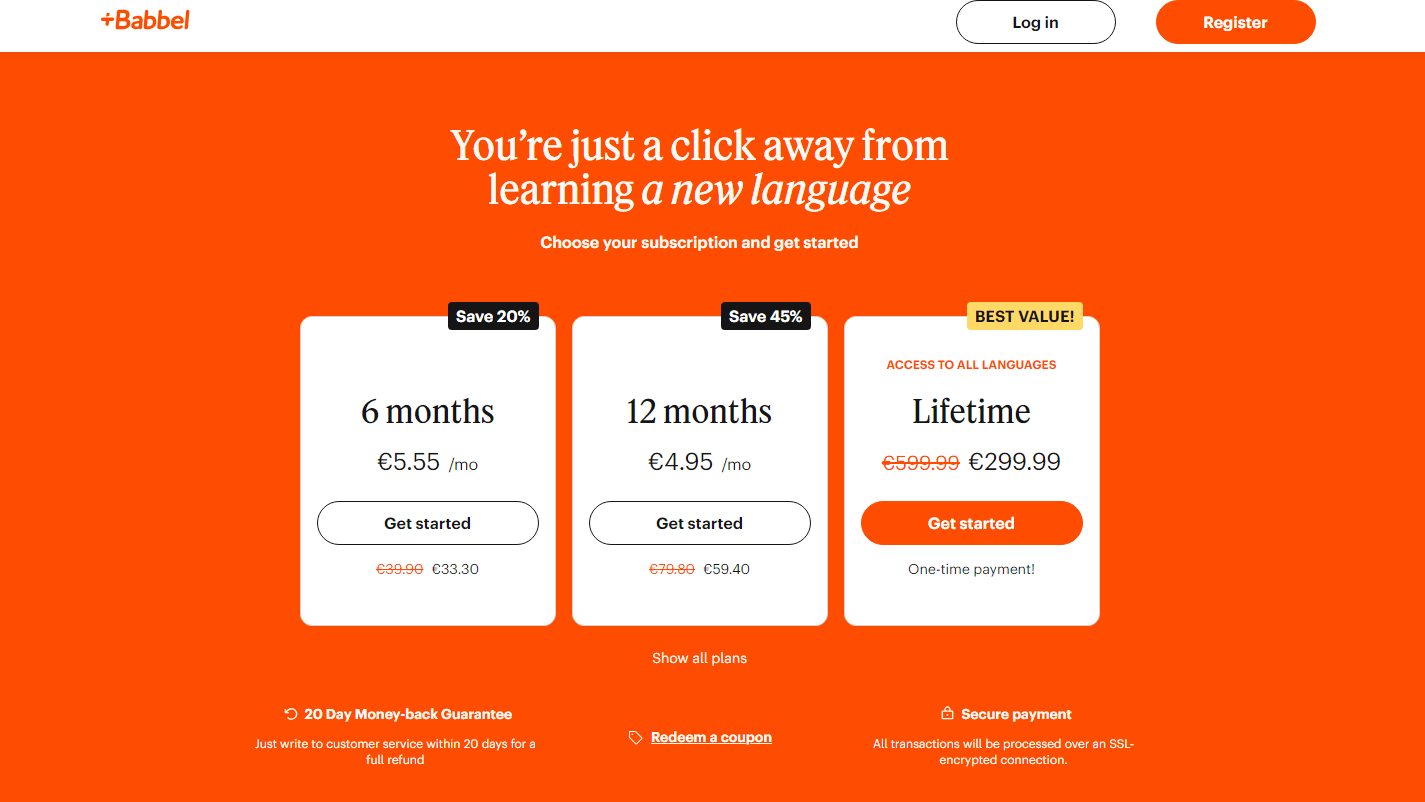
Babbel offers subscription plans with varying durations, providing full access to its courses but no free tier. Duolingo is free with optional in-app purchases and a premium plan for an ad-free experience and additional features.
Babbel
Duolingo
Ease of use
Babbel offers an intuitive interface with a straightforward lesson structure. Duolingo excels with its user-friendly design and interactive learning experience, making language acquisition enjoyable and simple for beginners.
Babbel
Duolingo
Integrations
Babbel integrates with mobile platforms and syncs progress across devices but lacks broader integrations. Duolingo integrates with Google Classroom, allowing educators to incorporate its lessons into their teaching curricula.
Babbel
Duolingo
Speech recognition
Babbel incorporates speech recognition to improve pronunciation and speaking skills. Duolingo also offers speech exercises but is sometimes less accurate in recognizing non-native accents compared to Babbel’s more advanced technology.
Babbel
Duolingo
Learning methodology
Babbel focuses on conversational language skills and grammar, providing structured lessons for practical use. Duolingo uses a gamified learning approach, encouraging daily practice with rewards and streaks to motivate learners.
Babbel
Duolingo
Course structure
Babbel’s courses are organized in levels and cater to different language proficiency stages. Duolingo’s courses are divided into skill trees, allowing learners to progress through topics at their own pace with bite-sized lessons.
Babbel
Duolingo
Positive reviews
Babbel is praised for its structured lessons and focus on conversational skills. Duolingo receives high marks for its gamified approach to language learning, making it engaging and accessible for users of all ages.
Babbel
Duolingo
Language offerings
Babbel offers a wide range of languages with a focus on European languages, providing in-depth courses. Duolingo provides an extensive selection of languages, including lesser-known and fictional languages like Klingon and High Valyrian.
Babbel
Duolingo
Customer support
Babbel provides responsive customer support via email and a detailed help center. Duolingo has limited direct support but offers a community forum and extensive FAQs for troubleshooting and user assistance.
Babbel
Duolingo
02 What's the difference between Babbel and Duolingo?
Babbel
Speak a language with confidence.

Duolingo
Duolingo is a popular language-learning platform offering engaging and interactive courses for learners of all ages. With its gamified approach, Duolingo makes language learning fun and effective, incorporating bite-sized lessons, quizzes, and exercises that cover vocabulary, grammar, and pronunciation.
Babbel and Duolingo stand out as leading language-learning apps, each offering unique features and methodologies to help users master new languages. However, when deciding which app best suits your needs, it's crucial to consider several key differences between them.
The primary distinction lies in their approach to language learning. Babbel offers a structured and curriculum-driven method, focusing on teaching grammar, vocabulary, and conversational skills through lessons designed by linguistic experts. Babbel's courses are tailored to specific language levels and are designed to build a solid foundation for users who prefer a traditional and thorough approach to language acquisition. The app provides real-life dialogues and cultural insights, helping users develop practical language skills.
In contrast, Duolingo takes a more gamified approach to language learning. It offers an interactive and engaging experience with bite-sized lessons and a rewards system that motivates users to maintain a consistent learning streak. Duolingo’s strength lies in its accessibility and the variety of languages it offers, making it an attractive option for casual learners and those looking to explore multiple languages simultaneously. Its lessons are designed to be quick and fun, emphasizing vocabulary and basic sentence structures through repetition and playful exercises.
Another key difference is in their pricing models. Babbel offers a subscription-based service with access to its full range of courses, while Duolingo provides a free version supported by ads, along with a premium subscription option that removes ads and offers additional features.
Finally, the learning objectives and flexibility of these platforms also differ. Babbel is ideal for learners seeking a comprehensive and focused curriculum with a clear progression path, whereas Duolingo is perfect for those who enjoy learning at their own pace in a game-like environment. Choosing between Babbel and Duolingo depends on your learning style, goals, and preferred approach to mastering a new language.

Babbel
Speak a language with confidence.
55% off for 1 year
Save up to $300
03 Babbel pros and cons
What are the advantages of Babbel?
- Structured curriculum: Babbel offers a well-organized, course-based curriculum designed by language experts. This structured approach provides clear learning paths, making it easier for users to track their progress and build upon previous lessons.

- Focus on grammar and practical use: The app emphasizes grammar and practical language usage, equipping learners with the skills needed to engage in real-life conversations. This focus helps users develop a solid understanding of the language's rules and structures.
- Cultural insights: Babbel includes cultural insights and real-life dialogues in its lessons, allowing learners to understand the context and nuances of the language. This feature enriches the learning experience by connecting language to culture.
- Variety of languages: Babbel offers courses in 14 different languages, including popular choices like Spanish, French, German, and Italian. This variety allows users to explore multiple languages within the same platform.
- Offline access: The app allows users to download lessons for offline access, making it convenient to continue learning without an internet connection, such as during travel or commutes.
What are the disadvantages of Babbel?
- Limited free content: Unlike some other language-learning apps, Babbel offers only a few free lessons. Users must subscribe to access the full range of courses and features, which may not suit those looking for entirely free options.

- Less gamification: Babbel lacks the gamified elements that make other apps, like Duolingo, highly engaging. The focus on traditional lessons may feel less entertaining for users who prefer a game-like learning experience.
- Fewer language options: While Babbel covers several major languages, it offers fewer language choices compared to some competitors, limiting options for users interested in less commonly taught languages.
- No speech recognition: Although Babbel provides pronunciation exercises, it does not offer advanced speech recognition technology to provide real-time feedback on pronunciation accuracy.
- Short trial period: The app's free trial period is limited, giving users less time to explore and evaluate its features before committing to a subscription. This might deter users who want to thoroughly test the app before purchasing.
Compare Babbel to other tools


Babbel vs Rosetta Stone

04 Duolingo pros and cons
What are the advantages of Duolingo?
- Gamified learning experience: Duolingo uses game-like elements such as points, levels, and streaks to make language learning fun and engaging. This approach helps motivate users to practice regularly and maintain consistent learning habits.
- Free access: Duolingo offers a comprehensive free version supported by ads, providing access to a wide range of languages and lessons without requiring a subscription. This makes it accessible to users with varying budgets.
- Wide range of languages: The app offers courses in over 30 languages, including less commonly taught languages like Irish, Welsh, and Swahili. This diversity allows users to explore various languages and cultures.
- Bite-sized lessons: Duolingo’s lessons are designed to be short and manageable, making it easy for users to fit learning into their daily routines. This format is ideal for busy learners who can dedicate only a few minutes at a time.
- Community and social features: Duolingo includes social features that allow users to follow friends, compete on leaderboards, and participate in discussions. These features help create a sense of community and encourage friendly competition.
What are the disadvantages of Duolingo?
- Limited depth and explanations: While Duolingo is excellent for beginners, it often lacks in-depth explanations and advanced content, which can be a drawback for learners seeking a comprehensive understanding of complex grammar and language nuances.
- Focus on translation: The app relies heavily on translation exercises, which may not always promote fluency or conversational skills. Users might find that they need additional resources to practice speaking and listening.
- Inconsistent course quality: The quality of courses can vary between languages, with some courses being more developed and thorough than others. This inconsistency may affect the learning experience for certain languages.
- Ads in free version: While the free version of Duolingo is accessible, it includes ads that can be disruptive to the learning experience. Users can remove ads by subscribing to Duolingo Plus, but this requires a paid subscription.
- Limited offline access: The offline access is restricted to certain features and requires a Duolingo Plus subscription. This limitation can be inconvenient for users who wish to learn without a constant internet connection.
05 Babbel compared to Duolingo
Babbel and Duolingo are two popular language-learning apps with distinct approaches. Babbel offers a structured, curriculum-driven experience designed by language experts, focusing on grammar, vocabulary, and practical conversation skills, making it ideal for learners seeking a comprehensive and methodical learning path.
In contrast, Duolingo provides a gamified experience with bite-sized lessons and interactive exercises, making it more engaging and accessible for casual learners. While Babbel requires a subscription for full access, it delivers in-depth courses and cultural insights, whereas Duolingo offers a free version supported by ads, making it more budget-friendly but with less depth in advanced language topics.
Is Babbel better than Duolingo?
 Is Babbel better than Duolingo?
Whether Babbel is better than Duolingo depends on the learner's needs and preferences. Babbel is superior for those who seek a structured, in-depth learning experience with a focus on grammar and practical conversation skills. It provides cultural insights and lessons tailored to learners' native languages, making it a comprehensive choice for serious learners.
In contrast, Duolingo's gamified approach and free access make it ideal for beginners and casual learners who enjoy engaging, interactive lessons. While Babbel offers more advanced content, Duolingo appeals to those who prefer a budget-friendly option with a wide range of languages to explore.
What is Babbel best used for?
Babbel is best used for learners who seek a structured and systematic approach to language learning. It excels in providing comprehensive lessons designed by language experts that focus on grammar, vocabulary, and conversational skills. Babbel's courses are tailored to specific language levels, offering real-life dialogues and cultural insights that help users develop practical language skills applicable to everyday situations.
The app is ideal for users who prefer a methodical learning path and are committed to progressing through a curriculum. Babbel’s focus on grammar and language fundamentals makes it a strong choice for learners aiming for a deep understanding of their target language.
Can Babbel replace Duolingo?
Babbel can potentially replace Duolingo for learners who prioritize a structured, in-depth approach to language learning. Unlike Duolingo's gamified and bite-sized lessons, Babbel offers a curriculum designed by language experts, emphasizing grammar, vocabulary, and practical conversation skills.
This makes Babbel suitable for learners seeking a comprehensive understanding of the language, with lessons tailored to various proficiency levels. However, Duolingo's engaging, game-like experience may be better suited for casual learners or those looking for a fun, flexible way to explore multiple languages.
Is Babbel cheaper than Duolingo?
Babbel and Duolingo have different pricing models, affecting their overall cost. Duolingo offers a free version supported by ads, making it an attractive option for budget-conscious learners. It also has a premium subscription, Duolingo Super, which removes ads and provides additional features.
In contrast, Babbel requires a paid subscription for full access to its courses, with pricing plans that vary based on the subscription length. While Babbel’s structured, expert-designed courses justify its cost, Duolingo's free version offers a more budget-friendly option. Duolingo can be cheaper for those who use its free version, whereas Babbel provides more depth for paid subscribers.
Is there a better Educational software than Babbel?
While Babbel offers an effective and structured approach to language learning, it is essential to consider alternative language-learning platforms to find the best match for your specific learning style and goals.
Notable alternatives to Babbel in the language-learning arena include Duolingo, Rosetta Stone, Pimsleur, and Memrise. Each platform offers unique features and approaches, catering to different preferences and needs.
Selecting the ideal language-learning software depends on factors such as your preferred learning style, language goals, budget, and the specific languages you wish to study. Babbel excels in providing comprehensive, grammar-focused lessons, but exploring these alternatives can offer valuable insights and help you make a well-informed decision that aligns perfectly with your language-learning objectives.
Babbel
Speak a language with confidence.
55% off for 1 year
Save up to $300
06 Duolingo compared to Babbel
Duolingo and Babbel are popular language-learning platforms, each catering to different learning styles. Duolingo offers a gamified approach with bite-sized lessons and interactive exercises, making it engaging and suitable for casual learners. Its free, ad-supported model provides broad access to many languages, appealing to budget-conscious users.
Babbel, on the other hand, offers a more structured curriculum designed by language experts, focusing on grammar, vocabulary, and real-life conversations. It requires a subscription, offering depth and cultural insights for learners seeking comprehensive language mastery.
Is Duolingo better than Babbel?
Determining if Duolingo is better than Babbel depends on individual learning preferences and goals. Duolingo excels in providing a fun, engaging learning experience through its gamified approach, making it particularly appealing to those who enjoy interactive exercises and short, manageable lessons. Its free access makes it an attractive option for budget-conscious learners and those wanting to explore multiple languages without financial commitment.
While Duolingo may lack the depth offered by Babbel, it is ideal for beginners and casual learners who appreciate a relaxed, playful approach to language study. Duolingo is better suited for those seeking a cost-effective, entertaining introduction to languages rather than an in-depth mastery.
What is Duolingo best used for?
Duolingo is best used for introducing learners to new languages through a fun, interactive, and accessible platform. Its gamified approach, with features like points, levels, and streaks, motivates users to practice regularly, making it ideal for casual learners and beginners. Duolingo's bite-sized lessons allow users to learn at their own pace, making it convenient for those with limited time.
The app offers a broad range of languages, including less commonly taught ones, making it suitable for those looking to explore multiple languages or seeking a supplementary tool alongside more comprehensive study methods. Duolingo excels at fostering consistent language practice and engagement.
Can Duolingo replace Babbel?
Duolingo can serve as an alternative to Babbel for language learners seeking a fun and flexible approach. However, it may not fully replace Babbel for those looking for a comprehensive, structured curriculum. Duolingo’s strengths lie in its gamified lessons and wide variety of languages, making it ideal for beginners and casual learners who enjoy interactive, bite-sized exercises.
In contrast, Babbel provides in-depth lessons with a focus on grammar and real-world conversation, catering to learners who desire a more systematic and detailed learning experience. Duolingo can complement Babbel but may not substitute for its depth and structure in language mastery.
Is Duolingo cheaper than Babbel?
Duolingo is generally cheaper than Babbel due to its free version, which offers extensive language-learning features supported by ads. This makes it an attractive option for budget-conscious learners who want to explore multiple languages without a financial commitment. Duolingo also offers a premium subscription, Duolingo Plus, which removes ads and adds some features but remains affordable.
In contrast, Babbel’s paid subscription gives access to its full range of structured courses, focusing on grammar and conversational skills. While Babbel provides a more comprehensive learning experience, Duolingo's cost-effective options make it a popular choice for those prioritizing affordability.
Is there a better Educational software than Duolingo?
While Duolingo offers a popular and engaging language-learning platform, exploring alternative language-learning software options is essential to ensure the best fit for your specific learning goals and preferences.
Notable alternatives to Duolingo include Babbel, Busuu, Mondly, and Coursera. Each platform provides unique features and approaches, catering to different learning styles and objectives.
The selection of the ideal language-learning software depends on factors such as your preferred learning method, desired depth of study, and language interests. If you prioritize a fun, gamified experience with wide language availability, Duolingo is a strong choice. However, exploring these alternatives can provide valuable insights and help you make an informed decision that aligns perfectly with your language-learning needs and aspirations.
07 Features comparison
Babbel Enriches Language Learning with Cultural Insights Beyond Duolingo's Offerings
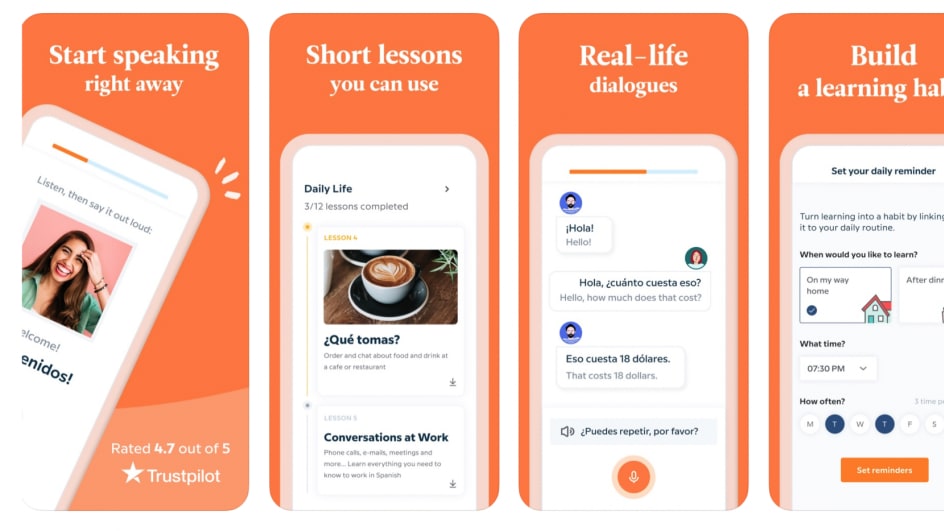
In addition to language instruction, Babbel provides cultural insights that enrich learners' understanding of a language's context, offering a more holistic learning experience. These insights include information about customs, traditions, and everyday life in regions where the language is spoken, which helps learners appreciate the nuances of the language beyond vocabulary and grammar. For example, Babbel might incorporate lessons on cultural etiquette, regional cuisine, or historical events relevant to the language, enabling learners to connect with the cultural identity of native speakers. This feature enhances the overall learning experience by providing learners with a deeper appreciation and understanding of the language and its cultural significance.
While Duolingo offers a wide range of languages and excels at making language learning fun and accessible, it does not emphasize cultural context to the same extent as Babbel. Duolingo’s focus is primarily on vocabulary acquisition and grammar through engaging, game-like exercises, which may not always provide the same depth of cultural understanding. Babbel's emphasis on cultural context makes it a preferred choice for learners who seek not only to learn a new language but also to immerse themselves in the culture and traditions of the people who speak it.
Duolingo’s Gamified Approach Outshines Babbel’s Structured Interface

In terms of ease of use, both Babbel and Duolingo offer user-friendly interfaces that cater to different learning preferences. Babbel provides a straightforward, structured layout that guides users through language courses with clear lessons and progression, making it ideal for those who prefer a traditional learning path. Each lesson is organized into a series of modules focusing on grammar, vocabulary, and conversational skills.
In contrast, Duolingo stands out with its gamified, playful approach to language learning. Its interface is designed to resemble a game, complete with levels, rewards, and streaks that motivate users to engage consistently. This approach makes Duolingo particularly appealing to casual learners and beginners who enjoy interactive exercises and want to explore language learning in a fun, engaging way. With its colorful design and intuitive navigation, Duolingo effectively captures the interest of learners of all ages, encouraging frequent practice.
Duolingo Leads Babbel in Educational Integration Capabilities
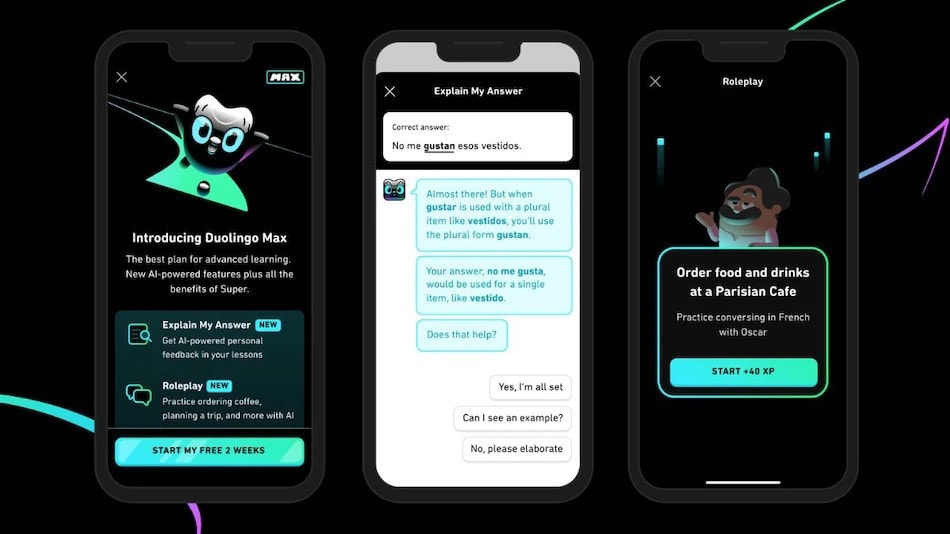
Comparing the integration possibilities, both Babbel and Duolingo are well-designed to sync across multiple devices, providing seamless on-the-go accessibility for users. This allows learners to switch between their phones, tablets, and computers without losing progress, making it convenient for consistent language practice. However, Duolingo has an edge due to its integration with educational tools like Google Classroom and Edmodo, and AI software like Chat-GPT for more efficient learning. These integrations make Duolingo a valuable resource for teachers who wish to incorporate digital language learning into their lesson plans.
By allowing educators to assign Duolingo exercises as part of the curriculum, these integrations help track student progress, making language learning more interactive and engaging in educational settings. In contrast, Babbel focuses more on individual learning without such direct classroom integration features, positioning Duolingo as a more versatile option for educational use.
Babbel and Duolingo Offer Seamless Multi-Device Learning Experiences
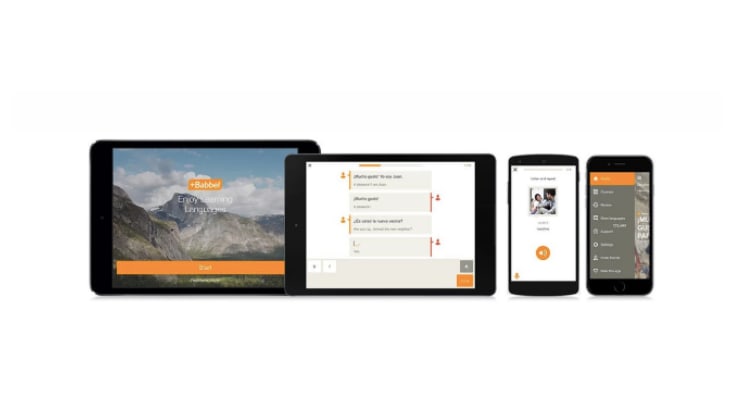
Duolingo and Babbel both excel in providing seamless lessons across various devices, including smartphones, tablets, and computers. This feature ensures a flexible and consistent learning experience, allowing users to continue their language studies anytime, anywhere, without losing progress. For instance, a learner can start a lesson on their phone during a commute, continue on a tablet during a lunch break, and finish on a computer at home, maintaining a smooth transition between sessions.
Both platforms sync progress automatically across devices, ensuring that users can pick up right where they left off. This multi-device compatibility is particularly beneficial for learners with busy schedules who need the convenience of accessing lessons whenever they have time. By offering this level of flexibility, Babbel and Duolingo make it easy for users to integrate language learning into their daily routines, regardless of which device they prefer to use. This feature is a significant advantage for both platforms, providing a user-friendly experience that meets the needs of modern, on-the-go learners.
Duolingo’s Gamification Keeps Learners More Engaged Than Babbel
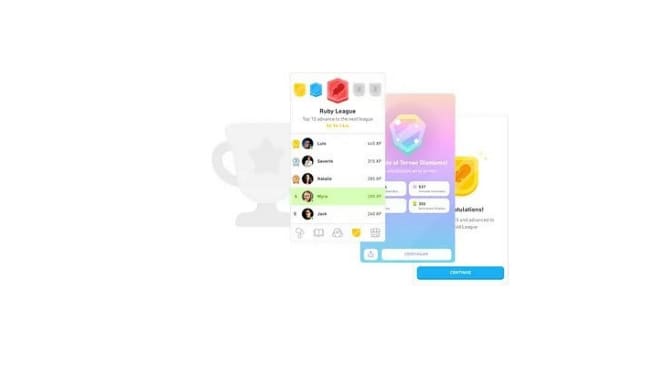
While both platforms ensure an engaging learning experience, Duolingo transforms language learning into a fun and interactive game with points, rewards, and streaks. This gamified approach keeps users highly engaged and motivated, appealing to those who enjoy interactive and competitive elements integrated into their study routine. For instance, users earn points for completing lessons, unlock new levels, and can compete with friends on leaderboards, making the process more dynamic and enjoyable.
Duolingo’s approach is particularly effective for maintaining user interest and encouraging consistent practice. In contrast, Babbel offers a more traditional, structured learning experience with in-depth lessons and real-life dialogues, which, while effective, may not provide the same level of excitement and motivation for learners who thrive on competition and game-like elements. Duolingo’s ability to turn learning into a playful experience makes it a preferred choice for many, especially younger learners and those new to language study.
Babbel's Practical Dialogue Training Surpasses Duolingo’s Speaking Tasks

Babbel emphasizes practical conversational skills through realistic dialogues and everyday situations, preparing learners to effectively use their new language in real-life scenarios. For instance, Babbel’s lessons might involve ordering food in a restaurant, asking for directions, or conducting a business meeting, providing users with the vocabulary and grammar needed to navigate these interactions confidently. This unique approach helps learners develop practical communication skills that are immediately applicable in everyday life.
While Duolingo also incorporates speaking tasks and pronunciation exercises, its focus is more on vocabulary and sentence structure through gamified lessons. Duolingo’s exercises often consist of translating sentences and matching words, which, while effective for building basic language skills, may not emphasize conversational application to the same extent as Babbel. This emphasis on real-world dialogue and interaction sets Babbel apart, making it a preferred choice for learners who want to gain confidence and proficiency in speaking the language naturally in various social and professional contexts.
Babbel's Tailored Instruction Surpasses Duolingo's Personalization
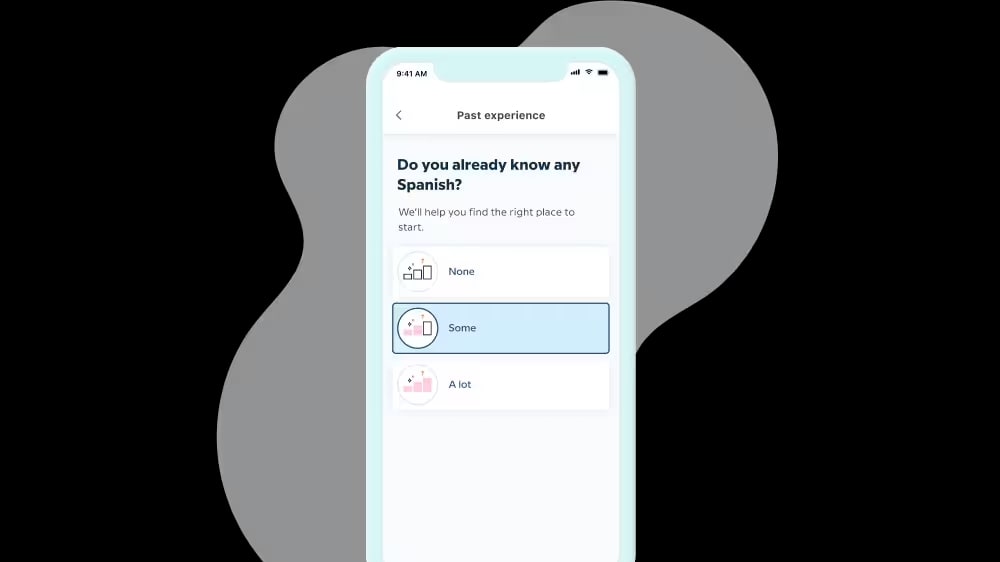
Both Babbel and Duolingo offer personalized learning paths based on user proficiency levels, allowing learners to start at a level that matches their current knowledge. However, Babbel takes personalization a step further by adjusting its courses according to the learner's native language. This feature creates a more efficient learning experience tailored to specific needs and preferences. For example, Babbel’s Spanish course for English speakers might emphasize different aspects than its Spanish course for French speakers, considering the linguistic similarities and differences between these languages. This allows for more targeted and relevant instruction, addressing unique challenges learners might face based on their native language.
Babbel’s ability to adapt its content makes it superior in providing personalized experiences, ensuring that learners receive the most appropriate and effective guidance on their language-learning journey. Duolingo, while offering adaptive learning paths, does not yet incorporate this level of detailed customization, making Babbel the preferred choice for those seeking a more individualized approach.
08 Babbel vs Duolingo: Which is the best for your business?
Babbel is the best tool for you if:
- You prefer structured lessons designed by language experts that focus on grammar, vocabulary, and conversation skills, providing a clear and systematic learning path for building language proficiency.
- You want to understand cultural contexts through lessons that incorporate customs and traditions, enhancing your appreciation and understanding of the language beyond its basic structure.
- You seek practical, real-world conversation practice through realistic dialogues and scenarios that prepare you to confidently use the language in everyday situations and interactions.
- You prefer a more comprehensive learning experience with lessons tailored to your native language, offering targeted instruction that addresses specific challenges you might encounter.
- You are willing to invest in a subscription-based service that offers in-depth courses and offline access to lessons, providing flexibility and convenience for consistent language learning on the go.
 You prefer structured lessons designed by language experts that focus on grammar, vocabulary, and conversation skills, providing a clear and systematic learning path for building language proficiency.
Duolingo is the best tool for you if:
- You enjoy a gamified learning experience with engaging features like points, levels, and streaks that make language study fun and encourage consistent practice through interactive exercises.
- You want a budget-friendly language-learning option with a comprehensive free version supported by ads, allowing you to explore multiple languages without any financial commitment.
- You prefer short, bite-sized lessons that can be easily integrated into a busy schedule, making it convenient to learn a language at your own pace anytime, anywhere.
- You appreciate a wide selection of languages, including popular and less commonly taught ones, offering the flexibility to explore different languages and cultures simultaneously.
- You value seamless integration with educational tools like Google Classroom, making it a useful resource for teachers who wish to incorporate language learning into their classroom curriculum.
Babbel
Speak a language with confidence.
55% off for 1 year
Save up to $300
09 Alternatives to Babbel & Duolingo

Pimsleur

Coursera

Rosetta Stone
10 Promotions on Educational software
Babbel and Duolingo are great tools, but Secret offers promo codes with discounts on over 2190+ different SaaS solutions. New deals are added regularly, helping you save money on your online subscriptions. Get access to codes for other Educational software you might want to purchase

Headway discount code
51% off Personal plans for 1 year

Promo code for Skillshare
First month free

Blinkist discounts
25% off annual plans for 1 year

Promo code for DataCamp
25% off the Teams plan for 1 year

Credits for FutureLearn
30% off Unlimited for Teams annual subscriptions

Promo code LearnWorlds
First month free + 20% off annual plans

Wilco promo code
25% off the first year of an annual plan

Discount for Thinkific
30-day free trial on all plans

Trainual promotion
10% off for 1 year

Trainn coupon
50% off up to 1 year.
Start saving on the best SaaS
Secret has already helped tens of thousands of startups save millions on the best SaaS like Microsoft Teams, Google Workspace & many more. Join Secret now to buy software the smart way.