


Effectively managing cloud computing resources and selecting the right platform for your business needs are essential for modern enterprises. Cloud service providers offer a range of solutions to help you deploy and scale your applications, but choosing between them can be a daunting task.
In this comprehensive comparison, we will examine Scaleway vs Microsoft for Startups, two major players in the cloud computing industry. We will delve into their key features and offerings, highlighting how each platform caters to various business requirements. Whether you run a startup, a growing business, or a large corporation, this article aims to assist you in making an informed decision about your cloud computing infrastructure.
- 01 Scaleway vs Microsoft for Startups: overview
- 02 What's the difference between Scaleway and Microsoft for Startups?
- 03 Scaleway pros and cons
- 04 Microsoft for Startups pros and cons
- 05 Scaleway compared to Microsoft for Startups
- 06 Microsoft for Startups compared to Scaleway
- 07 Features comparison
- 08 Scaleway vs Microsoft for Startups: Which is the best for your business?
- 09 Alternatives to Scaleway & Microsoft for Startups
- 10 Promotions on Cloud Computing software
Start saving on the best SaaS
Secret has already helped tens of thousands of startups save millions on the best SaaS like Microsoft Teams, Google Workspace & many more. Join Secret now to buy software the smart way.

01 Scaleway vs Microsoft for Startups: overview
Scaleway and Microsoft for Startups are two major contenders in the realm of cloud computing and infrastructure services, each offering a distinctive array of features and capabilities.
Scaleway distinguishes itself with its developer-centric approach and simplified cloud management. It provides users with a user-friendly platform for deploying virtual machines, scaling applications, and managing cloud resources efficiently. On the other hand, Microsoft Azure offers a comprehensive suite of cloud services, catering to businesses of all sizes, from startups to large enterprises. Azure's offerings include virtual machines, container orchestration, machine learning, and a wide range of integrated services for building and deploying applications in the cloud.
Now, let's dive into the Scaleway vs. Microsoft for Startups comparison to help you make an informed decision about selecting the right cloud computing and infrastructure solution tailored to your specific business requirements.

Networking capabilities
Scaleway provides essential networking tools, but Azure's networking capabilities are more extensive and include advanced options, resulting in a higher rating.

Scaleway
Microsoft for Startups
Storage options
Both platforms offer versatile storage options, including object storage, file storage, and more.
Scaleway
Microsoft for Startups
Global data centers
Scaleway offers a decent geographical presence, while Azure's vast network of data centers around the world provides unparalleled coverage, earning it a higher rating.
Scaleway
Microsoft for Startups
Virtual Machines (VM)
Scaleway offers a solid VM experience, however Azure's offering is more comprehensive, with a wider variety of VM types, configurations, and management features, earning it a higher rating.
Scaleway
Microsoft for Startups
Scalability
While Scaleway provides good scalability, Microsoft for Startup's extensive range of services and global data centers earns it a higher rating, making it particularly suitable for large enterprises with diverse growth needs.
Scaleway
Microsoft for Startups
Customer Reviews
Both Scaleway and Microsoft for Startups shine with positive reviews for their simplicity and affordability offered to a large range of businesses.
Scaleway
Microsoft for Startups
Pricing Plan
While Scaleway’s pricing is more simple and affordable, Microsoft for Startup's pricing could potentially be more complex with a larger range of services available.
Scaleway
Microsoft for Startups
Customer Support
Both platforms offer email, help desk and live chat support to users, Scaleway going one step further with phone support for its users.
Scaleway
Microsoft for Startups
Ease of use
Scaleway’s ease of use shines through its simplicity and accessibility, making it a great fit for users looking for a straightforward experience, while Microsoft Azure may involve a steeper learning curve.
Scaleway
Microsoft for Startups
Integrations
Microsoft for Startups offers an extensive array of 1,000+ third-party integrations with tools like Miro, Kissflow, Dropbox and Wrike. Scaleway integrations are designed to offer more essential connections.
Scaleway
Microsoft for Startups
02 What's the difference between Scaleway and Microsoft for Startups?

Scaleway's Virtual Instances Pricing Calculator for an Estimated Cost of Your Plan
Scaleway
Cloud computing for entrepreneurs by entrepreneurs

A Selection of Microsoft Azure's Products Available for You to Choose From and Build Your Own Pricing
Microsoft for Startups
With its Startups program, Microsoft gives a boost to startups by offering them free Azure cloud credits.
While Scaleway and Microsoft Azure both offer cloud computing and infrastructure services, they have several key differences that distinguish their focus and capabilities. The primary distinction lies in their approach to cloud computing.
Scaleway is known for its developer-friendly approach and streamlined cloud management. It prioritizes simplicity and efficiency in deploying virtual machines, managing applications, and handling cloud resources. Scaleway's emphasis on providing a straightforward and accessible cloud platform is well-suited for startups and small to medium-sized businesses looking for hassle-free cloud solutions.
On the other hand, Microsoft Azure offers a comprehensive suite of cloud services that cater to a wide range of businesses, from startups to large enterprises. Azure provides an extensive array of services, including virtual machines, container orchestration, machine learning, and a vast ecosystem of integrated tools for building and deploying applications in the cloud. Azure's strength lies in its versatility and scalability, making it an ideal choice for enterprises with complex infrastructure needs.
Another crucial difference between Scaleway and Microsoft Azure is their pricing models and offerings. Scaleway is known for its transparent and straightforward pricing, with a focus on providing cost-effective solutions. In contrast, Microsoft Azure offers a wide range of pricing options, including pay-as-you-go, reserved instances, and enterprise agreements, catering to businesses with varying budget and usage requirements.
Additional distinctions can be found in various features and capabilities. For instance, Azure provides extensive support for hybrid cloud deployments, seamless integration with other Microsoft services, and a global network of data centers, ensuring high availability and scalability. Scaleway, on the other hand, offers a more streamlined and focused set of services, with an emphasis on simplicity and ease of use.

Microsoft for Startups
Premium
Growth assistance program for startups
$5,000 credit for 6 months
Save up to $5,000
03 Scaleway pros and cons
What are the advantages of Scaleway?
- Cost-effective: Scaleway is known for its competitive pricing, making it an attractive option for startups and small businesses with limited budgets.

- Simplicity and ease of use: The platform offers a user-friendly interface and straightforward setup process, making it accessible even for users with limited technical expertise.
- Performance and scalability: Scaleway provides good performance and scalability, allowing businesses to easily scale their resources as their needs grow.
- Versatile service offerings: Scaleway offers a variety of cloud services, including virtual machines, storage, databases, and more, catering to a range of business needs.
- European data centers: Scaleway has a strong presence in Europe, which can be advantageous for businesses with data residency and compliance requirements in the region.
What are the disadvantages of Scaleway?
- Limited global presence: While Scaleway has a presence in Europe, its global data center coverage is not as extensive as some other major cloud providers, potentially limiting options for businesses with international operations.

- Service variety: While Scaleway offers a good range of services, it may have fewer specialized options compared to larger cloud providers like AWS or Azure.
- Customer support: Some users have reported mixed experiences with customer support, citing occasional delays in response and resolution.
- Advanced features: Scaleway might lack some of the advanced features and capabilities offered by larger cloud providers, which could impact businesses with complex infrastructure requirements.
- Third-party integrations: Scaleway's integration options with certain third-party tools and services might be more limited compared to larger cloud providers.
Compare Scaleway to other tools


Scaleway vs AWS Activate


Scaleway vs OVHcloud

Scaleway vs DigitalOcean
04 Microsoft for Startups pros and cons
What are the advantages of Microsoft for Startups?
- Comprehensive service offering: Microsoft for Startups offers an extensive range of Azure services, from virtual machines and databases to AI, analytics, and IoT solutions, providing businesses with a wide array of tools to meet their diverse needs.
- Global data center network: Azure boasts a vast network of data centers across the globe, ensuring reliable performance, low-latency, and compliance with data residency requirements in various regions.
- Integration with Microsoft ecosystem: Azure seamlessly integrates with other Microsoft products like Windows Server, Active Directory, and Office 365, making it an attractive choice for businesses already invested in the Microsoft ecosystem.
- Enterprise-grade security and compliance: Microsoft for Startups provides robust security features, compliance certifications, and advanced identity and access management tools, catering to the security and compliance needs of large enterprises.
- Scalability and flexibility: Azure's scalability is unmatched, allowing businesses to scale resources up or down quickly based on demand, making it suitable for businesses with fluctuating workloads.
What are the disadvantages of Microsoft for Startups?
- Complex pricing: Azure's pricing model can be complex due to its wide range of services and various pricing options, which might require careful monitoring and management to avoid unexpected costs.
- Learning curve: Given the platform's breadth and depth, there can be a learning curve for users who are new to cloud computing, particularly for those seeking to leverage its more advanced features.
- Support experience: While Microsoft for Startups offers different levels of support, some users have reported mixed experiences with customer support, citing occasional delays in response and resolution.
- Cost for small businesses: While Azure can be cost-effective for large enterprises with significant resource needs, smaller businesses may find it relatively more expensive, especially if they require only basic cloud services.
- Vendor lock-in concerns: As Azure integrates deeply with Microsoft products, there might be concerns about vendor lock-in for businesses that rely heavily on the Azure ecosystem.
Compare Microsoft for Startups to other tools


Microsoft for Startups vs IBM Cloud
05 Scaleway compared to Microsoft for Startups
When comparing Scaleway and Microsoft Azure, Scaleway stands out with its developer-friendly approach and straightforward cloud management. It is designed to provide users with a hassle-free experience in deploying virtual machines, managing cloud resources, and scaling applications efficiently. Scaleway's strength lies in its simplicity and accessibility, making it a suitable choice for businesses seeking a user-friendly cloud platform.
The choice between Scaleway and Microsoft Azure depends on the complexity of your cloud computing requirements and your preference for pricing models. Scaleway offers transparent and cost-effective pricing, catering to startups and small to medium-sized businesses. In contrast, Microsoft Azure provides a comprehensive suite of cloud services, particularly through the Microsoft for Startups program, including advanced capabilities for enterprises with complex infrastructure needs.
Is Scaleway better than Microsoft for Startups?
 Is Scaleway better than Microsoft for Startups?
Determining whether Scaleway is better than Azure depends on your specific cloud computing needs and business requirements. Scaleway is known for its user-friendly approach and simplified cloud management, making it an excellent choice for startups and small to medium-sized businesses seeking straightforward cloud solutions. It prioritizes ease of use and cost-effectiveness.
On the other hand, Azure offers a comprehensive range of cloud services, catering to a wide spectrum of businesses, from startups to large enterprises. The choice between Scaleway and Microsoft for Startups depends on factors such as the complexity of your cloud infrastructure, budget considerations, scalability requirements, and the level of customization and integration your business demands.
What is Scaleway best used for?
Scaleway is best used for cloud computing and infrastructure needs, particularly for businesses looking for a user-friendly and cost-effective solution. It excels in simplifying cloud management, making it an ideal choice for startups, small to medium-sized businesses, and developers seeking straightforward cloud services.
Scaleway's key strengths lie in its ease of use and affordability. It is well-suited for deploying virtual machines, managing cloud resources, and scaling applications with simplicity. This makes it an excellent option for businesses that prioritize efficiency and budget-conscious cloud solutions.
Whether you need a cloud platform for web hosting, application development, or other computing needs, Scaleway is a valuable tool for businesses seeking a hassle-free and accessible cloud computing experience.
Can Scaleway replace Microsoft for Startups?
Whether Scaleway can replace Azure depends on your specific cloud computing requirements and the scale of your business operations. Scaleway is known for its user-friendly approach and cost-effective cloud services, making it a suitable choice for startups and small to medium-sized businesses looking for straightforward cloud solutions.
Azure, on the other hand, provides extensive scalability, a diverse set of integrated tools, and support for complex infrastructure requirements. The decision to replace Azure with Scaleway hinges on factors such as the complexity of your cloud infrastructure, program availability, budget considerations, scalability requirements, and the level of customization and integration your business demands.
Is Scaleway cheaper than Microsoft for Startups?
When comparing Scaleway's pricing and Azure, it's important to note distinct differences in their approaches. Scaleway typically offers a more cost-effective pricing structure for businesses, often allowing users to pay for specific resources and features they require. This flexibility can be advantageous for companies looking to align their cloud expenses with their actual needs, potentially resulting in cost savings.
On the other hand, Azure’s pricing model may become more expensive as your cloud requirements grow. While Azure provides a range of services and credit options through Microsoft for Startups, accessing advanced features and scaling up can lead to higher costs. When considering whether Scaleway is cheaper than Azure, it's crucial to assess your organization's cloud computing needs and budget constraints to determine which platform aligns better with your cost-effective cloud strategy.
Is there a better Cloud Computing software than Scaleway?
While Scaleway provides valuable cloud computing services, it's essential to explore whether there might be a more suitable cloud computing software for your specific requirements.
Several noteworthy alternatives to Scaleway in the cloud computing and infrastructure space include Microsoft Azure, Amazon Web Services (AWS), Google Cloud Platform (GCP), and DigitalOcean.
The choice of cloud computing software depends on your organization's distinct needs, budget considerations, and the complexity of your cloud infrastructure. While Scaleway offers simplicity and cost-effectiveness, other platforms may provide a broader range of services, specialized solutions, or enterprise-grade features that better align with your cloud computing objectives.
06 Microsoft for Startups compared to Scaleway
Microsoft for Startups differentiates itself with its comprehensive array of cloud computing and infrastructure services, making it a compelling choice for organizations seeking a versatile and scalable cloud platform. Azure offers a variety of free credits and pricing options, including pay-as-you-go, reserved instances, and enterprise agreements, accommodating users with diverse cloud computing needs and budget constraints.
While both Microsoft Azure and Scaleway excel in providing cloud solutions, the choice between the two depends on your specific cloud computing requirements. Microsoft for Startups offers a wide spectrum of services and a global network of data centers, making it suitable for businesses aiming to scale globally and leverage a diverse set of integrated tools. It's ideal for those looking to address complex infrastructure needs and seamlessly integrate with other Microsoft services, enhancing their cloud capabilities and overall business operations.
Is Microsoft for Startups better than Scaleway?
Determining whether Azure is better than Scaleway hinges on your organization's specific cloud computing needs and objectives. Microsoft for Startups is known for its startup program, extensive range of cloud services and global infrastructure, making it a suitable choice for businesses with diverse and complex requirements. If you prioritize scalability, versatility, and seamless integration with other Microsoft services, Azure may be the preferred choice.
However, it's crucial to consider that Scaleway offers simplicity and cost-effectiveness, which can be advantageous for startups and small to medium-sized businesses seeking straightforward cloud solutions. If your primary focus is on user-friendly cloud management and budget-conscious cloud services, Scaleway remains a compelling option for your cloud computing needs.
What is Microsoft for Startups best used for?
Azure is a versatile and robust cloud computing platform, ideal for businesses seeking comprehensive cloud solutions. It excels in providing infrastructure, platform, and software services. Azure's Infrastructure-as-a-Service (IaaS) capabilities allow seamless migration to the cloud or dynamic infrastructure scaling. In the Platform-as-a-Service (PaaS) realm, it supports diverse programming languages and frameworks, making it ideal for efficient application development and deployment.
Azure's Software-as-a-Service (SaaS) offerings, like Azure Active Directory and Office 365, enhance productivity and collaboration. In addition, Microsoft for Startups, a global program built on the Azure platform, extends these capabilities to early-stage companies by offering free Azure credits, technical mentorship, and go-to-market support. With hybrid cloud features and data services, Azure is perfect for big data analytics, machine learning, and AI, enabling data-driven insights for businesses.
Can Microsoft for Startups replace Scaleway?
Determining whether Microsoft for Startups can effectively replace Scaleway hinges on your organization's specific cloud computing needs and infrastructure requirements. Microsoft Azure is a robust cloud platform known for its versatility and scalability, offering a wide range of cloud services and solutions.
Azure's capabilities extend beyond those of Scaleway, making it suitable for organizations with diverse and complex cloud requirements. If you require advanced services, global scalability, and integrated solutions across various cloud-related aspects, Microsoft Azure may be a preferable choice, especially considering Microsoft for Startups's credit program.
However, it's essential to consider your specific needs, budget constraints, and the level of complexity required for your cloud infrastructure. Scaleway offers simplicity and cost-effectiveness, which can be advantageous for startups and small to medium-sized businesses seeking straightforward cloud solutions. If your primary focus is on user-friendly cloud management and budget-conscious cloud services, Scaleway may continue to meet your organization's needs effectively.
Is Microsoft for Startups cheaper than Scaleway?
When comparing the cost of Microsoft for Startups and Scaleway, it's essential to consider the differences in their pricing models and how they align with your organization's specific cloud computing needs.
Azure offers a variety of pricing options, including pay-as-you-go, reserved instances, and enterprise agreements, providing flexibility for users with varying cloud requirements and budget constraints. For startups, the Microsoft for Startups program helps ease these costs by offering free Azure credits, technical mentorship, and business support, allowing early-stage companies to leverage Azure’s infrastructure at minimal initial expense.
In contrast, Scaleway often provides a more straightforward and cost-effective pricing structure, making it an attractive option for startups and small to medium-sized businesses seeking budget-conscious cloud solutions. Scaleway's focus on user-friendly cloud management may result in cost savings for organizations looking to optimize their cloud expenses based on their actual usage.
Is there a better Cloud And Data Management software than Microsoft for Startups?
While Microsoft Azure is a comprehensive and versatile cloud computing platform, it's important to explore whether there might be a more suitable cloud computing software solution for your organization's specific cloud-related needs.
Several noteworthy alternatives to Azure in the cloud computing space include Amazon Web Services (AWS), Google Cloud Platform (GCP), IBM Cloud, and Oracle Cloud.
The choice of cloud computing software should align with your unique objectives, budget, and the complexity of your cloud infrastructure. While Azure offers a wide range of services and integrates seamlessly with other Microsoft products, other cloud platforms may provide more specialized solutions, industry-specific tools, or pricing models that better match your organization's cloud computing strategy and goals.
Microsoft for Startups
Premium
Growth assistance program for startups
$5,000 credit for 6 months
Save up to $5,000
07 Features comparison
Scaleway Excels Ahead of Microsoft Azure in Swift Server Deployment

Scaleway excels in rapid server deployment
Scaleway excels in rapid server deployment, surpassing Microsoft for Startups in this aspect. Its intuitive interface simplifies the server setup process, enabling entrepreneurs to activate servers within seconds, offering swift solutions.
On the other hand, Azure also offers server solutions, but the deployment process can be more time-consuming and complex. For instance, a burgeoning gaming startup can quickly establish multiplayer servers using Scaleway, while a multinational finance corporation requiring intricate server configurations may opt for Azure.
Therefore, for ventures prioritizing speedy server launches, Scaleway stands out by providing agile solutions with minimal time investment. This sets it apart from Azure, which may involve a potentially more time-consuming and intricate deployment process.
Scaleway and Microsoft for Startups are Even in Scalable Storage and Backup
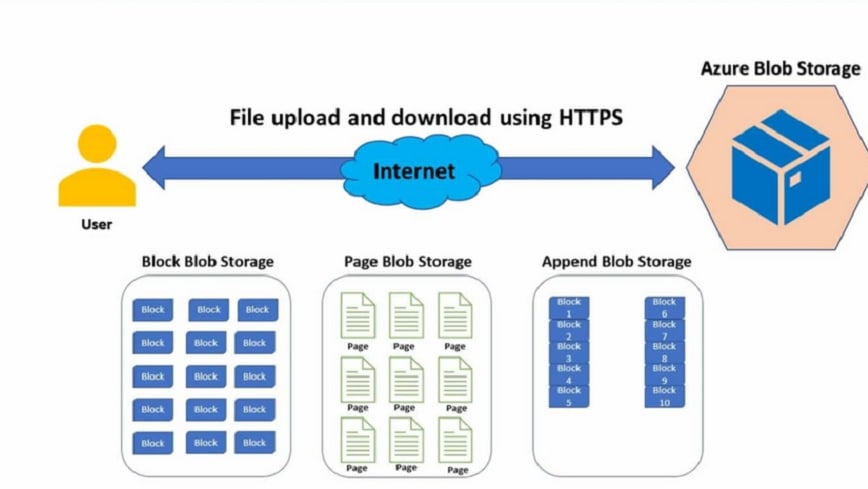
Microsoft Azure offers scalable Blob storage, catering to extensive unstructured data requirements.
Scaleway and Microsoft for Startups are evenly matched in the domain of scalable storage and disaster recovery. Scaleway's object storage provides a seamless solution for storing vast datasets without compromising performance.
On the other hand, Microsoft Azure offers scalable Blob storage, catering to extensive unstructured data requirements. Both platforms also offer robust disaster recovery mechanisms, ensuring constant data security.
For instance, a multimedia production company might use Scaleway's object storage for storing and managing media assets, while an e-commerce enterprise could leverage Azure's Blob storage for product images.
Microsoft for Startups Takes the Lead Over Scaleway with its AI Proficiency

Microsoft Azure leads the way with its formidable artificial intelligence (AI) capabilities, offering a comprehensive suite of potent AI tools that include Machine Learning, Knowledge Mining, and Cognitive Services.
Microsoft for Startups leads the way with Azure's formidable artificial intelligence (AI) capabilities, offering a comprehensive suite of potent AI tools that include Machine Learning, Knowledge Mining, and Cognitive Services. These empowering features enable enterprises to extract insights, predict outcomes, and enhance application perception.
In contrast, Scaleway lacks these advanced AI capabilities, putting it at a disadvantage. For instance, a healthcare startup could leverage Azure's AI to improve diagnostic accuracy, while the absence of such advanced functionalities in Scaleway might impede similar progress.
As a result, Azure's robust AI arsenal solidifies its position as the superior choice for AI-driven innovation, underscoring its dominance over Scaleway in the realm of advanced artificial intelligence capabilities.
Microsoft for Startups Outshines Scaleway in Virtual Machine Deployment

Azure empowers users with an array of advanced features, including auto-scaling, extensive customization, and integration options.
When it comes to virtual machine deployment, Microsoft for Startups stands out as a leader, surpassing even Scaleway in providing an elevated level of excellence.
Both platforms excel in delivering substantial solutions for this aspect, but Azure offers a broader scope of offerings. Azure empowers users with an array of advanced features, including auto-scaling, extensive customization, and integration options. For instance, a data-driven startup can harness Azure to deploy scalable virtual machines for real-time analytics processing.
While both platforms have their strengths, Azure's versatile capabilities give it the upper hand in virtual machine deployment, making it the preferred choice for organizations seeking advanced and flexible virtualization solutions.
Microsoft Azure is Superior in Modern Application Development Compared to Scaleway

Microsoft Azure outperforms Scaleway in contemporary application development.
Microsoft for Startups outperforms Scaleway in contemporary application development. Azure boasts a wide range of application building tools and services that enable developers to efficiently create, manage, and expand cross-platform applications. Its integrated environment streamlines the development, debugging, and deployment process, a feature not found in Scaleway.
This efficiency saves time and resources, making Azure the preferred choice for modern application development. A startup, for instance, can leverage Azure's tools to build its own app, while the absence of such a comprehensive suite in Scaleway might hinder the development process. Therefore, Azure's robust capabilities establish it as the superior choice for pioneering software solutions.
Scaleway has the Edge with its User-Friendly Interface

Scaleway's user-centric design makes it easy for non-technical entrepreneurs to manage cloud services.
Scaleway excels with its user-friendly interface, ideal for beginners and experts alike. In contrast, Microsoft Azure, while powerful, has a steeper learning curve due to its abundance of features.
For startups, simplicity is crucial. Scaleway's user-centric design makes it easy for non-technical entrepreneurs to manage cloud services. A local tutoring startup can efficiently use Scaleway, while a multinational corporation might opt for Azure's advanced tools. The choice hinges on aligning user-friendliness with your business's unique journey. Both platforms offer strengths, but Scaleway's accessible format suits startups, while Microsoft Azure's complexity caters to larger enterprises.
Microsoft Azure Embraces a Wider Scope of Integrations
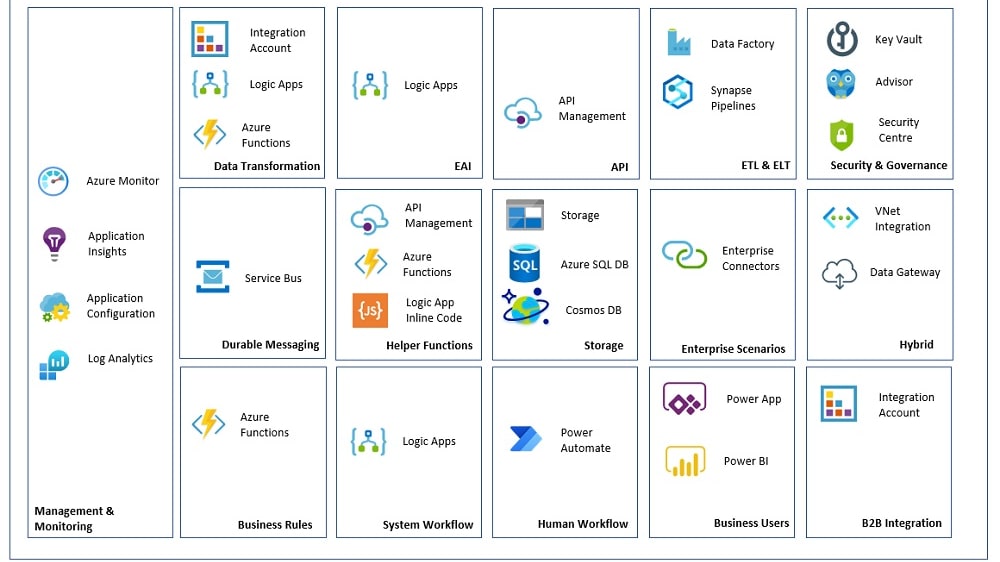
Azure's comprehensive ecosystem seamlessly integrates with numerous Microsoft products and popular third-party applications like Salesforce, Adobe Creative Cloud, and Hubspot.
In the realm of integrations, Microsoft for Startups stands out as the leader, offering an extensive array of connectivity options. Azure's comprehensive ecosystem seamlessly integrates with numerous Microsoft products and popular third-party applications like Salesforce, Adobe Creative Cloud, and Hubspot. This convergence simplifies software consolidation, streamlining operations, and significantly enhancing efficiency.
On the other hand, Scaleway provides integration possibilities, though not as extensive as Azure's. While Scaleway caters to fundamental integration needs, those requiring intricate third-party application linkage may find Azure's capabilities better suited. For instance, a multinational conglomerate can effortlessly harmonize diverse software tools using Azure, while a local boutique might benefit from Scaleway's basic integrations.
08 Scaleway vs Microsoft for Startups: Which is the best for your business?
Scaleway is the best tool for you if:
- Your organization demands cloud hosting solutions that can effortlessly scale to accommodate evolving needs while remaining cost-effective in the long term.
- Your business necessitates top-tier, high-performance, dedicated servers that are purpose-built to support mission-critical applications and processes with unwavering reliability.
- You aspire to access a comprehensive spectrum of cloud services, encompassing versatile storage options, sophisticated orchestration via Kubernetes clusters, and an array of solutions to suit varied requirements.
- You prioritize a user-friendly platform characterized by its intuitive design and transparent pricing models, simplifying decision-making and resource management.
- You are in search of a cloud service provider that demonstrates an unwavering commitment to fortifying data security measures and upholding data sovereignty principles, ensuring utmost protection and compliance.
 Your organization demands cloud hosting solutions that can effortlessly scale to accommodate evolving needs while remaining cost-effective in the long term.
Microsoft for Startups is the best tool for you if:
- Your enterprise demands a highly resilient, globally distributed cloud platform that can effortlessly host applications and services on a massive scale while ensuring uninterrupted performance.
- Your organization requires an extensive array of cloud services spanning from versatile virtual machines to cutting-edge AI and IoT solutions to cater to diverse operational needs.
- You place a premium on hybrid cloud capabilities, allowing for the seamless integration of cloud resources with your existing on-premises infrastructure, ensuring a cohesive and efficient IT environment.
- Your business seeks robust enterprise-grade security features and a comprehensive suite of compliance options to safeguard data and meet regulatory requirements with unwavering commitment.
- You highly appreciate a sprawling and interconnected ecosystem of partners, tools, and resources that empower you to build, deploy, and manage your cloud solutions effectively and innovatively.
Microsoft for Startups
Premium
Growth assistance program for startups
$5,000 credit for 6 months
Save up to $5,000
09 Alternatives to Scaleway & Microsoft for Startups

Google Cloud (GCP)
Used by 11670 members
$2,000 in credits for 1 year if you never raised funds // $350,000 in credits for 2 years if you did
Save up to $350,000

AWS Activate
Used by 6195 members
Up to $100,000 in credits or 20-50% off your monthly spend through an AWS partner (must be spending $100+/month)
Save up to $300,000

Hostinger
Used by 1799 members
Additional 10% off on all 12/24/48-monthly plan purchases
Save up to $144

OVHcloud
Used by 1727 members
€10,000 in credits for 1 year
Save up to $10,000
10 Promotions on Cloud Computing software
Scaleway and Microsoft for Startups are great tools, but Secret offers promo codes with discounts on over 2220+ different SaaS solutions. New deals are added regularly, helping you save money on your online subscriptions. Get access to codes for other Cloud Computing software you might want to purchase
AWS Activate deal
Up to $100,000 in credits or 20-50% off your monthly spend through an AWS partner (must be spending $100+/month)

Discount for Mixpanel
1 year free
Google Cloud (GCP) free credits
$2,000 in credits for 1 year if you never raised funds // $350,000 in credits for 2 years if you did

Credits for Databricks
$21,000 in credits for 1 year
OVHcloud free credits
€10,000 in credits for 1 year

Microsoft Azure promo code
$5,000 in credits for 6 months if you didn't raise funds // Up to $150,000 in credits for 2 years if you did

Cloudways offer
30% off for 3 months

ChemiCloud promotion
75% off Shared Hosting and WordPress Hosting plans for 1 year

Credits for Cloudflare
$10,000 in credits for self-funded startups // $350,000 in credits funded startups

Avast offer
50% off for 1 year
Start saving on the best SaaS
Secret has already helped tens of thousands of startups save millions on the best SaaS like Microsoft Teams, Google Workspace & many more. Join Secret now to buy software the smart way.