


Optimizing your online store's performance is essential for achieving success in today's competitive e-commerce landscape. Fortunately, there are two leading platforms designed to streamline your operations and boost sales: Sellfy and Shopify.
In this detailed comparison, we'll dissect the key features and notable differences between Sellfy and Shopify. By examining the Sellfy vs Shopify debate, you'll gain valuable insights to assist you in selecting the perfect e-commerce solution for your business needs. So, let's delve into the specifics and discover which platform will propel your online store to new heights.
- 01 Sellfy vs Shopify: overview
- 02 What's the difference between Sellfy and Shopify?
- 03 Sellfy pros and cons
- 04 Shopify pros and cons
- 05 Sellfy compared to Shopify
- 06 Shopify compared to Sellfy
- 07 Features comparison
- 08 Sellfy vs Shopify: Which is the best for your business?
- 09 Alternatives to Sellfy & Shopify
- 10 Promotions on E Commerce software
Start saving on the best SaaS
Secret has already helped tens of thousands of startups save millions on the best SaaS like Microsoft Teams, Google Workspace & many more. Join Secret now to buy software the smart way.

01 Sellfy vs Shopify: overview
Sellfy and Shopify are prominent contenders in the realm of e-commerce platforms, each offering a unique array of features tailored to suit the needs of online businesses.
Sellfy is celebrated for its simplicity and ease of use, providing creators and entrepreneurs with a straightforward platform to sell digital products. With Sellfy, users can effortlessly set up an online store, customize their storefront, and manage sales, all within a user-friendly interface. Shopify, on the other hand, is renowned for its versatility and scalability, catering to businesses of all sizes, from startups to enterprise-level corporations. With Shopify, users have access to a vast array of features, including customizable themes, robust inventory management tools, and integrated payment gateways.
In our Sellfy vs. Shopify comparison, we'll explore the strengths and weaknesses of each platform, helping you make an informed decision when selecting the ideal e-commerce solution for your online business.

Product types
Sellfy is highly optimized for digital products and simple physical goods, while Shopify can handle a wide variety of product types including services, memberships, and rentals.

Sellfy
Shopify
Ease of Use
Sellfy's platform is user-friendly, catering to users who need simple setup processes, while Shopify is feature-rich, which can be complex for beginners.
Sellfy
Shopify
Customizability
Sellfy provides limited customization options compared to Shopify, which offers extensive themes and an advanced Liquid templating language.
Sellfy
Shopify
Payment options
Both platforms support major payment gateways, but Shopify has its own payment solution, Shopify Payments, and supports a larger number of payment methods globally.
Sellfy
Shopify
Customer Reviews
Sellfy is appreciated for its ease of use for creators selling digital products, while Shopify is renowned for its robust platform suitable for all types of e-commerce.
Sellfy
Shopify
Analytics and reporting
Sellfy offers basic analytics suitable for small merchants, while Shopify provides in-depth reporting and analytics to track detailed customer behavior and sales.
Sellfy
Shopify
Marketing tools
Sellfy includes basic marketing tools, but Shopify excels with a suite of advanced marketing features including SEO, social media integration, and email marketing.
Sellfy
Shopify
Customer Support
Sellfy provides adequate support, but Shopify's 24/7 customer service and extensive resources are more comprehensive.
Sellfy
Shopify
Pricing Plan
Sellfy offers straightforward pricing with no transaction fees, making it cost-effective for small sellers. Shopify has a range of plans but charges additional fees.
Sellfy
Shopify
Integrations
Sellfy integrates with key services like Patreon for creators, Zapier for workflow automation, and Google Analytics for insights. Shopify boasts an extensive range of integrations, including Klaviyo, QuickBooks, and Oberlo.
Sellfy
Shopify
02 What's the difference between Sellfy and Shopify?

Sellfy specializes in providing a streamlined solution for creators and digital entrepreneurs looking to sell digital products such as e-books, courses, artwork, and software.
Sellfy
Sell anything, anywhere-instantly

Shopify boasts a broader range of capabilities, catering to businesses of all sizes and industries, from small startups to large enterprises.
Shopify
The Shopify tool will allow you to create or migrate your optimized online store. Your e-commerce website will then benefit from the tools you need to attract customers, and boost your sales, by allowing you to manage your website with ease.
Sellfy and Shopify stand as titans in the e-commerce realm, each offering a distinct set of features and functionalities tailored to cater to the diverse needs of online businesses. However, understanding the differences between the two platforms is essential in determining which one aligns best with your specific requirements.
One notable difference lies in the target audience and product focus. Sellfy specializes in providing a streamlined solution for creators and digital entrepreneurs looking to sell digital products such as e-books, courses, artwork, and software. Its intuitive interface and dedicated tools for digital content make it an attractive option for those in the creative industry or individuals seeking a straightforward platform for digital sales.
Conversely, Shopify boasts a broader range of capabilities, catering to businesses of all sizes and industries, from small startups to large enterprises. While it also supports the sale of digital products, Shopify's feature set extends to physical goods, offering robust inventory management, shipping solutions, and point-of-sale integration. This versatility makes Shopify a popular choice for businesses with diverse product offerings or those looking to scale their operations.
Another significant difference lies in customization options and flexibility. Sellfy provides users with a streamlined approach to building an online store, offering pre-designed templates and limited customization options. While this simplicity may appeal to some users, it may be limiting for those seeking more extensive customization and branding opportunities.
In contrast, Shopify offers a high level of customization, allowing users to create unique storefronts tailored to their brand identity and preferences. With a vast selection of themes, plugins, and customization tools, Shopify empowers businesses to create fully personalized online experiences that resonate with their target audience.

Sellfy
Used by 62 members
50% off the first year
Save up to $954

Shopify
Used by 2462 members
$1/month for the first 3 months + 25% off annual plans
Save up to $2,734
03 Sellfy pros and cons
What are the advantages of Sellfy?
- User-friendly interface: Sellfy offers an intuitive and easy-to-use platform, making it accessible for individuals with varying levels of technical expertise. Setting up a store and managing products is straightforward, which can save time and reduce the learning curve for users.

- Focus on digital products: Sellfy specializes in digital product sales, making it an ideal choice for creators, artists, authors, and other digital entrepreneurs. The platform provides dedicated tools and features tailored to the needs of selling digital goods, such as e-books, music, videos, and software.
- Built-in marketing tools: Sellfy includes built-in marketing features such as discount codes, email marketing, and social media integration. These tools help users promote their products, reach a wider audience, and increase sales without the need for third-party services or integrations.
- Customizable storefront: Sellfy allows users to customize their storefronts with branding elements, color schemes, and layout options. This flexibility enables sellers to create a unique and professional-looking online store that reflects their brand identity and resonates with their target audience.
- Secure digital product delivery: Sellfy ensures secure delivery of digital products to customers, offering features like file encryption, download limits, and content protection. This helps prevent unauthorized access to digital downloads and protects sellers' intellectual property rights.
What are the disadvantages of Sellfy?
- Limited product types: While Sellfy excels in selling digital products, it may not be suitable for businesses that primarily sell physical goods or require advanced inventory management features. The platform's focus on digital products means it lacks some of the features necessary for managing physical inventory and fulfillment processes.

- Transaction fees: Sellfy charges transaction fees on sales made through its platform, in addition to monthly subscription fees. While the transaction fees are relatively low compared to other e-commerce platforms, they can still eat into sellers' profits, especially for high-volume sales.
- Limited customization options: While Sellfy offers some customization options for storefronts, they may be limited compared to more robust e-commerce platforms like Shopify. Sellers looking for extensive customization capabilities or advanced design features may find Sellfy's options restrictive.
- Dependency on Sellfy's platform: Sellers using Sellfy rely on the platform's infrastructure and services for hosting, security, and technical support. This dependency means that any downtime or technical issues with Sellfy's platform could potentially impact sellers' ability to conduct business and serve their customers.
- Competition from larger platforms: Sellfy competes with larger and more established e-commerce platforms like Shopify and WooCommerce. While Sellfy offers specialized features for selling digital products, it may face challenges in standing out and attracting users in a crowded market dominated by bigger players.
Compare Sellfy to other tools


Wix vs Sellfy
04 Shopify pros and cons
What are the advantages of Shopify?
- Versatility and scalability: Shopify is highly versatile and scalable, catering to businesses of all sizes, from small startups to large enterprises. It offers a wide range of features and functionalities that can be tailored to meet the needs of different industries and business models.
- Extensive app ecosystem: Shopify boasts an extensive app ecosystem, with thousands of third-party apps and integrations available to enhance the platform's functionality. These apps cover various aspects of e-commerce, including marketing, sales, customer service, and inventory management, allowing users to customize their stores to suit their specific requirements.
- Professional themes and customization: Shopify offers a selection of professionally designed themes and robust customization tools, enabling users to create visually stunning and fully customized online stores. Whether you're looking for a sleek and modern design or a more traditional layout, Shopify provides the flexibility to bring your vision to life.
- Built-in marketing and SEO tools: Shopify includes built-in marketing and SEO tools to help users attract more visitors and drive sales. Features such as customizable meta tags, sitemaps, and social media integration make it easier for businesses to optimize their online presence and reach their target audience effectively.
- 24/7 customer support: Shopify provides 24/7 customer support via various channels, including live chat, email, and phone support. This ensures that users have access to assistance whenever they need it, whether they're facing technical issues, seeking guidance on using the platform, or looking for solutions to specific challenges.
What are the disadvantages of Shopify?
- Cost: While Shopify offers various pricing plans to accommodate different budgets, it can be relatively expensive compared to some other e-commerce platforms, particularly for businesses with higher sales volumes. In addition to monthly subscription fees, users may incur additional costs for transaction fees, app subscriptions, and customizations.
- Learning curve: Shopify's extensive features and customization options can result in a steep learning curve, especially for users who are new to e-commerce or have limited technical expertise. Navigating the platform and understanding its various functionalities may require time and effort, potentially delaying the launch of an online store.
- Transaction fees: Shopify charges transaction fees on sales made through external payment gateways if users do not use Shopify Payments. While these fees are relatively low, they can still add up, particularly for businesses with high transaction volumes. Opting for Shopify Payments can eliminate transaction fees, but it may not be available in all countries or for all currencies.
- Dependency on third-party apps: While Shopify's app ecosystem is a strength, it also introduces a level of dependency on third-party developers and app providers. Relying on multiple apps for essential functionalities such as inventory management or shipping integration can increase the risk of compatibility issues, downtime, or additional costs associated with app subscriptions.
- Limited customization for some elements: Despite offering robust customization options for storefronts, themes, and layouts, Shopify may have limitations when it comes to customizing certain elements or implementing specific design features.
Compare Shopify to other tools

Wix vs Shopify

Shopify vs Jimdo

Stripe vs Shopify

ClickFunnels vs Shopify

Woocommerce vs Shopify

Shopify vs Square Point of Sale
05 Sellfy compared to Shopify
Sellfy and Shopify offer distinct solutions for e-commerce ventures. Sellfy specializes in digital product sales, providing an intuitive platform tailored for creators and digital entrepreneurs. With its user-friendly interface and built-in marketing tools, Sellfy streamlines the process of selling digital goods like e-books, artwork, and software.
On the other hand, Shopify caters to businesses of all sizes, offering versatile features for both digital and physical products. Its extensive app ecosystem, professional themes, and scalability make it a top choice for businesses looking to customize and expand their online stores.
Is Sellfy better than Shopify?
 Is Sellfy better than Shopify?
Deciding between Sellfy and Shopify hinges on the specific needs of an e-commerce business. Sellfy emerges as a frontrunner for those primarily dealing in digital products, thanks to its simplicity and targeted features that simplify the sale of creative content.
Meanwhile, Shopify stands out for its adaptability and comprehensive support for a wider range of products, making it ideal for entrepreneurs aiming for growth and diversification in their offerings.
What is Sellfy best used for?
Sellfy excels as a platform for creators and digital entrepreneurs looking to sell digital products online. It is best used for distributing and monetizing digital goods such as e-books, artwork, music, videos, and software.
With its user-friendly interface and built-in marketing tools, Sellfy provides creators with an easy-to-use platform to showcase and sell their digital creations to a global audience. Whether you're an independent artist, author, musician, or software developer, Sellfy offers the necessary tools and features to establish and manage an online store for digital products efficiently and effectively.
Can Sellfy replace Shopify?
While Sellfy offers robust features for selling digital products, it may not fully replace Shopify for all businesses. Sellfy specializes in digital goods, providing creators with a streamlined platform for selling e-books, artwork, software, and more.
However, Shopify offers a broader range of capabilities, catering to businesses of all sizes and industries, including those selling physical products. Shopify's versatility, scalability, and extensive app ecosystem make it a more comprehensive solution for many e-commerce ventures. While Sellfy can be a valuable addition to a business's toolkit, it may not offer the same level of functionality as Shopify for businesses with diverse product offerings.
Is Sellfy cheaper than Shopify?
Sellfy and Shopify have different pricing structures, making direct cost comparisons complex. Sellfy typically offers simpler pricing plans with lower monthly subscription fees, especially for users primarily selling digital products.
Shopify's pricing varies based on plan tiers and transaction fees, which may include additional expenses for payment processing and app subscriptions. While Sellfy may appear cheaper at first glance, Shopify's scalability and feature set may provide better value for businesses with diverse needs.
Is there a better E Commerce software than Sellfy?
When assessing e-commerce platforms, it's essential to explore whether there's a better fit than Sellfy for your specific online selling needs.
Some notable alternatives to Sellfy in the e-commerce landscape include Shopify, WooCommerce, BigCommerce, Squarespace, and Wix.
Selecting the right e-commerce platform depends on factors such as the nature of your products, scalability requirements, customization preferences, and budget constraints. While Sellfy excels in selling digital products with its user-friendly interface and built-in marketing tools, other platforms may offer broader functionality, advanced customization options, or better integrations that better suit your online store's objectives.

Sellfy
Premium
Sell anything, anywhere-instantly
50% off the first year
Save up to $954
06 Shopify compared to Sellfy
Shopify and Sellfy are both powerful e-commerce platforms, each with distinct strengths. Shopify offers a versatile solution for businesses of all sizes, supporting a wide range of product types and providing extensive customization options. Its app ecosystem and scalability make it suitable for businesses looking to grow and expand their online presence.
In contrast, Sellfy specializes in selling digital products, offering an intuitive platform tailored for creators and digital entrepreneurs. With its user-friendly interface and built-in marketing tools, Sellfy simplifies the process of selling digital goods.
Is Shopify better than Sellfy?
When comparing Shopify to Sellfy, the context of your e-commerce goals becomes crucial. Shopify shines as a comprehensive e-commerce solution, equipped to handle both the complexities of selling a diverse array of products and the demands of scaling businesses. Its robust infrastructure, coupled with a wealth of customization options through apps and themes, positions it as a powerful tool for entrepreneurs who envision a broad market reach and extensive product catalog.
While Sellfy focuses on streamlining the digital sales process for creators, Shopify's breadth and flexibility offer a broader foundation for businesses poised for growth and diversification, making it an attractive choice for a more varied e-commerce strategy.
What is Shopify best used for?
Shopify is best used as a comprehensive e-commerce platform designed to facilitate online selling for businesses of all sizes. With its versatile features, Shopify caters to a wide range of industries and product types, including physical goods, digital downloads, and services. Its robust inventory management, customizable storefronts, and secure payment processing make it ideal for entrepreneurs looking to establish and grow their online stores.
Additionally, Shopify's extensive app ecosystem and scalability ensure that businesses can adapt and expand their e-commerce operations as they evolve. Whether you're a small startup or a large enterprise, Shopify provides the tools and resources to succeed in the competitive online marketplace.
Can Shopify replace Sellfy?
While Shopify offers extensive capabilities for e-commerce, it may not directly replace Sellfy for businesses primarily focused on selling digital products. Sellfy excels in providing a streamlined platform tailored for creators and digital entrepreneurs to sell digital goods like e-books, artwork, and software. Its user-friendly interface and built-in marketing tools cater specifically to this niche market.
However, for businesses with diverse product offerings or those requiring advanced customization and scalability, Shopify may offer a more comprehensive solution.
Is Shopify cheaper than Sellfy?
Determining whether Shopify is cheaper than Sellfy involves examining various factors. While Sellfy may offer lower monthly subscription fees and fewer transaction fees for digital product sales, Shopify's pricing structure is more complex, incorporating plan tiers and additional costs like transaction fees and app subscriptions.
While Sellfy may seem more cost-effective for businesses focused solely on selling digital products, Shopify's versatility and scalability may provide better value for those with diverse product offerings or scaling ambitions.
Is there a better Website Builder software than Shopify?
When considering alternatives to Shopify, it's essential to evaluate whether there's a better e-commerce platform tailored to your specific online selling needs.
Prominent contenders in the e-commerce software landscape include Sellfy, Square, Oracle NetSuite, Adobe Commerce, and Salesforce Commerce.
Choosing the optimal e-commerce platform hinges on factors such as the nature of your products, scalability requirements, customization preferences, and budget constraints. While Shopify offers versatility and a robust ecosystem, other platforms may provide more specialized features, easier customization options, or better integration capabilities that align more closely with your online store's objectives.

Shopify
Optimize the creation and management of your e-commerce website
$1/month for the first 3 months + 25% off annual plans
Save up to $2,734
07 Features comparison
Shopify's Mobile App Dominates Sellfy for On-the-Go Management

Shopify's mobile application provides users with powerful tools to manage their businesses efficiently while on the go, delivering a seamless experience for both merchants and customers alike.
In terms of mobile management, Shopify takes the lead with its robust mobile app. Shopify's mobile application provides users with powerful tools to manage their businesses efficiently while on the go, delivering a seamless experience for both merchants and customers alike.
With Shopify's mobile app, users can easily track sales, fulfill orders, and monitor inventory levels directly from their smartphones, ensuring uninterrupted business operations from anywhere in the world. However, it's worth noting that Sellfy also offers a mobile app, albeit not as prominently highlighted, providing users with some level of on-the-go management capabilities, although perhaps not as comprehensive as Shopify's offering.
Sellfy's Intuitive Interface Surpasses Shopify for User-Friendliness
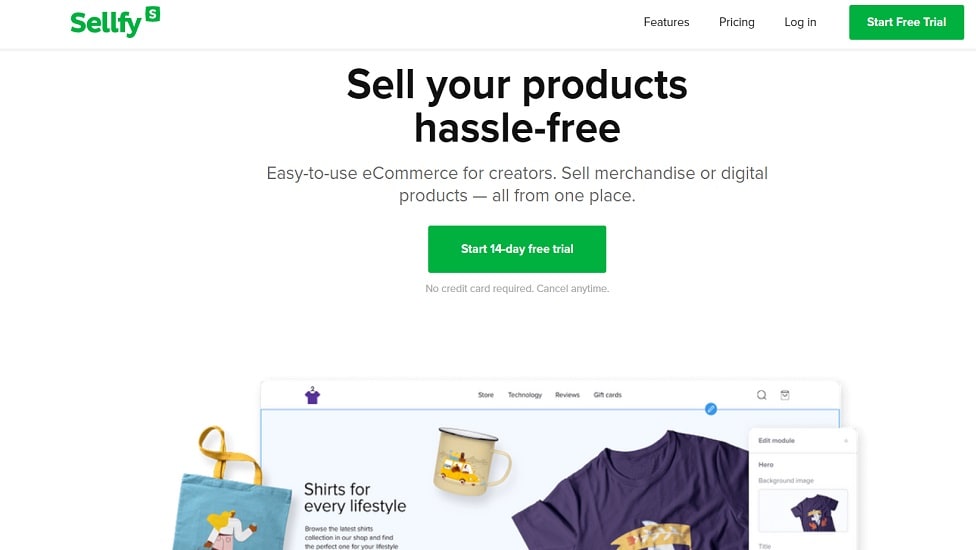
Sellfy's platform is meticulously crafted to offer simplicity and intuitiveness, catering perfectly to entrepreneurs with varying levels of technical expertise.
When comparing the ease-of-use between Sellfy and Shopify, Sellfy comes out on top with its streamlined user interface. Sellfy's platform is meticulously crafted to offer simplicity and intuitiveness, catering perfectly to entrepreneurs with varying levels of technical expertise. For instance, Sellfy enables users to effortlessly create their online store, add products, and initiate sales within minutes, requiring minimal guidance.
In contrast, while Shopify boasts a plethora of advanced features, navigating its platform may prove challenging for beginners. The learning curve associated with Shopify could be notably steeper, demanding a more substantial investment of time to become proficient.
Sellfy Surpasses Shopify in Customization Depth

With Sellfy, businesses can effortlessly incorporate logos, personalize the layout, and seamlessly link their web domain with just a few clicks, enabling them to establish a distinct and memorable online presence.
Sellfy distinguishes itself through its exceptional level of customization, offering users extensive options to tailor their online presence according to their brand identity. With Sellfy, businesses can effortlessly incorporate logos, personalize the layout, and seamlessly link their web domain with just a few clicks, enabling them to establish a distinct and memorable online presence.
While Shopify provides customization features and free templates, Sellfy's emphasis on customization appears to offer a more comprehensive approach, allowing businesses to create truly unique and personalized storefronts that resonate with their target audience.
Sellfy and Shopify are Equal at Monitoring Sales Analytics

Through comprehensive analytic tools, users can monitor key metrics such as sales trends, customer behavior, and product performance, enabling them to refine their sales strategies and maximize revenue potential.
Both Sellfy and Shopify deliver robust features for tracking sales performance and gaining valuable insights into business operations. Through comprehensive analytic tools, users can monitor key metrics such as sales trends, customer behavior, and product performance, enabling them to refine their sales strategies and maximize revenue potential.
With Sellfy and Shopify offering comparable capabilities in this area, businesses can leverage actionable data to make informed decisions and drive growth effectively. Thus, whether utilizing Sellfy or Shopify, businesses can rely on equally competitive analytic features to gain valuable insights and optimize their e-commerce operations.
Sellfy Edges Ahead of Shopify with Diverse Payment Options

Sellfy appears to have a slight advantage in this aspect by offering customers the flexibility to pay via multiple trusted methods, including PayPal and Stripe.
Both Sellfy and Shopify provide robust and secure options for processing transactions. However, Sellfy appears to have a slight advantage in this aspect by offering customers the flexibility to pay via multiple trusted methods, including PayPal and Stripe. This diverse range of payment options enhances convenience for customers while maintaining the security of both the online store and transaction details.
In contrast, Shopify primarily emphasizes secure credit card payments but does not explicitly mention other popular payment methods such as PayPal or Stripe, potentially limiting the payment options available to customers.
Shopify Surpasses Sellfy with Multi-Channel Selling Capabilities

For example, Shopify seamlessly integrates with leading online marketplaces like Amazon, eBay, and Etsy, allowing merchants to leverage these platforms to reach a broader audience and drive sales.
When it comes to multi-channel selling, Shopify outshines Sellfy by offering merchants the flexibility to sell not only from their own online store but also from various online marketplaces. This multi-channel approach significantly expands merchants' reach, increasing visibility and providing additional avenues to connect with potential customers.
For example, Shopify seamlessly integrates with leading online marketplaces like Amazon, eBay, and Etsy, allowing merchants to leverage these platforms to reach a broader audience and drive sales. In contrast, Sellfy does not explicitly mention such multi-channel selling capabilities, indicating a potential limitation compared to Shopify's comprehensive approach.
Shopify's Extensive Integration Ecosystem Outshines Sellfy

Shopify boasts a comprehensive array of integrations, providing users with access to a diverse range of business-critical applications.
Broadening our focus to integrations, Shopify proves to be a well-established champion over Sellfy. Shopify boasts a comprehensive array of integrations, providing users with access to a diverse range of business-critical applications. For example, Shopify seamlessly integrates with popular email marketing tools like Mailchimp, CRM systems such as HubSpot, and accounting software like QuickBooks. This expansive integration ecosystem empowers businesses to tailor their online stores to their specific requirements, ensuring seamless workflows and enhanced productivity.
In contrast, Sellfy's integration options are more limited in scope, primarily offering basic integrations essential for e-commerce operations. While Sellfy covers the fundamental integration needs, it pales in comparison to Shopify's extensive integration depth, making Shopify the superior choice for businesses seeking unparalleled customization and integration capabilities.
08 Sellfy vs Shopify: Which is the best for your business?
Sellfy is the best tool for you if:
- You're a creator or digital entrepreneur focusing exclusively on digital products such as e-books, music, videos, or software and seek a straightforward platform to start selling quickly.
- You value an all-in-one solution that combines e-commerce functionalities with built-in marketing tools like email marketing, discounts, and upselling to enhance your digital product sales without external plugins.
- You prefer a user-friendly interface that requires minimal technical knowledge, allowing you to easily set up your store, manage your products, and track your sales with ease.
- You're looking for a cost-effective platform with a straightforward pricing structure that includes hosting, without the need for additional investments in apps or themes to get started.
- You aim to leverage a platform that offers built-in analytics and integration capabilities with external tools, providing insights into your sales performance and customer behavior to refine your marketing strategies.
 You're a creator or digital entrepreneur focusing exclusively on digital products such as e-books, music, videos, or software and seek a straightforward platform to start selling quickly.
Shopify is the best tool for you if:
- You plan to sell a wide range of products, including both physical and digital items, and seek a scalable platform that can grow with your business over time.
- You value extensive customization options, wanting to tailor your online store with professional themes and an expansive app ecosystem to enhance functionality and customer experience.
- You're interested in a comprehensive e-commerce solution that includes features for inventory management, payment processing, and shipping, streamlining the operation of both small and large-scale businesses.
- You aim to reach a global audience with multilingual support, various payment gateways, and the ability to handle different tax regulations, making it ideal for international sales.
- You're looking for robust support and resources, including 24/7 customer service, detailed documentation, and a community of users, ensuring you have the help you need to succeed.
Sellfy
Used by 62 members
50% off the first year
Save up to $954
Shopify
Used by 2462 members
$1/month for the first 3 months + 25% off annual plans
Save up to $2,734
09 Alternatives to Sellfy & Shopify

Wix
Used by 993 members

ClickFunnels
Used by 260 members
1 month free on the Pro plan
Save up to $197

WiziShop
Used by 74 members

Fresh Clean Threads
Used by 2 members
10 Promotions on E Commerce and Website Builder software
Sellfy and Shopify are great tools, but Secret offers promo codes with discounts on over 2230+ different SaaS solutions. New deals are added regularly, helping you save money on your online subscriptions. Get access to codes for other E Commerce and Website Builder software you might want to purchase

Stripe coupon
$500 in credits

Lovable discount
15% off annual Pro and Business plans

ShipBob coupon
$1,000 in shipping credits

WordPress.com discount
30% off all monthly plans

Promo code Spocket
25% off for 3 months

bolt.new coupon code
20% off all plans for the first 3 months

Deal for Squarespace
Additional 10% off across all plans

Code for Elementor: Website Builder
17% off the annual One Agency plan
ClickFunnels promo code 2026
1 month free on the Pro plan

Carrd coupon code 2026
30% off for 1 year
Start saving on the best SaaS
Secret has already helped tens of thousands of startups save millions on the best SaaS like Microsoft Teams, Google Workspace & many more. Join Secret now to buy software the smart way.