


Payment processing and e-commerce solutions play a pivotal role in managing your online business. When it comes to selecting the right tools for your needs, two prominent options to consider are Stripe and Shopify.
Stripe, known for its robust payment processing capabilities, and Shopify, a comprehensive e-commerce platform, each offer distinct features and functionalities. In this article, we will provide a detailed comparison of Stripe vs. Shopify. By the end of this discussion, you'll have a clear understanding of their key features, differences, and ideal use cases, enabling you to make an informed decision about which solution best suits your online business. Let's get started!
- 01 Stripe vs Shopify: overview
- 02 What's the difference between Stripe and Shopify?
- 03 Stripe pros and cons
- 04 Shopify pros and cons
- 05 Stripe compared to Shopify
- 06 Shopify compared to Stripe
- 07 Features comparison
- 08 Stripe vs Shopify: Which is the best for your business?
- 09 Alternatives to Stripe & Shopify
- 10 Promotions on Payments software
Start saving on the best SaaS
Secret has already helped tens of thousands of startups save millions on the best SaaS like Microsoft Teams, Google Workspace & many more. Join Secret now to buy software the smart way.

01 Stripe vs Shopify: overview
Stripe and Shopify both occupy significant positions in the realm of online payment processing and e-commerce solutions. Each platform offers distinct advantages tailored to meet the diverse needs of businesses in the digital marketplace.
Stripe is renowned for its robust payment processing capabilities, making it an excellent choice for businesses looking to seamlessly handle transactions online. On the other hand, Shopify specializes in providing a comprehensive e-commerce platform, excelling in areas such as website building, product management, and sales optimization.
In this article, we will delve into the Stripe vs. Shopify comparison to empower you with the knowledge needed to make an informed decision regarding the best solution for your online business. Let's explore the differences and strengths of these two platforms to help you choose the one that aligns most closely with your specific e-commerce needs.

Customer reviews
Stripe is highly regarded for its developer-friendly APIs and customization options. Shopify is praised for its ease of use and all-in-one e-commerce platform capabilities.

Stripe
Shopify
Ease of use
Stripe is known for its flexibility, but it requires a technical understanding to fully utilize its features. Shopify is user-friendly, with a focus on simplifying the e-commerce process for non-technical users.
Stripe
Shopify
Payment options
Stripe supports a wide array of payment methods, including credit cards, ACH transfers, and international payments. Shopify Payments, which is powered by Stripe, has similar capabilities but is limited to Shopify stores.
Stripe
Shopify
International support
Stripe excels in international payments and supports over 135 currencies. Shopify also provides international support but with a focus on merchants who use the Shopify platform.
Stripe
Shopify
Security features
Stripe places a strong emphasis on security with advanced fraud protection and PCI compliance measures. Shopify also provides secure transactions but relies on Stripe for much of its payments infrastructure.
Stripe
Shopify
Reporting and analytics
Stripe offers detailed reporting for financial reconciliation and accounting purposes. Shopify provides comprehensive analytics geared towards e-commerce performance and sales tracking.
Stripe
Shopify
Pricing plans
Stripe offers a pay-as-you-go pricing model with no monthly fees, which is appealing for businesses with fluctuating sales volumes. Shopify charges monthly fees and transaction fees, which might be higher but include access to a complete online store.
Stripe
Shopify
Customer support
Stripe provides comprehensive technical support, particularly valued by developers. Shopify offers robust support with various channels, including phone, email, and live chat, which is beneficial for merchants.
Stripe
Shopify
E-commerce tools
Stripe is primarily a payment processor and offers tools related to payments management. Shopify is a complete e-commerce solution with a wide range of tools for online store management, marketing, and sales.
Stripe
Shopify
Integrations
Stripe's API allows for integration with a vast number of platforms and custom setups, including WooCommerce, Xero and Expensify. Shopify, while offering a range of integrations within its e-commerce ecosystem, has some limitations outside of it.
Stripe
Shopify
02 What's the difference between Stripe and Shopify?

Stripe's flexibility and API integrations allow it to scale with your specific needs
Stripe
Manage your online payments

Shopify, with its various plans and an extensive app store, offers scalability as well
Shopify
The Shopify tool will allow you to create or migrate your optimized online store. Your e-commerce website will then benefit from the tools you need to attract customers, and boost your sales, by allowing you to manage your website with ease.
One of the primary distinctions between Stripe and Shopify lies in their pricing structures. Stripe is known for its transparent and pay-as-you-go pricing model. It charges a fixed percentage fee plus a per-transaction fee for each successful payment processed. This straightforward approach is suitable for businesses of various sizes and scales. In contrast, Shopify offers a more complex pricing system. While it offers a basic plan, the majority of its features are only accessible through more expensive subscription tiers. Shopify's pricing can become more costly as your business grows, making it essential to carefully evaluate your budget and requirements.
Another notable difference between Stripe and Shopify is their core functionalities. Stripe is primarily a payment processing platform, renowned for its developer-friendly tools, customizable checkout experiences, and a wide range of payment options. It excels at handling transactions efficiently and securely. On the other hand, Shopify is an all-in-one e-commerce platform that encompasses website building, product management, marketing, and sales optimization tools. It offers a comprehensive solution for businesses looking to establish and manage their online presence.
In terms of scalability, both Stripe and Shopify provide options for businesses to grow. Stripe's flexibility and API integrations allow it to scale with your specific needs, whether you're a startup or an enterprise. Shopify, with its various plans and an extensive app store, offers scalability as well, but it's more tailored to e-commerce businesses.
Stripe excels in payment processing, offering versatility and developer-friendly features. Shopify, on the other hand, provides a comprehensive e-commerce solution with a focus on building and managing online stores.

Stripe
Used by 8,874 members
$500 in credits
Save up to $500

Shopify
Used by 2,570 members
$1/month for the first 3 months + 25% off annual plans
Save up to $2,734
03 Stripe pros and cons
What are the advantages of Stripe?
- User-friendly interface: Stripe offers an intuitive and user-friendly dashboard, making it easy for businesses to set up and manage their payment processing.

- Versatile payment options: Stripe supports a wide range of payment methods, including credit cards, digital wallets like Apple Pay and Google Wallet, and ACH transfers, providing convenience for customers.
- Global reach: Stripe allows businesses to accept payments from customers around the world, supporting multiple currencies and languages, which is crucial for international expansion.
- Developer-friendly: Stripe provides robust developer tools and APIs that make it easy to integrate with websites, mobile apps, and various e-commerce platforms, offering customization and flexibility.
- Transparent pricing: Stripe has transparent pricing with no hidden fees or setup costs. It offers competitive rates for payment processing and provides clear documentation for understanding pricing.
What are the disadvantages of Stripe?
- Account holds and freezes: Stripe has been known to be cautious about fraud and may freeze or hold funds if it detects suspicious activity, which can disrupt business operations.

- Limited customer support: Stripe's customer support can be challenging to reach at times, and their responsiveness may not always meet the needs of businesses with urgent issues.
- Chargeback fees: Stripe charges fees for chargebacks, which occur when customers dispute transactions, and these fees can add up for businesses, affecting their bottom line.
- Payout delays: Depending on the business type and location, Stripe may have payout delays of up to several days before funds are transferred to the merchant's bank account.
- Limited physical point of sale (POS) options: While Stripe is excellent for online payments, it may not be the best choice for businesses that rely heavily on in-person transactions, as it lacks extensive POS capabilities.
Compare Stripe to other tools


Stripe vs Airwallex

Stripe vs Brex

Stripe vs Square Point of Sale

Melio vs Stripe

Chargebee vs Stripe

Stripe vs PayPal
04 Shopify pros and cons
What are the advantages of Shopify?
- User-friendly: Shopify offers an intuitive and user-friendly platform, making it easy for businesses, even those with limited technical expertise, to set up and manage their online stores.
- Comprehensive e-commerce features: Shopify provides a wide range of built-in e-commerce features, including product management, inventory tracking, payment processing, and order fulfillment, reducing the need for third-party integrations.
- Customization: Shopify allows for extensive customization of online stores, offering a variety of themes and the ability to edit HTML and CSS to tailor the store's appearance and functionality.
- App ecosystem: Shopify has a robust app store with thousands of apps and integrations to enhance the functionality of your online store, from marketing tools to accounting software.
- Scalability: Shopify can accommodate businesses of all sizes, from startups to enterprise-level operations, with various pricing plans and the ability to handle high levels of traffic and sales.
What are the disadvantages of Shopify?
- Transaction fees: While Shopify offers competitive pricing, it charges transaction fees on each sale made unless you use its in-house payment gateway, Shopify Payments.
- Monthly subscription costs: The cost of monthly subscriptions can add up, particularly if you require advanced features or multiple staff accounts, making it less budget-friendly for some small businesses.
- Learning curve: While Shopify is user-friendly, beginners may still encounter a learning curve when setting up and customizing their stores, especially if they are new to e-commerce.
- Limited free themes: While Shopify provides a variety of themes, many of the more advanced and appealing options come with an additional cost, which can increase your initial investment.
- Dependency on Shopify's platform: Shopify is a hosted platform, meaning you rely on their infrastructure. This can limit your control over server configurations and may result in occasional downtime or performance issues beyond your control.
Compare Shopify to other tools


Wix vs Shopify

Shopify vs Jimdo

Sellfy vs Shopify

ClickFunnels vs Shopify

Woocommerce vs Shopify
Shopify vs Square Point of Sale
05 Stripe compared to Shopify
Stripe and Shopify are prominent players in the realm of online business, each offering unique strengths. Stripe specializes in payment processing, known for its versatility and developer-friendly tools. It allows businesses to accept payments seamlessly, supporting various methods and currencies.
On the other hand, Shopify is a comprehensive e-commerce platform that goes beyond payments, providing features for building and managing online stores. It excels in website creation, product management, and marketing tools. Choosing between them hinges on your specific needs: Stripe for payment-focused solutions and Shopify for a complete e-commerce package, making it essential to align your choice with your business goals.
Is Stripe better than Shopify?
 Is Stripe better than Shopify?
When considering whether Stripe is superior to Shopify, it's crucial to understand their distinct roles in online commerce. Stripe, with its focus on streamlined payment processing, is ideal for businesses seeking a robust, flexible payment system. Its adaptability and developer-oriented features cater to a wide range of payment options and currencies, making it a top choice for handling transactions.
Conversely, Shopify offers a broader suite of e-commerce services. It's not just about payments; Shopify shines in creating and managing online stores, encompassing website development, product management, and marketing functionalities. The decision between Stripe and Shopify ultimately depends on your business priorities. If the core requirement is efficient and versatile payment processing, Stripe stands out. However, if you're looking for an all-in-one e-commerce solution that handles everything from storefront creation to sales, Shopify is the more fitting choice.
What is Stripe best used for?
Stripe is best used for online payment processing. It excels at securely and efficiently handling transactions, making it a go-to choice for businesses operating in the digital realm. With its developer-friendly tools and versatility, Stripe accommodates a wide range of payment methods, including credit cards, digital wallets, and ACH transfers. It's suitable for e-commerce websites, subscription-based services, SaaS platforms, and marketplaces.
Stripe's global reach, supporting multiple currencies and languages, ensures it meets the needs of businesses looking to expand internationally. Overall, Stripe is ideal for those seeking a reliable and customizable payment solution to facilitate seamless online transactions.
Can Stripe replace Shopify?
Stripe and Shopify serve distinct roles in the realm of online business and are not direct replacements for each other. Stripe excels in payment processing, offering versatility and developer-friendly tools for handling transactions. However, it does not provide the comprehensive e-commerce features, website building, product management, and marketing tools that Shopify offers.
Shopify is an all-in-one e-commerce platform designed for creating and managing online stores. While Stripe can handle payment processing within a Shopify store, it cannot fully replace Shopify's broader e-commerce capabilities. Therefore, while Stripe is a valuable component, it cannot replace Shopify's comprehensive e-commerce solution.
Is Stripe cheaper than Shopify?
Stripe and Shopify have different pricing models, making a direct cost comparison complex. Stripe primarily charges fees based on transactions, with transparent pricing. Shopify, on the other hand, has a monthly subscription model with various plans. The costs can vary depending on your business's size and needs.
Small businesses with minimal online sales may find Stripe's pay-as-you-go model more cost-effective. However, as your business grows and requires more e-commerce features, Shopify's monthly fees can become competitive, offering a comprehensive suite of tools and services.
Is there a better Payments software than Stripe?
Stripe is a leading payment processing software, but it's important to determine if there might be a better fit for your specific needs in the competitive payment solutions market.
Several notable alternatives to Stripe include PayPal, Square, Braintree, and Authorize.Net.
The selection of payment processing software depends on factors such as your business type, transaction volume, international operations, and the need for specific features like subscription management or in-person payments. While Stripe offers robust payment processing capabilities, exploring these alternatives may uncover a solution that aligns more precisely with your payment processing requirements and preferences.

Stripe
Premium
Manage your online payments
$500 in credits
Save up to $500
06 Shopify compared to Stripe
Shopify and Stripe are integral tools for online businesses, yet they serve different functions. Shopify is a comprehensive e-commerce platform that facilitates website creation, product management, marketing, and sales optimization.
In contrast, Stripe specializes in payment processing, offering versatility and developer-friendly tools to handle transactions efficiently. While Shopify can utilize Stripe for payment processing, it excels in providing a complete e-commerce package. The choice between them depends on your business focus; Shopify is ideal for those seeking to establish and manage an online store, while Stripe is the go-to solution for secure and customizable payment processing.
Is Shopify better than Stripe?
Determining if Shopify is better than Stripe involves understanding their distinct areas of expertise in the digital market space. Shopify's strength lies in its all-encompassing e-commerce capabilities. It's not just a platform for online transactions but a holistic solution for creating, managing, and marketing an online store. This makes it particularly valuable for businesses looking to establish a comprehensive online presence.
On the other hand, Stripe's prowess in the specialized field of payment processing, with its array of customizable and developer-friendly options, is unmatched. However, for those whose primary need is building and optimizing an entire e-commerce operation, Shopify emerges as the superior choice.
What is Shopify best used for?
Shopify is best used for establishing and managing online stores. It offers a comprehensive e-commerce platform equipped with features for website creation, product inventory management, marketing, and sales optimization. This platform is ideal for businesses and entrepreneurs looking to sell products or services online, whether it's physical merchandise, digital goods, or subscription-based offerings.
Shopify's user-friendly interface, customization options, and a wide range of apps and integrations make it accessible to businesses of all sizes. It provides the tools necessary to create a professional and fully functional online presence, making it a top choice for e-commerce businesses and those venturing into online sales.
Can Shopify replace Stripe?
Shopify and Stripe serve distinct roles in the realm of online business and are not direct replacements for each other. Shopify is primarily an e-commerce platform that facilitates website creation, product management, and sales optimization.
While Shopify can integrate with Stripe for payment processing, it cannot fully replace Stripe's expertise in handling transactions and providing customizable payment solutions. Stripe, on the other hand, is a specialized payment processing platform known for its developer-friendly tools and versatility. While they can complement each other, Shopify cannot replace Stripe's core payment processing capabilities.
Is Shopify cheaper than Stripe?
Comparing the costs of Shopify and Stripe can be somewhat complex due to their different pricing models. Stripe primarily charges fees per transaction, with transparent pricing, making it appealing to businesses with lower sales volumes.
In contrast, Shopify’s pricing operates on a monthly subscription model with various plans, which can become cost-competitive as your business grows. Small businesses with minimal online sales may find Stripe more cost-effective initially. However, as your business expands and requires more e-commerce features, Shopify's monthly fees may offer a comprehensive suite of tools and services at a competitive price point.
Is there a better Website Builder software than Shopify?
Shopify is a robust e-commerce platform, but it's essential to consider whether there might be a better-suited software solution for your specific online business needs.
Several notable alternatives to Shopify in the e-commerce and online store management space include WooCommerce, BigCommerce, Wix, and Magento.
The selection of e-commerce software depends on factors such as your product range, target audience, budget, and desired level of customization. While Shopify offers a user-friendly and all-in-one approach to online store management, exploring these alternatives may uncover a solution that aligns more precisely with your e-commerce requirements, offering unique features or cost advantages for your specific business model.

Shopify
Optimize the creation and management of your e-commerce website
$1/month for the first 3 months + 25% off annual plans
Save up to $2,734
07 Features comparison
Shopify's User-Friendly Interface Outshines Stripe
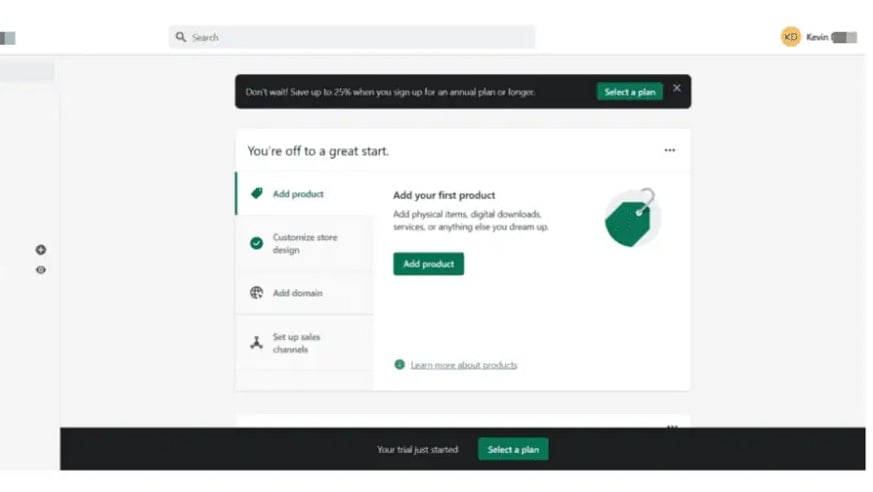
Shopify's interface caters to non-technical entrepreneurs, offering a hassle-free experience in setting up an online store.
In terms of user-friendliness, both Stripe and Shopify aim to provide a smooth experience, but Shopify stands out for its exceptional ease of use.
Shopify's interface caters to non-technical entrepreneurs, offering a hassle-free experience in setting up an online store. Uploading products, customizing the storefront, and managing inventory are all made remarkably simple. With clearly labeled prompts and an abundance of readily available resources, Shopify guides users effortlessly through the entire process. In contrast, Stripe, while powerful, can prove somewhat complex, particularly when integrating it into a website or managing advanced product catalogs, often requiring a higher level of technical proficiency.
Stripe's Versatile Payment Processing Outshines Shopify
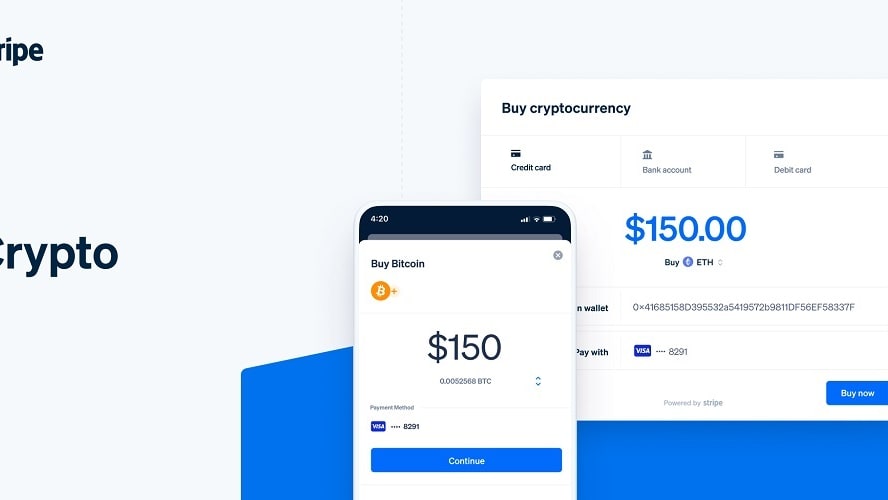
Stripe enables businesses to accept an extensive array of payment methods
Stripe surpasses Shopify with its formidable payment processing capabilities. Stripe enables businesses to accept an extensive array of payment methods, such as credit/debit cards, popular digital wallets like Apple Pay and Google Pay, as well as bank transfers and region-specific localized payment methods. This versatility not only enhances customer convenience but also broadens your business's global reach.
For instance, Stripe's support for ACH transfers makes it ideal for U.S.-based businesses seeking to offer bank-to-bank payments. In contrast, while Shopify provides payment processing through Shopify Payments, it may not match the same level of payment method diversity, potentially limiting its appeal for businesses with a broad international customer base or specific regional payment preferences.
Shopify's Comprehensive Online Presence Development Surpasses Stripe

Shopify goes beyond basic e-commerce functionality by offering tools for brand image development, logo creation, and even SEO optimization.
While Stripe offers customizable checkout experiences to align with brand identities, Shopify takes a more comprehensive approach to help businesses establish themselves online.
Shopify goes beyond basic e-commerce functionality by offering tools for brand image development, logo creation, and even SEO optimization. This holistic approach empowers businesses, particularly those in their early digital stages, to craft a compelling and cohesive online presence. For example, Shopify's built-in logo maker enables users to design a unique brand emblem without the need for external graphic design tools. This breadth of features sets Shopify apart as an exceptional tool for businesses embarking on their digital journey, giving them a head start in creating a compelling online brand identity.
Stripe's Comprehensive Payment Analytics Trump Shopify

Stripe offers robust analytics and reporting tools, delivering detailed insights into transaction volumes, revenue trends, customer behavior, and other critical metrics.
Effective payment tracking and analysis are essential for businesses, and Stripe outperforms Shopify in this aspect. Stripe offers robust analytics and reporting tools, delivering detailed insights into transaction volumes, revenue trends, customer behavior, and other critical metrics. These insights empower businesses to make informed decisions and optimize their payment processes.
For instance, Stripe's ability to break down revenue by payment method helps businesses understand which channels are most profitable. Additionally, Stripe's Chargeback Protection service provides real-time data on disputes and chargebacks, enabling swift resolution. While Shopify does provide performance analysis dashboards, the depth and specificity Stripe offers for financial data set it apart, making it the superior choice for businesses seeking comprehensive payment analytics and reporting.
Both Stripe and Shopify are Equally Robust for Subscription Billing
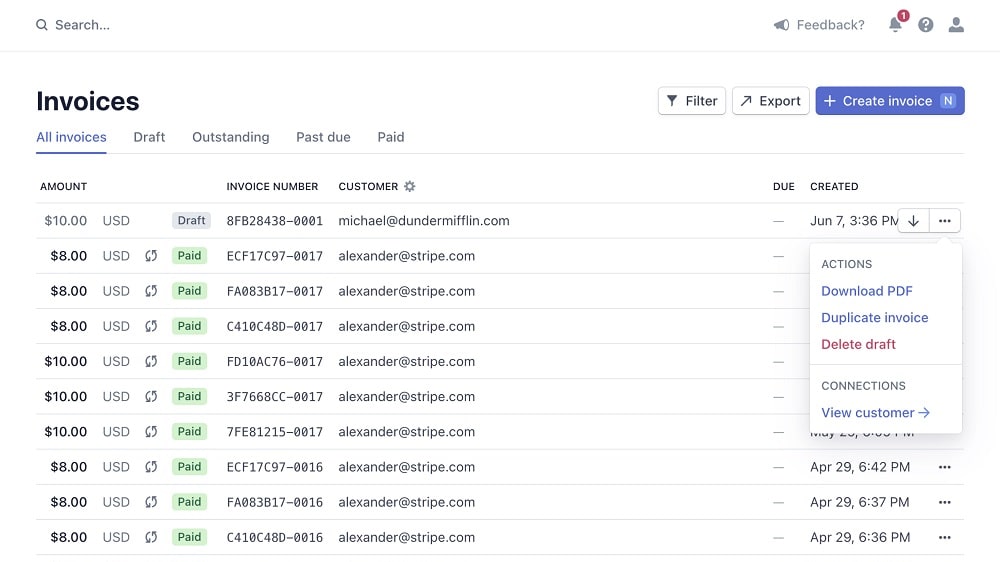
Stripe's Subscription API empowers businesses to create and manage subscriptions with ease
Both Stripe and Shopify excel in providing robust subscription billing capabilities, making them top contenders in this domain. They offer businesses the flexibility to establish recurring billing for subscription-based services, accommodating various billing frequencies, trial periods, and customizable plans tailored to specific business requirements.
For instance, Stripe's Subscription API empowers businesses to create and manage subscriptions with ease, while Shopify's Subscription Management system seamlessly integrates with its e-commerce platform, allowing businesses to handle subscription products alongside their regular inventory. The choice between Stripe and Shopify in this regard may ultimately boil down to personal preference or other factors, as both tools offer comprehensive and versatile solutions for subscription billing.
Shopify's Multi-Channel Selling Trumps Stripe's Payment Focus

Beyond hosting an online store, Shopify empowers businesses to expand their sales reach by seamlessly integrating with major online marketplaces.
While Stripe offers a suite of subsidiary services to streamline payments, Shopify shines in the realm of multi-channel selling. Beyond hosting an online store, Shopify empowers businesses to expand their sales reach by seamlessly integrating with major online marketplaces.
Shopify's versatility enables businesses to not only sell products directly from their store but also list and manage their inventory on platforms like Amazon, eBay, and social media channels such as Facebook and Instagram. This comprehensive approach to multi-channel selling positions Shopify as the preferred choice for businesses seeking to maximize their sales potential across diverse online platforms. Whether you're an established retailer or a newcomer to e-commerce, Shopify's multi-channel capabilities provide a competitive edge in the ever-expanding digital marketplace.
Stripe's Integration Versatility Trumps Shopify

Thanks to its powerful API, Stripe seamlessly integrates with a vast spectrum of platforms, regardless of business size or industry.
When comparing integration possibilities, both Stripe and Shopify offer a wide array of options, but Stripe takes the lead with its extensive capabilities.
Stripe's integration prowess is undeniably robust. Thanks to its powerful API, Stripe seamlessly integrates with a vast spectrum of platforms, regardless of business size or industry. It boasts compatibility with numerous programming languages and frameworks, providing developers the freedom to craft tailor-made solutions. Furthermore, Stripe extends its reach beyond e-commerce, integrating effortlessly with various services, spanning analytics, customer management, productivity tools, and more. On the other hand, Shopify, while offering a plethora of integrations, primarily focuses on e-commerce-related plugins and applications, which may limit businesses seeking broader functionalities outside the realm of e-commerce.
08 Stripe vs Shopify: Which is the best for your business?
Stripe is the best tool for you if:
- Your primary focus is on efficient, secure payment processing, offering a wide range of options including credit cards, digital wallets, and international currencies.
- You need a highly customizable payment gateway that integrates seamlessly with various platforms, apps, and systems, catering to tech-savvy businesses.
- You're looking for developer-friendly APIs and documentation to create a tailored payment experience for your customers, offering flexibility and control over transactions.
- Scalability is vital for your growing business, requiring a payment processor that can handle increased volume without compromising performance or security.
- You value real-time data and analytics for payments, offering insights into customer behavior and transaction trends to inform business strategies.
 Your primary focus is on efficient, secure payment processing, offering a wide range of options including credit cards, digital wallets, and international currencies.
Shopify is the best tool for you if:
- You're looking to build a comprehensive online store with integrated tools for product management, marketing, and sales, all within a user-friendly interface.
- You desire a one-stop solution for e-commerce that includes customizable website templates, inventory tracking, and integrated payment options.
- You need access to a wide range of third-party apps and plugins to enhance your store's functionality, from SEO to customer relationship management.
- You prioritize having built-in marketing tools, such as email campaigns and social media integration, to effectively reach and engage your audience.
- You require robust customer support and resources, including forums, guides, and 24/7 assistance, to navigate and succeed in the e-commerce space.
Stripe
Used by 8,874 members
$500 in credits
Save up to $500
Shopify
Used by 2,570 members
$1/month for the first 3 months + 25% off annual plans
Save up to $2,734
09 Alternatives to Stripe & Shopify

Qonto
Used by 1,770 members
2 months free on the Basic and Smart plans
Save up to $100

Airwallex
Used by 1,167 members
$50,000 in fee-free FX conversions
Save up to $1,000

SumUp
Used by 640 members
10% off 1st purchase
Save up to $14

Revolut Business
Used by 580 members
First month free on the Basic, Grow, or Scale plan
Save up to $90
10 Promotions on Payments and Website Builder software
Stripe and Shopify are great tools, but Secret offers promo codes with discounts on over 2250+ different SaaS solutions. New deals are added regularly, helping you save money on your online subscriptions. Get access to codes for other Payments and Website Builder software you might want to purchase
Airwallex promotion code
$50,000 in fee-free FX conversions

Deal for Webflow
40% off annual plans

Promo code for Memberstack
50% off for 6 months

Lovable free credits
15% off annual Pro and Business plans

Credits for Stripe Atlas
$50 off for the incorporation of your company

Squarespace coupon code 2026
50% off across Core, Plus and Advanced plans
Promo code for Qonto
2 months free on the Basic and Smart plans

WordPress.com free credits
30% off all monthly plans

Discount for Chargebee
Free access to the Performance plan until your first $1M in billing

bolt.new discount
20% off all plans for the first 3 months
Start saving on the best SaaS
Secret has already helped tens of thousands of startups save millions on the best SaaS like Microsoft Teams, Google Workspace & many more. Join Secret now to buy software the smart way.