


Digital marketing analytics tools are pivotal for businesses aiming to optimize their online presence, track performance metrics, and stay ahead in the competitive digital landscape. By leveraging these tools, businesses can gain valuable insights into website traffic, user behavior, and campaign effectiveness, amongst others.
Given their significance, there are various analytics platforms available in the market, and choosing the right one can sometimes seem daunting. In this article, we delve into two renowned analytics solutions, Semrush* vs Google Analytics. By comprehending their features, advantages, drawbacks, and distinctions, you'll be better equipped to select the tool that aligns perfectly with your business objectives and marketing strategies.
*When you purchase through links on our website/article, we may earn an affiliate commission from Semrush
- 01 Semrush vs Google Analytics: overview
- 02 What's the difference between Semrush and Google Analytics?
- 03 Semrush pros and cons
- 04 Google Analytics pros and cons
- 05 Semrush compared to Google Analytics
- 06 Google Analytics compared to Semrush
- 07 Features comparison
- 08 Semrush vs Google Analytics: Which is the best for your business?
- 09 Alternatives to Semrush & Google Analytics
- 10 Promotions on SEO software
Start saving on the best SaaS
Secret has already helped tens of thousands of startups save millions on the best SaaS like Microsoft Teams, Google Workspace & many more. Join Secret now to buy software the smart way.

01 Semrush vs Google Analytics: overview
Semrush and Google Analytics are leading figures in the domain of digital marketing analytics, each boasting a rich set of tools and insights. Deciding between these two platforms can be a conundrum, given their robust analytics and data-driven functionalities.
To guide your decision-making journey, we've devised a detailed comparison chart that accentuates the essential features of Semrush and Google Analytics. By incorporating a star-based rating system complemented by in-depth commentary, this chart aspires to equip you with the crucial knowledge needed to make a judicious choice for your digital marketing analytics needs.
Whether you're inclined towards competitor research, organic search insights, user behavior analysis, or website performance metrics, our comparison will assist you in traversing the Semrush vs Google Analytics terrain, ensuring you identify the platform that resonates most effectively with your particular marketing objectives.

Ease of Use
GA is notoriously hard to use, with a cluttered user interface and multiple customization options. SEMRush is much more user-friendly, although it still has a considerable learning curve.

Semrush
Google Analytics
Pricing Plan
Google Analytics is better because it’s free. SEMRush will cost you $129.95/month for its cheapest plan. It’s a high price, but it justifies itself with way more features than GA.
Semrush
Google Analytics
Customer Support
Both tools feature decent customer service, including a knowledge base and ticketing system. But SEMRush stands out with its live phone support.
Semrush
Google Analytics
Customer Reviews
No tool is better than the other in this category. Both SEMRush and Google Analytics boast 4-5 star reviews across all aggregators.
Semrush
Google Analytics
Integrations
SEMRush integrates with a lot of popular tools, like the Google Suite or Zapier. But GA far surpasses it in number and quality of integrations.
Semrush
Google Analytics
SEO
Google Analytics can be useful for SEO thanks to bounce rate metrics, and other similar insights. But SEMRush is much better at keyword research, site auditing, content optimization, and more.
Semrush
Google Analytics
Real-Time Reporting
In Google Analytics you get real-time reporting, straight from your site. SEMRush is focused more on historical data.
Semrush
Google Analytics
Competitor Analysis
Google Analytics is mostly focused on internal metrics about your site’s performance. Meanwhile, SEMRush is mostly focused on competitor analysis
Semrush
Google Analytics
Customization
Google Analytics is much more customizable than SEMRush, offering different analysis tools, views, and customizable reports.
Semrush
Google Analytics
Paid Advertising
Google Analytics can help a lot with conversion rate optimization, while SEMRush is much better at researching ad opportunities and strategies.
Semrush
Google Analytics
02 What's the difference between Semrush and Google Analytics?

SEMRush uses historical data to help you research your competitors, and formulate new SEO and PPC campaigns.
Semrush
Be more visible in search results and increase qualified traffic

Google Analytics is free, and probably always will be. Not to mention, it’s much more customizable, and easy to deploy on your site.
Google Analytics
Google Analytics is a web analytics platform that tracks how your users find and interact with your website, giving you the data to make smarter decisions about traffic, content, and conversions.
Google Analytics and SEMRush are very different. For starters, they serve very different markets. Google Analytics provides real-time reporting on your site’s visitors, demographics, and sales. SEMRush uses historical data to help you research your competitors, and formulate new SEO and PPC campaigns.
If you want solid analytics, you’ll probably have to use both. That’s why SEMRush and Google Analytics can integrate well together. They’re mean to be used at the same time, at the different things they do well.
But if you need specific features that overlap in both, let’s talk about SEMRush vs Google Analytics. Which should you pick?
If you’re on a tight budget, the choice is pretty simple. Google Analytics is free, and probably always will be. Not to mention, it’s much more customizable, and easy to deploy on your site.
Unfortunately, Google Analytics is also much harder to use than SEMRush. It’s the kind of yool you’ll probably want to get certified in, if you plan on using it for a long time.
SEMRush is no walk in the park either, but its learning curve is reasonable. Plus, it’ll give you access to a ton of tools you won’t find in Google Analytics, like keyword research, site auditing, competitor analysis, and more. For example, you can use SEMRush to reverse-engineer your competitor’s ad campaigns, and emulate their success.
If you can afford it, SEMRush will bring more to the table. But you’ll also be missing real-time reporting. So again, the best choice is using both.

Semrush
Be more visible in search results and increase qualified traffic
14 days free on Semrush One
Save up to $274
03 Semrush pros and cons
What are the advantages of Semrush?
- Comprehensive SEO toolset: Semrush offers a wide variety of SEO tools including keyword research, site audit, and backlink analysis, making it a one-stop-shop for many SEO needs.

- Competitive analysis: Users can get insights into their competitors' strategies in organic search, paid advertising, and content distribution.
- Content marketing toolkit: Beyond just SEO, Semrush provides tools for content optimization, topic research, and content gap analysis, helping content marketers refine their strategies.
- PPC insights: Apart from organic search data, Semrush provides valuable data for pay-per-click (PPC) campaigns, allowing marketers to refine their ad strategies.
- Regular updates: Semrush frequently updates its database and adds new features, ensuring users have access to the latest data and tools.
What are the disadvantages of Semrush?
- Price: For small businesses or individual users, Semrush can be on the pricier side compared to other SEO tools available in the market.

- Overwhelming for beginners: With its extensive suite of tools, Semrush can be overwhelming for users who are new to SEO or digital marketing.
- Accuracy concerns: While Semrush provides a wealth of data, some users have raised concerns about the accuracy of certain metrics, especially when comparing to other tools.
- Limitations on requests: Depending on the plan, there are limits to the number of reports, keyword metrics, or site crawls users can request per day.
- Interface complexity: Some users find the Semrush interface to be non-intuitive or cluttered, leading to a steeper learning curve.
Compare Semrush to other tools


Ubersuggest vs Semrush


Yext vs Semrush

Ahrefs vs Semrush

Semrush vs Similarweb

Semrush vs HubSpot

SpyFu vs Semrush
04 Google Analytics pros and cons
What are the advantages of Google Analytics?
- Free tier available: Google Analytics offers a robust free version that provides a wide array of analytical tools suitable for many small to medium-sized businesses.
- Deep user insights: Users can gain insights into website traffic sources, user demographics, behaviors, and on-site interactions, aiding in informed decision-making.
- Integration with Google services: Google Analytics integrates seamlessly with other Google products like Google Ads, Google Search Console, and Google Data Studio, creating a cohesive digital marketing environment.
- Custom reporting: Users can customize reports based on specific metrics and dimensions, allowing for tailored data visualization and analysis.
- Audience segmentation: Google Analytics allows users to segment audiences based on various criteria, enabling targeted marketing and analysis efforts.
What are the disadvantages of Google Analytics?
- Complexity: For beginners, Google Analytics can be overwhelming due to its vast array of features, metrics, and reports.
- Data sampling: In the free version, especially for websites with significant traffic, data can be sampled, potentially reducing the accuracy of reports.
- Limitations on real-time data: While Google Analytics provides real-time data, it's limited in terms of historical comparisons and detailed insights.
- Privacy concerns: With the growing focus on user privacy and data protection regulations, some businesses are wary of relying too heavily on Google products, including Google Analytics.
- Data retention limits: In the free version, user-level and event-level data are retained for a limited period, and users might need to pay for longer retention or look for alternative solutions.
Compare Google Analytics to other tools


Hotjar vs Google Analytics

Mixpanel vs Google Analytics
05 Semrush compared to Google Analytics
Semrush and Google Analytics are powerful digital marketing tools, each serving distinct purposes. Semrush primarily focuses on competitive analysis, keyword research, and SEO optimization. It provides valuable insights into competitors' strategies, backlink analysis, and helps identify profitable keywords.
While Semrush is essential for SEO and competitive research, Google Analytics excels in understanding user interactions on your site. Combining both tools offers a comprehensive approach to enhancing your online presence, from attracting traffic to improving user engagement and conversions.
Is Semrush better than Google Analytics?
 Is Semrush better than Google Analytics?
Semrush and Google Analytics serve different purposes and aren't directly comparable as "better" or "worse." Semrush is a comprehensive SEO and competitive analysis tool, offering insights into keyword research, backlinks, and competitor strategies. It's essential for improving online visibility. Google Analytics, on the other hand, focuses on website traffic and user behavior analysis, helping track user interactions and conversion rates.
The choice between them depends on your goals. If you need to optimize your website for search engines and stay ahead of competitors, Semrush is valuable. If you want to understand your site's performance and user engagement, Google Analytics is indispensable. Many businesses benefit from using both in tandem to cover all aspects of their online presence.
What is Semrush best used for?
SEMrush is a versatile digital marketing tool primarily utilized for optimizing online strategies. It excels in keyword research, helping users identify high-performing keywords for SEO and pay-per-click campaigns. SEMrush also provides valuable insights into competitor strategies, aiding in competitive analysis and benchmarking. Content marketers use it to discover content ideas and track their website's performance. Its backlink analysis feature assists in monitoring and improving website authority.
Moreover, SEMrush offers tools for social media management, advertising analysis, and rank tracking. In essence, SEMrush is best used for enhancing online visibility, optimizing marketing efforts, and staying ahead in the competitive digital landscape.
Can Semrush replace Google Analytics?
SEMrush and Google Analytics serve different primary purposes, and while there is some overlap in functionality, they are not direct replacements for each other.
SEMrush is primarily an SEO (Search Engine Optimization) and SEM (Search Engine Marketing) platform. It provides tools for keyword research, competitor analysis, site audit, backlink analysis, and more to help improve your website's visibility in search engine results. SEMrush allows you to track and analyze your competitors' online strategies, including their organic and paid search performance.
Google Analytics is primarily a web analytics tool focused on tracking website traffic and user behavior. It provides detailed information about where your website visitors come from, how they navigate your site, and their interactions with your content. It allows you to set up conversion tracking to measure specific actions on your website, such as form submissions, e-commerce transactions, and more.
SEMrush and Google Analytics are complementary tools rather than direct replacements. You can use both tools in tandem to gain a comprehensive understanding of your online presence, from search engine performance to user behavior and conversions.
Is Semrush cheaper than Google Analytics?
Semrush and Google Analytics serve different purposes, making a direct cost comparison challenging. Google Analytics is a free tool offered by Google for tracking website traffic and user behavior. In contrast, Semrush is a paid platform with various subscription levels, and the cost varies depending on the plan and features chosen.
While Google Analytics is generally free, Semrush’s pricing structure provides a suite of advanced SEO and digital marketing tools, which can be seen as an investment in improving online visibility and competitiveness. Therefore, the decision between the two should consider your specific needs and budget, as they cater to different aspects of digital marketing.
Is there a better SEO software than Semrush?
Choosing the right software alternative to Semrush depends on a thorough assessment of your specific digital marketing needs.
While Semrush excels in SEO and competitor analysis, alternatives like Ahrefs and Moz provide competitive features for keyword research, backlink analysis, and site optimization. Additionally, tools like Google Analytics and Adobe Analytics offer robust website traffic and user behavior analysis capabilities. Your decision should align with your digital marketing objectives and the depth of features required to meet your goals effectively.
Semrush
Be more visible in search results and increase qualified traffic
14 days free on Semrush One
Save up to $274
06 Google Analytics compared to Semrush
Google Analytics and Semrush serve distinct roles in the digital marketing toolkit. Google Analytics focuses primarily on web traffic analysis, user behavior tracking, and site performance measurement. It provides valuable insights into audience demographics, page views, and conversion rates, aiding in optimizing user experience.
In summary, while Google Analytics is indispensable for understanding website performance and user engagement, Semrush excels at competitive intelligence and SEO enhancement. For a holistic digital marketing strategy, many businesses find value in using both tools in tandem.
Is Google Analytics better than Semrush?
Google Analytics and Semrush cater to different aspects of digital marketing, making it challenging to declare one as "better" than the other. Google Analytics excels in website traffic analysis, user behavior tracking, and performance metrics. It's crucial for understanding how users interact with your website.
The choice between them depends on your specific goals. If you want to track and enhance website performance, Google Analytics is vital. If SEO and competitor analysis are your priorities, Semrush is invaluable. Often, businesses use both tools for a well-rounded digital marketing strategy.
What is Google Analytics best used for?
Google Analytics is best used for comprehensive website data analysis. It provides invaluable insights into website traffic, user behavior, and performance metrics. Businesses can track visitor demographics, page views, and conversion rates, enabling them to optimize the user experience, identify content trends, and refine marketing strategies.
Additionally, Google Analytics helps in measuring the effectiveness of marketing campaigns, e-commerce transactions, and goal completions. This tool empowers website owners to make data-driven decisions, enhance online presence, and ensure their digital efforts align with their objectives, ultimately leading to improved website performance and a better understanding of user interactions.
Can Google Analytics replace Semrush?
SEMrush and Google Analytics serve different primary purposes, and while there is some overlap in functionality, they are not direct replacements for each other.
Google Analytics is primarily a web analytics tool focused on tracking website traffic and user behavior. It provides detailed information about where your website visitors come from, how they navigate your site, and their interactions with your content. It allows you to set up conversion tracking to measure specific actions on your website, such as form submissions, e-commerce transactions, and more.
While SEMrush can provide valuable data and insights related to your website's search engine performance and online marketing efforts, it does not offer the same level of in-depth website traffic analysis and user behavior tracking that Google Analytics provides. Google Analytics is essential for understanding how users interact with your website, tracking conversions, and optimizing user experience.
SEMrush and Google Analytics are complementary tools rather than direct replacements. You can use both tools in tandem to gain a comprehensive understanding of your online presence, from search engine performance to user behavior and conversions.
Is Google Analytics cheaper than Semrush?
Google Analytics is typically cheaper than Semrush because it offers a free version with robust website analytics capabilities. Businesses can access essential data tracking and user behavior insights without incurring direct costs. However, Semrush is a paid platform with various subscription plans, each with different features and pricing tiers. The cost of Semrush varies depending on the plan and specific needs.
While Google Analytics provides cost-effective web traffic analysis, Semrush offers additional SEO and digital marketing tools, making it an investment in optimizing online visibility and competitiveness. The choice between the two should consider your budget and the depth of features required for your objectives.
Is there a better Data Analytics software than Google Analytics?
Choosing superior analytics software as an alternative to Google Analytics depends on your precise data analysis needs and preferences.
While Google Analytics is a robust tool for website traffic insights, alternatives like Adobe Analytics, Mixpanel, and Kissmetrics offer distinct advantages. Evaluate your priorities, such as real-time data tracking, e-commerce analytics, or custom reporting capabilities. Consider the scale and complexity of your data analysis requirements.
07 Features comparison
SEMrush's User-Friendly Interface Outshines Google Analytics
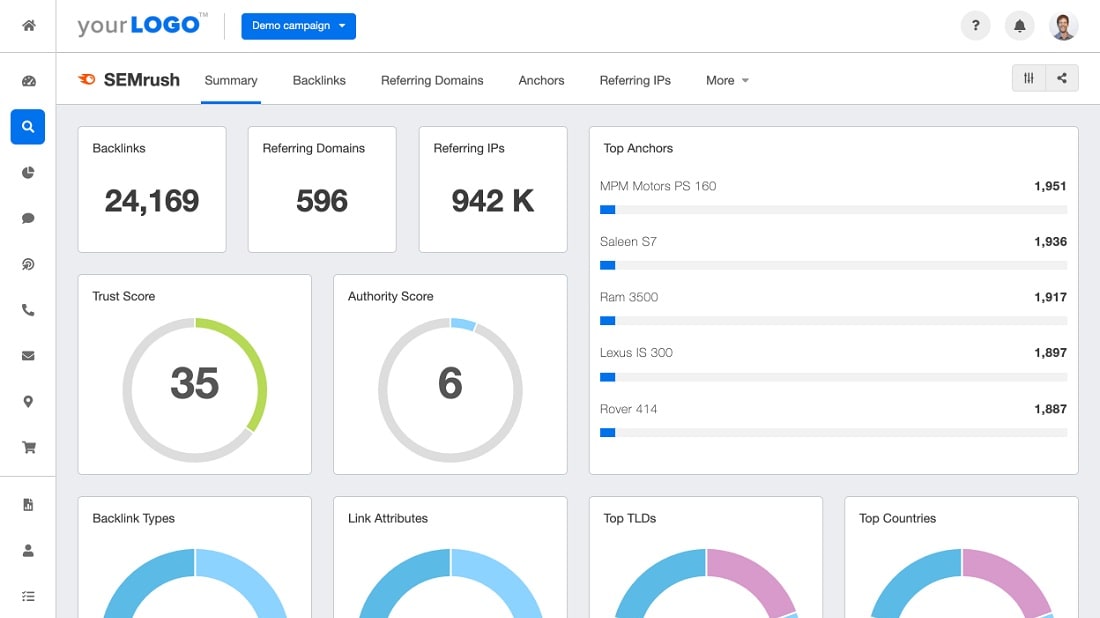
SEMrush's intuitive layout and user-friendly dashboard offer a seamless experience
In the realm of user experience, SEMrush unquestionably surpasses Google Analytics. SEMrush's intuitive layout and user-friendly dashboard offer a seamless experience. Users can effortlessly access crucial metrics and reports at a glance, making it a preferred choice for marketers of all skill levels. For instance, SEMrush's keyword analysis tool simplifies SEO efforts by providing detailed keyword data in an easily digestible format.
Conversely, Google Analytics, while packed with features, can be overwhelming. Its intricate data presentations may necessitate additional time and expertise to navigate effectively. For example, understanding the intricacies of goal tracking or interpreting bounce rate metrics can be daunting for beginners. Therefore, when it comes to ease of use, SEMrush emerges as the clear winner, streamlining data-driven marketing strategies.
Google Analytics Reigns Supreme in Integration Flexibility Compared to Semrush
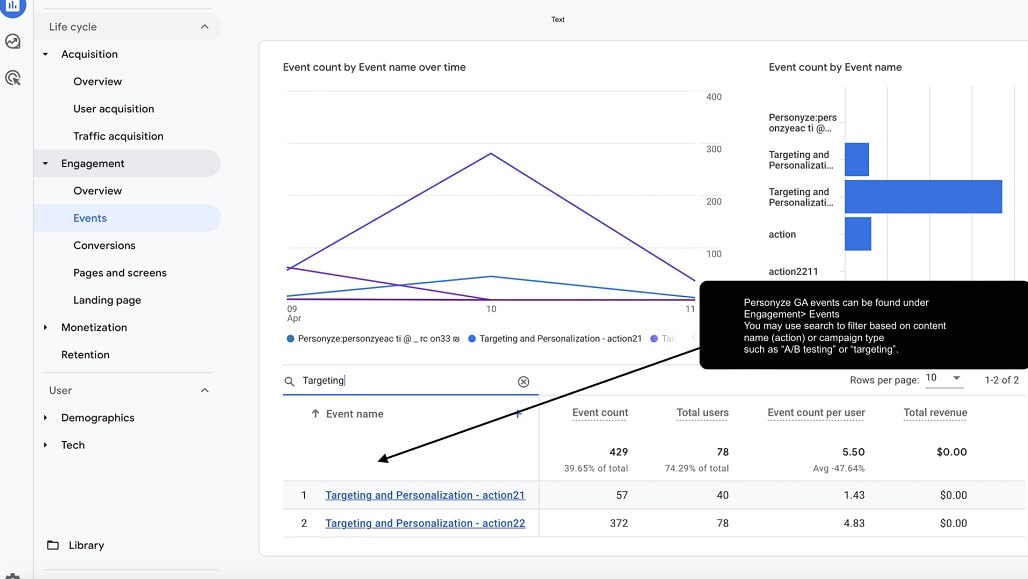
Google Analytics seamlessly integrates with a vast array of services and platforms, including WordPress, HubSpot, Shopify, and more
When it comes to integration capabilities, Google Analytics stands out as the undisputed leader compared to SEMrush. Google Analytics seamlessly integrates with a vast array of services and platforms, including WordPress, HubSpot, Shopify, and more. This extensive integration ecosystem empowers businesses to consolidate data from various sources, offering a holistic view of customer behavior and facilitating more informed decision-making. For instance, with Google Analytics integrated into an e-commerce platform like Shopify, businesses can track not only website traffic but also monitor sales, revenue, and conversion rates in real-time.
In contrast, while SEMrush does offer integration support, its range is comparatively limited compared to Google Analytics. If your business heavily relies on diverse platforms and requires deep insights from multiple data sources, Google Analytics is the tool of choice for unlocking the full potential of data-driven decision-making.
SEMrush's Competitive Analysis Surpasses Google Analytics
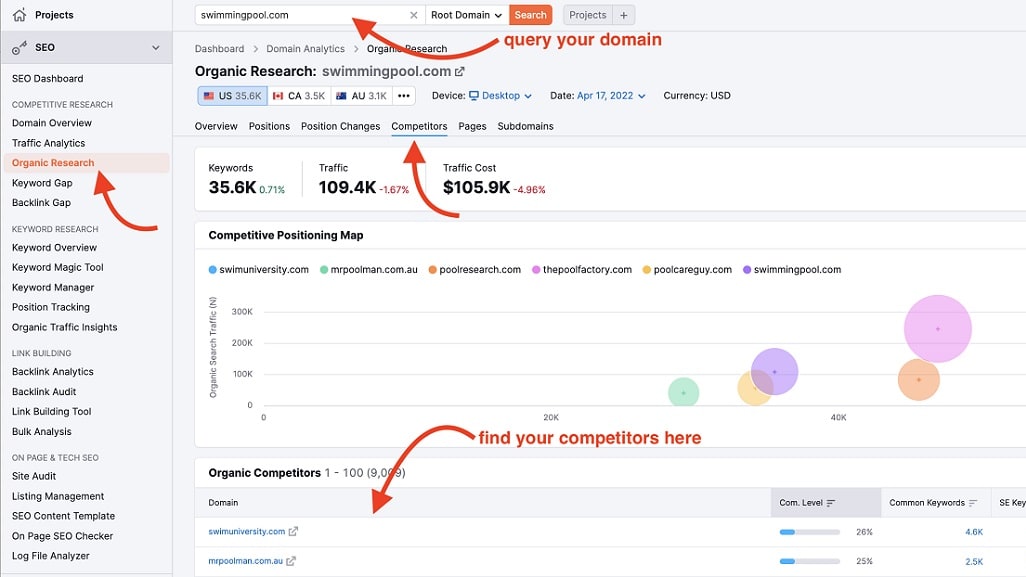
SEMrush takes the lead with its robust feature set for analyzing competitors' marketing strategies and website traffic.
When it comes to gaining a competitive edge, SEMrush takes the lead with its robust feature set for analyzing competitors' marketing strategies and website traffic. This capability goes beyond mere data collection; it offers actionable insights that can significantly benefit businesses. SEMrush enables users to delve deep into their competitors' digital footprint, unveiling strategies and tactics that can inform their own marketing efforts.
For example, SEMrush allows you to identify which keywords are driving the most traffic to your competitors' websites, providing an opportunity to refine your own SEO strategy. Moreover, it exposes potential backlink opportunities by highlighting websites linking to your competitors but not to you, offering a pathway to expand your market presence. On the contrary, Google Analytics lacks this specific feature set, focusing primarily on providing data about your own website's performance.
Google Analytics Delivers In-Depth Audience Insights Beyond SEMrush

Google Analytics emerges as the superior choice for those seeking comprehensive audience insights.
In the realm of web analytics, Google Analytics emerges as the superior choice for those seeking comprehensive audience insights. While SEMrush offers valuable data on visitor interaction with your website, Google Analytics delves even deeper, providing an extensive and granular analysis.
One notable advantage of Google Analytics is its robust audience segmentation capabilities. It allows you to categorize your website visitors based on demographics, behavior, interests, and more. For instance, you can identify specific user groups such as "female visitors aged 25-34 interested in technology" or "users who frequently visit the blog section but never make a purchase." This level of segmentation provides nuanced customer insights, enabling you to tailor marketing strategies and enhance customer experiences with precision.
Google Analytics’s Conversion Funnel Optimization Proves Superior Compared to Semrush

Google Analytics excels by providing a comprehensive toolkit for identifying and maximizing conversion potentials.
In the realm of conversion optimization, Google Analytics excels by providing a comprehensive toolkit for identifying and maximizing conversion potentials. It takes the lead in this area with features that allow businesses to dissect their sales or signup funnels, track conversion rates, and pinpoint areas in need of improvement.
In contrast, SEMrush, while invaluable for SEO and ad campaign optimization, lacks a specific feature tailored to optimizing conversion funnels. Therefore, for businesses seeking to enhance their conversion rates and maximize the effectiveness of their online strategies, Google Analytics stands as the preferred choice, offering indispensable insights for driving conversions and revenue growth.
SEMrush's All-in-One Project Management Advantage Over Google Analytics

SEMrush distinguishes itself with an all-encompassing project management tool that centralizes essential tasks, including SEO, content management, and social media
In the realm of digital marketing and SEO, SEMrush distinguishes itself with an all-encompassing project management tool that centralizes essential tasks, including SEO, content management, and social media. This integrated approach streamlines workflows and significantly enhances productivity, making it a game-changer for marketing teams.
For instance, SEMrush allows users to plan, execute, and track various marketing projects from a single dashboard. This means you can seamlessly coordinate keyword research, content creation, and social media campaigns in one place, fostering collaboration and synergy among team members.
Conversely, Google Analytics primarily focuses on data analytics and lacks the project management capabilities found in SEMrush. While Google Analytics provides invaluable insights into website performance, it doesn't offer the same level of comprehensive project organization and efficiency.
Both Semrush and Google Analytics are Equally Robust for Website Traffic Analysis

SEMrush places a strong emphasis on optimizing website visibility through keyword research and webpage optimization
SEMrush and Google Analytics are both formidable tools for website traffic analysis, each offering distinct approaches and insights. SEMrush places a strong emphasis on optimizing website visibility through keyword research and webpage optimization. For instance, it helps identify high-performing keywords and assesses how well webpages are positioned in search engine results, assisting businesses in attracting targeted traffic.
On the other hand, Google Analytics dives deeper into understanding website visitors. It provides data on user demographics, behavior, and engagement. For example, it can reveal the geographical locations of visitors, their device preferences, and even the specific pages they interact with the most.
08 Semrush vs Google Analytics: Which is the best for your business?
Semrush is the best tool for you if:
- You're seeking comprehensive SEO insights, from keyword research to competitive analysis, streamlining your digital marketing strategy.
- You require in-depth website audits, identifying optimization areas, ensuring your site performs at its peak potential.
- You're planning content marketing initiatives and need topic suggestions, content gaps, and performance tracking for maximum reach.
- You value multi-platform integration, looking for seamless compatibility with other marketing tools, enhancing workflow efficiency.
- You're interested in paid advertising analysis, gaining insights into competitors' campaigns, and optimizing your ad spend.
 You're seeking comprehensive SEO insights, from keyword research to competitive analysis, streamlining your digital marketing strategy.
Google Analytics is the best tool for you if:
- You're seeking in-depth website traffic insights, understanding visitor behavior, and measuring user engagement comprehensively.
- You prioritize conversion tracking, analyzing the effectiveness of your sales funnels, and optimizing return on investment.
- You appreciate custom reports, allowing granular data filtering and visualization tailored to your specific business needs.
- You aim for seamless integration with other Google services, streamlining digital marketing initiatives and ad campaign evaluations.
- You value audience segmentation, diving deep into demographic, behavior, and acquisition data for targeted marketing strategies.
Semrush
Be more visible in search results and increase qualified traffic
14 days free on Semrush One
Save up to $274
09 Alternatives to Semrush & Google Analytics

Slack
Used by 3922 members
25% off new plan purchases
Save up to $9,000

HubSpot
Used by 2892 members
90% off the Professional and Enterprise plans for 1 year
Save up to $7,000

Used by 1415 members
Spend $250, get $250 FREE ad credit
Save up to $250

Hootsuite
Used by 1093 members
First month free + 50% off the annual Standard plan
Save up to $600
10 Promotions on SEO and Data Analytics software
Semrush and Google Analytics are great tools, but Secret offers promo codes with discounts on over 2230+ different SaaS solutions. New deals are added regularly, helping you save money on your online subscriptions. Get access to codes for other SEO and Data Analytics software you might want to purchase

SerpApi coupon code
50% off for 12 months

Mixpanel discounts
1 year free

Surfer promo code
Additional 10% off annual plans

Hotjar coupon code 2026
40% off all annual plans

Moz free credits
25% off annual plans for 1 year

Google Cloud (GCP) coupon
$2,000 in credits for 1 year if you never raised funds // $350,000 in credits for 2 years if you did

Topic promo code
40% off for 3 months

Google Ads free credits
Spend $500, get $500 // Spend $1,000, get $750 // Spend $1,500, get $1,000 in FREE ad credit

WordPress.com discount code
30% off all monthly plans

Amplitude discount
3 months free on the Plus plan
Start saving on the best SaaS
Secret has already helped tens of thousands of startups save millions on the best SaaS like Microsoft Teams, Google Workspace & many more. Join Secret now to buy software the smart way.