


Cloud computing platforms enable businesses to tailor technological solutions to their unique needs via a combination of products for storage, AI, and security. Given the scope and scale of their offerings, cloud computing services are usually a significant investment for a business. That’s why it’s essential to familiarize yourself with the market, what’s available, and what each platform offers so you can choose the best one for your business.
In this article, we compare two leading providers—Microsoft Azure vs Google Cloud. By stepping through their main features and product offerings, you’ll have a clearer understanding of what differentiates them and which one may better meet your requirements.
- 01 Microsoft Azure vs Google Cloud (GCP): overview
- 02 What's the difference between Microsoft Azure and Google Cloud (GCP)?
- 03 Microsoft Azure pros and cons
- 04 Google Cloud (GCP) pros and cons
- 05 Microsoft Azure compared to Google Cloud (GCP)
- 06 Google Cloud (GCP) compared to Microsoft Azure
- 07 Features comparison
- 08 Microsoft Azure vs Google Cloud (GCP): Which is the best for your business?
- 09 Alternatives to Microsoft Azure & Google Cloud (GCP)
- 10 Promotions on AI Development software
Start saving on the best SaaS
Secret has already helped tens of thousands of startups save millions on the best SaaS like Microsoft Teams, Google Workspace & many more. Join Secret now to buy software the smart way.

01 Microsoft Azure vs Google Cloud (GCP): overview
Microsoft Azure and Google Cloud are heavyweight contenders in the cloud computing arena, each providing an extensive range of services and solutions. Deciding between these two cloud giants can be daunting, given their robust features and sprawling infrastructures.
To assist in your evaluation, we've constructed a detailed comparison table that sheds light on the main characteristics of Microsoft Azure and Google Cloud. With a star-based rating system coupled with thoughtful analyses, this table is designed to equip you with the pivotal information needed to make a well-grounded selection for your cloud computing requirements.
Whether your focus is on virtual machines, data analytics, AI capabilities, or container orchestration, our comparison will guide you through the Azure vs Google Cloud debate and aid you in pinpointing the platform that resonates most with your particular technological aspirations.

Customer Support
Azure’s service support options include a free basic plan, with paid plans starting at $29/month. Google Cloud’s start at $29/month + 3% of monthly charges.

Microsoft Azure
Google Cloud (GCP)
Pricing Plan
Both platforms operate a pay-as-you-go model, with products priced individually. Their websites have pricing calculators to help you estimate costs.
Microsoft Azure
Google Cloud (GCP)
Integrations
Azure offers 6 integration products, including Logic Apps and Service Bus. Google Cloud has 10 integration services products such as Workflows and Application Integration.
Microsoft Azure
Google Cloud (GCP)
Reliability
Both platform’s service level agreements state a monthly uptime of 99.9% for several products. They also provide real-time status updates on their websites.
Microsoft Azure
Google Cloud (GCP)
Storage
Both offer several storage products. Azure’s size limit is 4.75 TB, while Google Cloud’s is 5TB.
Microsoft Azure
Google Cloud (GCP)
Ease of Use
Azure’s documentation is especially straightforward for Microsoft users to follow. Google Cloud’s is similarly user-friendly.
Microsoft Azure
Google Cloud (GCP)
Availability zones
Azure has 160+ availability zones across 43+ geographic regions, while Google Cloud is available in over 200 countries across 35 regions.
Microsoft Azure
Google Cloud (GCP)
Security
Azure has a dedicated Trust Center for security; Google Cloud similarly has dedicated security and privacy teams. Both platforms offer a range of security products.
Microsoft Azure
Google Cloud (GCP)
Range of products
Azure offers 200+ products across 19+ categories, while Google Cloud has 100+ products. Product categories include analytics, networking, storage, migration, and AI and machine learning.
Microsoft Azure
Google Cloud (GCP)
Customer Reviews
Both receive largely positive reviews. For example, Azure has a 4.6 Capterra rating, while Google Cloud has a 4.7 rating.
Microsoft Azure
Google Cloud (GCP)
02 What's the difference between Microsoft Azure and Google Cloud (GCP)?

A Table Showing Microsoft Azure’s Support Plans with their Respective Case Severity and Response Times
Microsoft Azure
Empowering your cloud journey with Microsoft Azure

A Table Showing Google Cloud’s Support Plans with their Respective Initial Response Times Highlighted
Google Cloud (GCP)
Google Cloud helps you accelerate your business transformation by giving you the cloud services you need.
Microsoft Azure and Google Cloud are two market leaders in the cloud computing space, offering a wide range of technological solutions for businesses of all sizes. Both have a strong reputation for delivering reliable services. While these platforms share many similar products, it’s worth noting that Google Cloud strongly focuses on AI solutions, while Azure is renowned for its enterprise-orientated solutions. Google Cloud uses advanced Deep Learning models to power its AI solutions. Its TensorFlow open-source software library has a good reputation among developers. Azure excels with hybrid cloud and on-premises solutions and is ideal for existing Microsoft enterprise users.
One pivotal difference between Azure and Google Cloud is their support plans. Google Cloud offers Basic support to all customers plus three paid support plans - Standard, Enhanced, and Premium. The Standard plan costs $29/month + 3% of your monthly charges, offering service reponses during business hours. The Enhanced plan, priced at $500/month + 3% of your monthly charges, includes 24/7 response for critical issues. The Premium plan, at $12,500/month + 4% of your monthly charges, also offers 24/7 response for critical issues and quicker initial response times. Google Cloud’s top-tier support plans are available in English, Chinese, Japanese, Mandarin, and Korean.
Microsoft Azure’s basic support plan is available to all customers without additional cost. It includes 24/7 access to self-support resources, community support, and online help tickets. Azure also offers three paid support plans—Developer, Standard, and Professional Direct. The Developer plan costs $29/month and gives you access to email technical support during business hours. The Standard plan, at $100/month, includes 24/7 email and phone support. The Professional Direct plan, priced at $1,000/month, offers 24/7 access to email and phone support plus training.

Microsoft Azure
Used by 2795 members
$5,000 in credits for 6 months if you didn't raise funds // Up to $150,000 in credits for 2 years if you did
Save up to $150,000

Google Cloud (GCP)
Used by 11905 members
$2,000 in credits for 1 year if you never raised funds // $350,000 in credits for 2 years if you did
Save up to $350,000
03 Microsoft Azure pros and cons
What are the advantages of Microsoft Azure?
- Integration with Microsoft products: Azure seamlessly integrates with other Microsoft products such as Windows Server, Active Directory, and SQL Server. This is especially advantageous for businesses that already rely on Microsoft's software suite.

- Hybrid capability: Azure offers a consistent platform that facilitates easy mobility between on-premises and the public cloud. This hybrid capability is attractive for organizations that want to maintain some data in-house while utilizing the cloud for other tasks.
- Advanced security: Microsoft invests heavily in security and compliance, offering integrated security services such as Azure Security Center and Azure Active Directory. Additionally, Microsoft meets a broad set of international and industry-specific compliance standards.
- Diverse set of tools and services: Azure provides a wide array of services including solutions for AI, machine learning, analytics, and Internet of Things (IoT), allowing businesses to create versatile and scalable solutions.
- Flexible pricing: Azure offers a pay-as-you-go pricing model which can be cost-effective for businesses, especially for startups and SMEs. They also provide a cost management tool to monitor and control expenditures.
What are the disadvantages of Microsoft Azure?
- Complexity: While Azure offers a multitude of services, the vastness of its offerings can be overwhelming for newcomers. It can have a steeper learning curve compared to some other cloud providers.

- Documentation: Though improving, Azure's documentation has been critiqued for not always being as comprehensive or as user-friendly as it could be.
- Outages: Like all cloud services, Azure has had its share of outages. Although they work diligently to maintain uptime, occasional disruptions can be a concern for some businesses.
- Latency issues: Depending on the region and the specific services used, some users have reported latency issues with Azure, which can impact real-time processes and applications.
- Tooling and service inconsistencies: Given the rapid development and deployment of new features and services, there can sometimes be inconsistencies in tooling and service capabilities across different regions or services.
Compare Microsoft Azure to other tools


Microsoft Azure vs Microsoft SharePoint

DigitalOcean vs Microsoft Azure

Microsoft Azure vs AWS Activate

Microsoft Azure vs OneDrive

Microsoft Azure vs Microsoft 365

Snowflake vs Microsoft Azure
04 Google Cloud (GCP) pros and cons
What are the advantages of Google Cloud (GCP)?
- Global network infrastructure: Google's vast network infrastructure spans the globe, providing high-speed and low-latency connections. This is advantageous for applications and services that require geographic distribution and low-latency access.
- Data analytics and machine learning: GCP offers powerful data analytics and machine learning tools, including BigQuery and TensorFlow. These tools are particularly well-regarded for their performance and scalability in handling large datasets.
- Serverless computing: Google Cloud provides serverless computing solutions like Google Cloud Functions and Google Kubernetes Engine (GKE) Autopilot. These services abstract server management, making it easier to deploy and scale applications without worrying about infrastructure.
- Container orchestration with Kubernetes: GKE, Google's managed Kubernetes service, is highly regarded for its ease of use and scalability. It's a popular choice for containerized applications.
- Security and compliance: Google Cloud offers robust security features and compliance certifications, making it suitable for industries with strict security and regulatory requirements. Google's global security team continuously monitors and improves security measures.
What are the disadvantages of Google Cloud (GCP)?
- Complex pricing structure: Google Cloud's pricing can be complex to understand, particularly for users who are new to cloud services. It may require careful monitoring and management to avoid unexpected costs.
- Smaller market share: Google Cloud has a smaller market share compared to Amazon Web Services (AWS) and Microsoft Azure. This could result in fewer third-party integrations or community resources compared to the larger competitors.
- Less mature ecosystem: While GCP has a wide range of services, its ecosystem is still evolving and may not be as mature as AWS or Azure in some areas.
- Limited enterprise focus: Some enterprises may perceive Google Cloud as more focused on startups and digital-native companies, potentially impacting its appeal for larger, traditional organizations.
- Customer support: Google's customer support for GCP has been criticized for being less responsive compared to AWS and Azure. Users may need to rely more on self-service resources or premium support plans.
Compare Google Cloud (GCP) to other tools


Google Cloud (GCP) vs Cloudflare
DigitalOcean vs Google Cloud (GCP)
Google Cloud (GCP) vs AWS Activate

Google Cloud (GCP) vs Firebase

Google Cloud (GCP) vs Google Drive

Google Cloud (GCP) vs IBM Cloud
05 Microsoft Azure compared to Google Cloud (GCP)
When comparing Microsoft Azure and Google Cloud, each platform has its own distinctive strengths and focus areas.
Microsoft Azure is known for its seamless integration with Microsoft products, making it a natural choice for organizations heavily invested in the Microsoft ecosystem. Azure provides a comprehensive suite of services and tools, including Windows Server, Active Directory, and SQL Server, making it an excellent choice for businesses seeking an integrated and consistent cloud solution. Azure's hybrid capabilities also allow for smooth transitions between on-premises and cloud environments.
The choice between Microsoft Azure and Google Cloud depends on your organization's specific requirements, existing technology stack, and strategic objectives. Azure offers a strong integration with Microsoft products and hybrid capabilities, while Google Cloud excels in data analytics and global network infrastructure.
Is Microsoft Azure better than Google Cloud (GCP)?
 Is Microsoft Azure better than Google Cloud (GCP)?
Choosing between Microsoft Azure and Google Cloud depends on your specific business needs and priorities. Microsoft Azure's strengths lie in its hybrid capabilities and comprehensive toolset, which make it suitable for businesses looking to bridge their on-premises infrastructure with the cloud. Google Cloud excels in providing high-speed, low-latency connections, making it ideal for applications that demand geographic distribution and real-time responsiveness.
Google Cloud, on the other hand, stands out for its global network infrastructure and exceptional data analytics and machine learning tools, such as BigQuery and TensorFlow. If your focus is on harnessing the power of data and AI, Google Cloud might be the better fit.
What is Microsoft Azure best used for?
Microsoft Azure, similarly, stands out as a powerful and versatile cloud computing platform designed to meet a wide range of business and technical requirements. It excels as a scalable infrastructure solution, allowing organizations to deploy and manage virtual machines, storage resources, and networking components with ease.
Furthermore, Azure serves as a robust platform for hosting web applications and services, supporting businesses in delivering reliable and highly available digital experiences to their customers. Whether you're a startup looking to scale your IT infrastructure, an enterprise seeking to harness the power of big data, or a developer building cutting-edge applications, Microsoft Azure's adaptable and comprehensive cloud services can be tailored to suit your specific needs.
Can Microsoft Azure replace Google Cloud (GCP)?
Microsoft Azure and Google Cloud are both powerful cloud computing platforms, but whether Microsoft Azure can replace Google Cloud depends on your specific needs and use cases. If your primary use case revolves around cloud-based services, such as hosting applications, data processing, and machine learning, Microsoft Azure can be a strong choice. Azure offers a wide range of services and tools for these purposes and has a robust infrastructure to support various computing workloads.
Google Cloud and Microsoft Azure each have their unique strengths and capabilities. Google Cloud is known for its expertise in data analytics, machine learning, and big data processing, making it a preferred choice for organizations heavily invested in these areas. Google Cloud also offers Google Kubernetes Engine (GKE), a powerful platform for container orchestration, which is favored by many developers. On the other hand, Microsoft Azure has a strong presence in the enterprise market and offers seamless integration with Microsoft's suite of productivity tools, such as Office 365 and Microsoft 365. This integration can be advantageous for organizations already using Microsoft products and seeking a cohesive cloud solution.
In summary, while Microsoft Azure can provide a robust cloud computing platform, whether it can replace Google Cloud depends on your specific requirements and the unique strengths of each platform. It's advisable to assess your organization's needs, consider the strengths of both platforms, and potentially use them in combination to meet your various cloud computing needs effectively.
Is Microsoft Azure cheaper than Google Cloud (GCP)?
When considering the pricing of cloud services, Microsoft Azure and Google Cloud both have their own cost structures and advantages depending on your specific needs and usage patterns.
Microsoft Azure’s pricing offers a pay-as-you-go pricing model, providing flexibility and cost control, which can be advantageous for businesses of all sizes. Azure also often runs promotions and offers credits to new users, making it more accessible for those looking to explore cloud services. Google Cloud, on the other hand, is known for its competitive pricing in areas such as data storage and big data analytics.
The cost comparison between Microsoft Azure and Google Cloud depends on factors like the type of workloads you run, your usage patterns, and your ability to optimize resource allocation. To determine which cloud provider is more cost-effective for your organization, it's essential to perform a detailed cost analysis based on your specific requirements and usage patterns. Both platforms provide cost calculators to help estimate expenses accurately.
Is there a better AI Development software than Microsoft Azure?
Choosing the right cloud computing platform depends on a thorough assessment of your organization's specific requirements and objectives.
While Microsoft Azure is a robust and versatile cloud solution, there are other cloud providers to be considered. Amazon Web Services (AWS), Google Cloud Platform (GCP), IBM Cloud, and Oracle Cloud all offer competitive alternatives to Microsoft Azure’s platform. Each cloud provider has its own strengths and areas of specialization, so your choice should be guided by your organization's unique needs, existing technology stack, and long-term objectives.

Microsoft Azure
Premium
Empowering your cloud journey with Microsoft Azure
$5,000 in credits for 6 months if you didn't raise funds // Up to $150,000 in credits for 2 years if you did
Save up to $150,000
06 Google Cloud (GCP) compared to Microsoft Azure
When comparing Google Cloud and Microsoft Azure, each cloud platform has its distinctive strengths and focus areas.
Google Cloud is renowned for its high-speed global network infrastructure, making it an ideal choice for applications requiring low-latency access and geographic distribution. It excels in data analytics and machine learning with services like BigQuery and TensorFlow, catering to organizations looking to harness the power of data and artificial intelligence.
The choice between Google Cloud and Microsoft Azure should align with your organization's specific requirements, existing technology stack, and strategic goals. Google Cloud is well-suited for applications requiring a global network and data analytics, while Microsoft Azure excels in integration with Microsoft products and hybrid cloud management.
Is Google Cloud (GCP) better than Microsoft Azure?
Deciding whether Google Cloud is better than Microsoft Azure depends on your specific business requirements and priorities.
Google Cloud's strength lies in its advanced data analytics capabilities, while Azure's hybrid capabilities and comprehensive toolset make it appealing to businesses looking to bridge their on-premises infrastructure with the cloud. Ultimately, the choice between Google Cloud and Microsoft Azure should be guided by your organization's specific needs, existing technology stack, and strategic goals. Google Cloud excels in global network infrastructure and data analytics, while Microsoft Azure stands out in integration with Microsoft products and hybrid cloud management.
What is Google Cloud (GCP) best used for?
Google Cloud stands out as a comprehensive cloud computing platform ideally suited for a wide array of business and technology needs. It excels as a robust infrastructure solution, empowering organizations to deploy and manage virtual machines, storage resources, and networking components seamlessly.
Furthermore, Google Cloud serves as a powerful platform for hosting web applications and services, enabling businesses to deliver reliable and scalable digital experiences to their users. Whether you're a startup looking to scale your digital infrastructure, an enterprise striving to harness the power of data and machine learning, or a developer building cutting-edge applications, Google Cloud's flexible and extensive cloud services can be tailored to meet your specific objectives.
Can Google Cloud (GCP) replace Microsoft Azure?
Whether Google Cloud can replace Microsoft Azure depends on your specific needs and use cases. Google Cloud and Microsoft Azure are both major cloud computing platforms, each with its own set of features and strengths.
Microsoft Azure and Google Cloud have different strengths. Microsoft Azure is known for its strong integration with Microsoft's suite of products, making it a popular choice for organizations heavily invested in Microsoft technologies. Google Cloud, on the other hand, excels in areas like data analytics, machine learning, and big data processing. Assess your specific use cases and requirements to see which platform aligns better with your needs. Compare the pricing structures of both platforms and evaluate how they align with your budget and cost considerations. Different services and configurations may have varying costs, so it's essential to perform a cost analysis based on your specific requirements.
While Google Cloud can be a robust cloud computing platform, whether it can replace Microsoft Azure depends on your organization's specific needs, existing ecosystem, technical expertise, budget, and use cases. Carefully evaluate these factors to determine which platform is the best fit for your requirements.
Is Google Cloud (GCP) cheaper than Microsoft Azure?
Determining whether Google Cloud is cheaper than Microsoft Azure requires a detailed analysis of your organization's specific cloud usage and requirements.
Google Cloud offers competitive pricing with various flexible billing options, including pay-as-you-go and committed use discounts. It's known for competitive pricing in areas such as data storage and big data analytics. Google Cloud's per-minute billing can also be advantageous for workloads that run for short durations.
Microsoft Azure, on the other hand, has a similar pay-as-you-go pricing model and often runs promotions and offers credits to new users. Azure offers cost-effective solutions for Windows-based workloads due to its tight integration with Windows Server and SQL Server. The cost comparison between Google Cloud and Microsoft Azure will depend on factors such as the type of workloads you run, the region in which you operate, and your ability to optimize resource allocation.
Is there a better Cloud Computing software than Google Cloud (GCP)?
Choosing the right cloud computing platform depends on your organization's specific needs and operational preferences.
While Google Cloud is a robust and versatile cloud solution, there are alternative cloud providers like Amazon Web Services (AWS), Microsoft Azure, Heroku, OVHcloud and IBM Cloud that offer competitive alternatives to Google Cloud’s platform. Each cloud provider has its own strengths and areas of specialization, so your choice should be guided by your organization's unique requirements, existing technology stack, and long-term objectives.

Google Cloud (GCP)
Premium
Cloud services by Google
$2,000 in credits for 1 year if you never raised funds // $350,000 in credits for 2 years if you did
Save up to $350,000
07 Features comparison
Google Cloud Stands Out with a Wider Range of Third-Party App Integrations Compared to Microsoft Azure

Google Cloud boasts robust and dependable support for a diverse range of open-source systems, empowering businesses to harness the capabilities of these platforms in their day-to-day operations.
When assessing integration capabilities, Google Cloud emerges as a formidable competitor to Microsoft Azure. Microsoft Azure indeed excels in its seamless integration with other Microsoft products such as Office 365, SharePoint, and Dynamics CRM, making it the natural choice for organizations deeply entrenched in the Microsoft ecosystem. Nevertheless, Google Cloud shines particularly in the realm of open-source integrations.
Google Cloud boasts robust and dependable support for a diverse range of open-source systems, empowering businesses to harness the capabilities of these platforms in their day-to-day operations. Furthermore, Google Cloud's suite of AI and machine learning tools has garnered high praise from data scientists due to their advanced functionalities and ease of integration. In summary, Google Cloud stands out for its versatility and open-source compatibility, offering a compelling alternative for organizations seeking flexible and powerful integration solutions beyond the Microsoft ecosystem.
Microsoft Azure Excels in Hybrid Capabilities Over Google Cloud

Azure's distinctive advantage resides in its exceptional hybrid capabilities, distinguished by its seamless integration with on-premises data centers.
Azure's distinctive advantage resides in its exceptional hybrid capabilities, distinguished by its seamless integration with on-premises data centers. This unique attribute empowers organizations to effortlessly implement hybrid cloud deployments, capitalizing on their pre-existing infrastructure investments with remarkable efficiency.
While Google Cloud also extends services in the hybrid cloud domain, Azure's array of comprehensive solutions amplifies its supremacy in this regard. Azure's holistic approach to hybrid cloud deployments is a key differentiator, allowing businesses to strike a harmonious balance between their on-premises and cloud-based operations.
Google Cloud Provides Superior Machine Learning and AI Capabilities than Microsoft Azure

Google's long-standing commitment to AI research and innovation translates into cutting-edge solutions that enable businesses to harness the full potential of artificial intelligence for a myriad of use cases.
Google Cloud has established itself as a prominent player in machine learning and artificial intelligence, offering an extensive array of machine learning and AI services, including AutoML, AI Platform, and TensorFlow. These services empower businesses to engage in the development, training, and deployment of machine learning models for a diverse spectrum of applications.
While Microsoft Azure also provides comparable services in the realm of machine learning and AI, Google's profound expertise and leadership in the field endow its platform with a distinctive edge in terms of advancement and versatility. Google's long-standing commitment to AI research and innovation translates into cutting-edge solutions that enable businesses to harness the full potential of artificial intelligence for a myriad of use cases.
Microsoft Azure Has an Advantage Over Google Cloud with its User-Friendly Interface
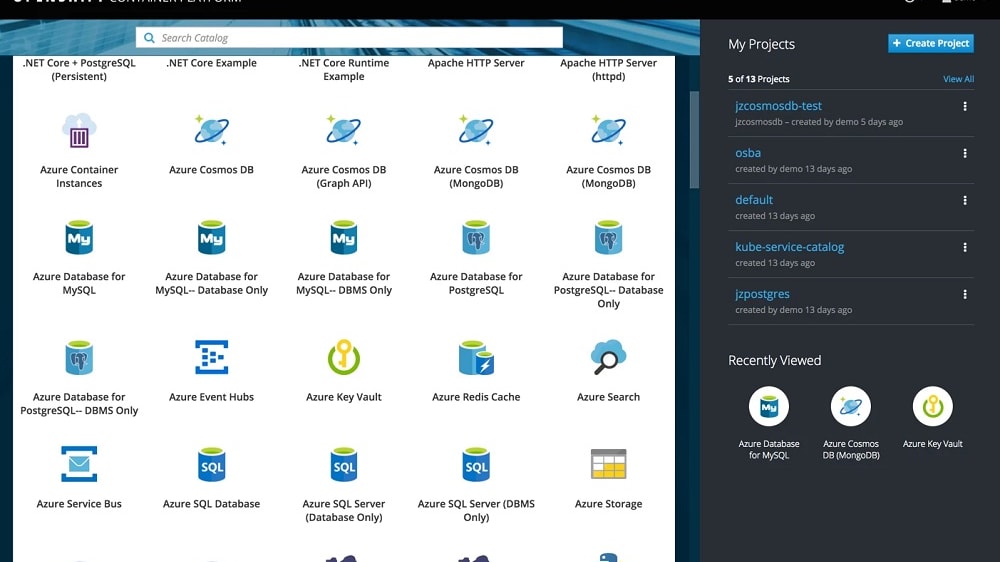
Microsoft Azure's interface is thoughtfully designed with simplicity and intuitive navigation in mind
Microsoft Azure surpasses Google Cloud in terms of user-friendliness. Microsoft Azure's interface is thoughtfully designed with simplicity and intuitive navigation in mind, making it exceptionally accessible to users, especially those new to cloud computing. This user-centric approach fosters quick acclimation to the platform.
Conversely, while Google Cloud boasts a well-organized interface, it tends to be perceived as more complex, particularly for individuals venturing into the realm of cloud computing for the first time. The platform's learning curve can present an initial challenge for some users, making Microsoft Azure the preferred choice for those prioritizing user-friendliness and a smooth onboarding experience.
Microsoft Azure Proves More Flexible than Google Cloud

However, when it comes to programming diversity, Microsoft Azure truly stands out.
In today's rapidly evolving technological landscape, the need for adaptable programming environments is paramount for businesses striving to stay ahead of the curve. In this regard, both Microsoft Azure and Google Cloud play pivotal roles, providing a wide array of language support. However, when it comes to programming diversity, Microsoft Azure truly stands out.
Azure excels in offering users an expansive spectrum of programming languages, frameworks, and operating systems for application development and deployment. This unparalleled flexibility positions Azure as an exceptional choice for teams operating within a diverse technological stack. Whether it's Java, Python, .NET, or numerous other languages, Azure's comprehensive support ensures that developers have the tools they need to bring their visions to life.
Google Cloud Provides Superior Big Data and Analytics Capabilities Compared to Microsoft Azure
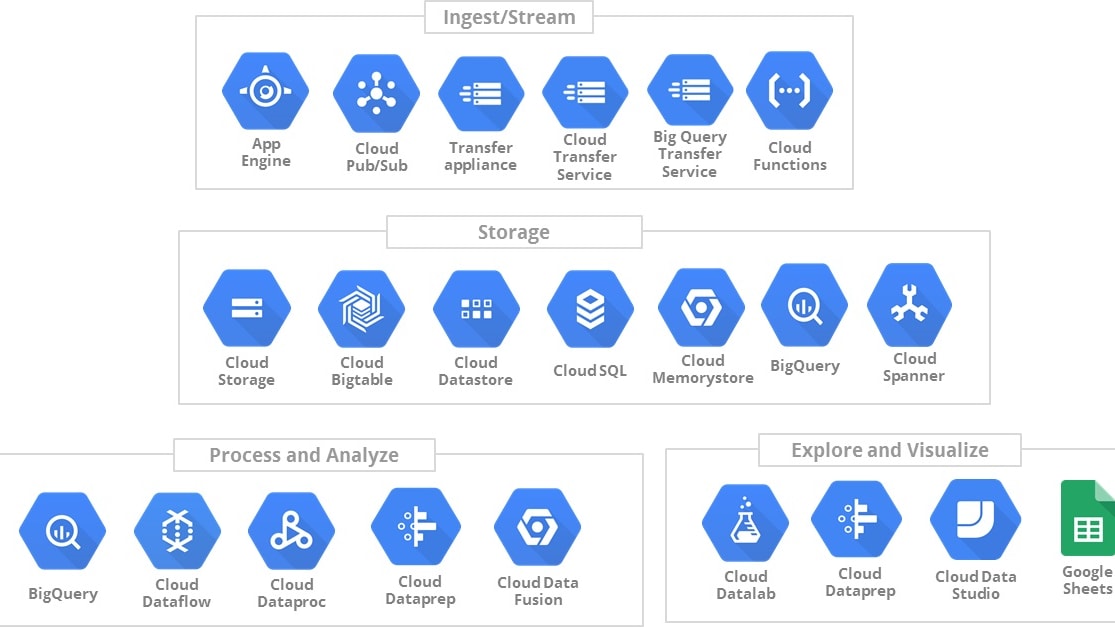
Google Cloud's arsenal includes BigQuery for efficient data warehousing, Dataflow for the seamless handling of both stream and batch data processing, and Dataprep for agile and precise data preparation.
In big data and analytics, Google Cloud emerges as a standout contender, boasting a robust and all-encompassing suite of tools that place it at the forefront of data processing capabilities. Google Cloud's arsenal includes BigQuery for efficient data warehousing, Dataflow for the seamless handling of both stream and batch data processing, and Dataprep for agile and precise data preparation.
These tools collectively equip businesses with the means to process colossal volumes of data swiftly and with exceptional efficiency. In contrast, when pitted against Google Cloud's data analytics prowess, Microsoft Azure's offerings may fall short in terms of sheer speed and streamlined data handling.
Microsoft Azure and Google Cloud Offer Similar Levels of Security and Compliance

Security takes center stage as an imperative concern, given the rising threat of cyberattacks
Security takes center stage as an imperative concern, given the rising threat of cyberattacks. Microsoft Azure and Google Cloud have recognized the gravity of this issue and have responded with robust security measures, identity management solutions, and a wealth of compliance certifications to safeguard valuable data.
Both Azure and Google Cloud have prioritized security across the board. They employ cutting-edge encryption techniques to shield data from unauthorized access and breaches, thereby ensuring the confidentiality and integrity of sensitive information. Additionally, both platforms have invested heavily in achieving and maintaining a wide array of regulatory compliance certifications, attesting to their commitment to providing secure environments for mission-critical data.
08 Microsoft Azure vs Google Cloud (GCP): Which is the best for your business?
Microsoft Azure is the best tool for you if:
- You’re an existing Microsoft user and you want a solution that integrates seamlessly with the Microsoft products in your current tech stack.
- You’re seeking a hybrid solution that harnesses the power of both on-premises and the public cloud and offers a seamless transition between both.
- You want a highly adaptable platform that covers a broad range of product categories, programming languages, frameworks, and operating systems to support application development and deployment.
- An intuitively designed user interface is crucial, especially if accessibility for beginners is a key consideration.
- Your enterprise requires a scalable infrastructure solution that can adapt to your evolving business needs.
 You’re an existing Microsoft user and you want a solution that integrates seamlessly with the Microsoft products in your current tech stack.
Google Cloud (GCP) is the best tool for you if:
- You’re interested in advanced AI solutions, especially data analytics and machine learning tools, for developing applications tailored to your business needs.
- Your business requires a data and analytics-focused cloud computing platform to streamline the warehousing, processing, and preparation of large volumes of data.
- High-speed, low-latency connections and global distribution are essential for your applications, with a robust, global network infrastructure at your disposal.
- You prefer a platform with various open-source integrations to facilitate connections with solutions outside the Microsoft ecosystem.
- You’re in the market for a serverless computing solution to streamline application deployment and scaling without needing to set up complex infrastructure.
Microsoft Azure
Used by 2795 members
$5,000 in credits for 6 months if you didn't raise funds // Up to $150,000 in credits for 2 years if you did
Save up to $150,000
Google Cloud (GCP)
Used by 11905 members
$2,000 in credits for 1 year if you never raised funds // $350,000 in credits for 2 years if you did
Save up to $350,000
09 Alternatives to Microsoft Azure & Google Cloud (GCP)

DigitalOcean
Used by 7570 members

AWS Activate
Used by 6249 members
Up to $100,000 in credits or 20-50% off your monthly spend through an AWS partner (must be spending $100+/month)
Save up to $300,000

Slack
Used by 3976 members
25% off new plan purchases
Save up to $9,000

OVHcloud
Used by 1804 members
€10,000 in credits for 1 year
Save up to $10,000
10 Promotions on AI Development and Cloud Computing software
Microsoft Azure and Google Cloud (GCP) are great tools, but Secret offers promo codes with discounts on over 2240+ different SaaS solutions. New deals are added regularly, helping you save money on your online subscriptions. Get access to codes for other AI Development and Cloud Computing software you might want to purchase

Webflow discounts
40% off annual plans
AWS Activate promo code 2026
Up to $100,000 in credits or 20-50% off your monthly spend through an AWS partner (must be spending $100+/month)

GitLab coupon
12 months free on the Ultimate license
OVHcloud promotion
€10,000 in credits for 1 year

Deal for Animoto
50% off annual plans

Discount for Cloudways
30% off for 3 months

JetBrains free credits
6 months free + 50% off all JetBrains tools (up to 10 licences)

Code for Cloudflare
$10,000 in credits for self-funded startups // $350,000 in credits funded startups

Fathom AI coupon code
First month free on the Premium plan

Scalingo promo
€1,000 in credits for 6 months
Start saving on the best SaaS
Secret has already helped tens of thousands of startups save millions on the best SaaS like Microsoft Teams, Google Workspace & many more. Join Secret now to buy software the smart way.