


Streamlining your cloud infrastructure is crucial for maximizing efficiency and staying competitive in today's digital landscape. However, navigating the plethora of cloud service providers can be overwhelming. That's where a comparison between IBM Cloud and AWS becomes invaluable.
IBM Cloud and AWS are two of the leading players in the cloud computing arena, each offering a range of services tailored to businesses of all sizes. In this article, we delve into the features, pricing models, and key distinctions between IBM Cloud and AWS. By carefully evaluating these aspects, you can make an informed decision about which platform best suits your organization's needs.
- 01 IBM Cloud vs AWS Activate: overview
- 02 What's the difference between IBM Cloud and AWS Activate?
- 03 IBM Cloud pros and cons
- 04 AWS Activate pros and cons
- 05 IBM Cloud compared to AWS Activate
- 06 AWS Activate compared to IBM Cloud
- 07 Features comparison
- 08 IBM Cloud vs AWS Activate: Which is the best for your business?
- 09 Alternatives to IBM Cloud & AWS Activate
- 10 Promotions on Cloud Storage software
Start saving on the best SaaS
Secret has already helped tens of thousands of startups save millions on the best SaaS like Microsoft Teams, Google Workspace & many more. Join Secret now to buy software the smart way.

01 IBM Cloud vs AWS Activate: overview
IBM Cloud and AWS stand out as two of the most prominent contenders in the realm of cloud computing services, each offering a distinct array of features tailored to cater to diverse business requirements.
IBM Cloud is renowned for its robust infrastructure and wide range of services, including AI and machine learning capabilities, blockchain solutions, and extensive data analytics tools. It emphasizes hybrid cloud deployments, enabling seamless integration between on-premises and cloud environments. On the other hand, AWS, Amazon's cloud computing arm, is celebrated for its vast global infrastructure, extensive service catalog, and strong focus on scalability and reliability. With offerings such as Amazon EC2, S3, and Lambda, AWS provides a comprehensive suite of cloud solutions to support businesses of all sizes and industries.
In this comparison of IBM Cloud vs. AWS, we'll explore the key features, pricing structures, and distinguishing factors of each platform to help you determine the optimal choice for your organization's cloud computing needs.

Ecosystem & community
AWS has a larger developer community, more extensive partner network, and a broader marketplace for third-party solutions.

IBM Cloud
AWS Activate
Ease of Use
AWS's management console and services are considered more user-friendly. IBM Cloud has a steeper learning curve but offers strong tooling once mastered.
IBM Cloud
AWS Activate
Global reach
AWS has a larger global infrastructure with more regions and availability zones. IBM Cloud is expanding but still has less coverage compared to AWS.
IBM Cloud
AWS Activate
Computing capabilities
AWS offers a wider range of computing options, including more instance types and specialized options for computing-intensive tasks.
IBM Cloud
AWS Activate
Innovation
AWS is often at the forefront of cloud innovation with a broad set of new services and features launched regularly. IBM Cloud is innovative, especially in AI and blockchain.
IBM Cloud
AWS Activate
Security features
Both are known for high security standards with compliance certifications and advanced security features. IBM Cloud is notable for its focus on enterprise security.
IBM Cloud
AWS Activate
Customer Reviews
AWS generally has a larger market share and more reviews, commonly noted for its comprehensive services. IBM Cloud is praised for specific services like Watson.
IBM Cloud
AWS Activate
Pricing Plan
AWS offers a more flexible pricing model with more options. IBM Cloud is competitive but can be less clear on cost calculations for some services.
IBM Cloud
AWS Activate
Customer Support
Both platforms offer robust support, including 24/7 customer service and extensive documentation. However, some users find AWS's support to be more responsive.
IBM Cloud
AWS Activate
Integrations
AWS has extensive integrations with a vast ecosystem of services, including Amazon RDS, Amazon S3, and Amazon EC2. IBM Cloud integrates well with existing IBM products, like IBM Watson and IBM Blockchain, and third-party services.
IBM Cloud
AWS Activate
02 What's the difference between IBM Cloud and AWS Activate?

IBM Cloud places a strong emphasis on hybrid cloud deployments, allowing businesses to seamlessly integrate their on-premises infrastructure with cloud resources.
IBM Cloud
Complete cloud platform to manage your data and processes.
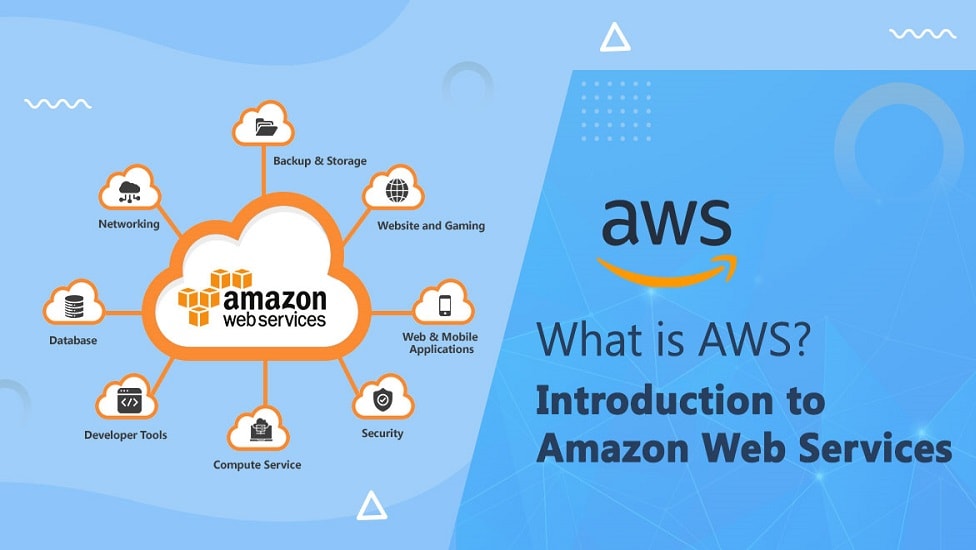
In contrast, while AWS does offer some hybrid cloud solutions, its primary focus is on providing scalable and reliable public cloud services.
AWS Activate
Efficiently develop, deploy and maintain high-performance and scalable applications.
IBM Cloud and AWS are two of the most prominent players in the competitive landscape of cloud computing services, each offering a distinct set of features and capabilities tailored to meet the diverse needs of businesses.
One key difference between IBM Cloud and AWS lies in their approach to hybrid cloud solutions. IBM Cloud places a strong emphasis on hybrid cloud deployments, allowing businesses to seamlessly integrate their on-premises infrastructure with cloud resources. This hybrid cloud strategy enables organizations to leverage the benefits of both private and public cloud environments, ensuring flexibility, scalability, and security. In contrast, while AWS does offer some hybrid cloud solutions, its primary focus is on providing scalable and reliable public cloud services. While AWS does provide tools and services for hybrid cloud deployments, its offerings in this area may not be as comprehensive as IBM Cloud's.
Another notable difference between IBM Cloud and AWS is their respective ecosystems and integrations. IBM Cloud offers a range of services and solutions that integrate seamlessly with other IBM products and third-party platforms, such as Red Hat OpenShift, Kubernetes, and VMware. This integration allows businesses to build and deploy applications more efficiently and effectively across hybrid cloud environments. On the other hand, AWS has a vast ecosystem of partners and third-party integrations, providing businesses with a wide range of options for extending and enhancing their cloud infrastructure. However, AWS's ecosystem may not be as tightly integrated with other platforms and solutions as IBM Cloud's.
The choice between IBM Cloud and AWS will depend on your specific business needs, requirements, and preferences. Both platforms offer powerful and scalable cloud computing solutions, but they differ in their approach to hybrid cloud deployments, ecosystems, and integrations.

AWS Activate
Amazon's cloud services platform
Up to $100,000 in credits or 20-50% off your monthly spend through an AWS partner (must be spending $100+/month)
Save up to $300,000
03 IBM Cloud pros and cons
What are the advantages of IBM Cloud?
- Comprehensive suite of services: IBM Cloud offers a wide range of services, including AI and machine learning, blockchain, Internet of Things (IoT), data analytics, and more. This comprehensive suite of offerings caters to various business needs and allows for the development of complex, innovative solutions.

- Strong security measures: IBM Cloud prioritizes security, providing robust encryption, identity and access management (IAM) tools, and compliance certifications to protect data and ensure regulatory compliance. This focus on security is particularly beneficial for businesses operating in highly regulated industries.
- Hybrid cloud capabilities: IBM Cloud excels in hybrid cloud deployments, allowing businesses to seamlessly integrate on-premises infrastructure with cloud resources. This flexibility enables organizations to optimize their IT environments, achieve cost savings, and maintain control over sensitive data.
- Global presence: With data centers located in regions across the globe, IBM Cloud offers extensive geographic coverage, ensuring low-latency access to services and compliance with data residency requirements. This global presence is advantageous for businesses with international operations or customers.
- Enterprise-grade support: IBM Cloud provides enterprise-grade support services, including 24/7 technical assistance, dedicated account managers, and service level agreements (SLAs) to ensure high availability and reliability. This level of support is beneficial for businesses requiring mission-critical infrastructure and services.
What are the disadvantages of IBM Cloud?
- Complexity: The extensive range of services and features offered by IBM Cloud can lead to complexity, especially for users who are new to the platform. Navigating the various offerings and understanding their capabilities may require a significant learning curve.

- Cost: While IBM Cloud offers competitive pricing, especially for enterprises, the cost of certain services and features may be higher compared to other cloud providers. Businesses should carefully evaluate their usage patterns and budget constraints to avoid unexpected expenses.
- Limited third-party integrations: Although IBM Cloud provides integrations with popular platforms and technologies, its ecosystem may not be as extensive as those of some competitors. This limitation could pose challenges for businesses seeking seamless interoperability with third-party solutions.
- Resource management: Managing resources and optimizing costs on IBM Cloud can be complex, particularly for organizations with dynamic workloads or fluctuating demand. Without proper monitoring and optimization strategies in place, businesses may incur unnecessary expenses.
- Market position: While IBM Cloud is a major player in the cloud computing market, it faces stiff competition from industry leaders such as AWS, Microsoft Azure, and Google Cloud Platform. As a result, IBM Cloud may struggle to maintain market share and differentiate itself in a crowded landscape.
Compare IBM Cloud to other tools


Microsoft for Startups vs IBM Cloud


Google Cloud (GCP) vs IBM Cloud
04 AWS Activate pros and cons
What are the advantages of AWS Activate?
- Broad service offering: AWS provides an extensive range of cloud services, including computing, storage, databases, machine learning, IoT, security, and more. This breadth of offerings allows businesses to build and deploy virtually any type of application or workload in the cloud.
- Global infrastructure: With data centers located in regions around the world, AWS offers a highly scalable and reliable infrastructure with low-latency access to services. This global footprint enables businesses to reach customers worldwide and comply with data residency requirements.
- Flexibility and scalability: AWS's cloud services are designed to scale dynamically to accommodate fluctuations in demand, making it easy for businesses to ramp up resources during peak periods and scale down during quieter times. This flexibility helps optimize costs and improve operational efficiency.
- Strong ecosystem and integrations: AWS has a vast ecosystem of partners, third-party integrations, and developer tools, making it easy for businesses to extend and enhance their cloud infrastructure. This ecosystem includes popular platforms like Kubernetes, Docker, and Terraform, as well as a thriving community of developers and enthusiasts.
- Security and compliance: AWS prioritizes security and compliance, providing a wide range of tools, features, and certifications to protect data and ensure regulatory compliance. These include encryption, identity and access management (IAM), threat detection, and compliance certifications such as ISO, SOC, and PCI DSS.
What are the disadvantages of AWS Activate?
- Complexity: The sheer breadth and depth of AWS's services can lead to complexity, especially for users who are new to the platform. Navigating the extensive array of services, understanding their capabilities, and managing resources effectively may require a steep learning curve.
- Cost management: While AWS offers competitive pricing, managing costs on the platform can be challenging, particularly for businesses with dynamic workloads or fluctuating demand. Without proper monitoring and optimization strategies in place, organizations may incur unexpected expenses.
- Vendor lock-in: Adopting AWS's proprietary services and technologies may result in vendor lock-in, making it difficult for businesses to migrate to alternative cloud providers in the future. This dependency on AWS could limit flexibility and increase long-term risk.
- Performance variability: The performance of AWS's services may vary depending on factors such as geographic location, network latency, and resource contention. Businesses operating in regions with limited infrastructure or facing high demand may experience performance issues or delays.
- Support and documentation: While AWS offers comprehensive documentation and support resources, accessing timely assistance and resolving technical issues can sometimes be challenging, especially during peak periods or service disruptions. Depending on the level of support chosen, businesses may face longer response times and limited availability of support engineers.
Compare AWS Activate to other tools


Cloudflare vs AWS Activate
Google Cloud (GCP) vs AWS Activate

Microsoft Azure vs AWS Activate

DigitalOcean vs AWS Activate

Scaleway vs AWS Activate

Vercel vs AWS Activate
05 IBM Cloud compared to AWS Activate
IBM Cloud and AWS are two leading cloud computing providers, each offering distinct advantages. IBM Cloud emphasizes hybrid cloud solutions, seamlessly integrating on-premises infrastructure with cloud resources. It boasts a comprehensive suite of services, including AI, blockchain, and data analytics.
Conversely, AWS excels in scalability and global infrastructure, with a vast array of services catering to diverse business needs. While IBM Cloud prioritizes security and enterprise support, AWS offers a broad ecosystem and strong integration capabilities.
Is IBM Cloud better than AWS Activate?
 Is IBM Cloud better than AWS Activate?
Comparing IBM Cloud and AWS requires understanding the specific needs of a business. IBM Cloud shines for organizations looking for robust hybrid cloud solutions that offer seamless integration between on-premises and cloud environments, particularly those prioritizing advanced security measures and specialized enterprise support. Its emphasis on cutting-edge technologies like AI, blockchain, and analytics positions it well for companies focused on innovation within these domains.
On the other hand, AWS stands out for its unparalleled scalability and extensive global infrastructure, making it an ideal choice for businesses requiring a wide variety of services and strong integration capabilities.
What is IBM Cloud best used for?
IBM Cloud is best used for organizations seeking robust hybrid cloud solutions and comprehensive enterprise-grade services. It excels in facilitating seamless integration between on-premises infrastructure and cloud resources, allowing businesses to optimize their IT environments and achieve scalability.
With a focus on security and compliance, IBM Cloud is ideal for industries with stringent regulatory requirements, such as healthcare and finance. Its suite of services, including AI, blockchain, and data analytics, caters to diverse business needs, empowering organizations to innovate and drive digital transformation. IBM Cloud's global presence and enterprise support make it a reliable choice for businesses of all sizes.
Can IBM Cloud replace AWS Activate?
While IBM Cloud offers robust features and services, it may not entirely replace AWS for all businesses. Both platforms have unique strengths and cater to different needs. IBM Cloud excels in hybrid cloud solutions, security, and enterprise-grade support. However, AWS boasts a broader service catalog, global infrastructure, and a vast ecosystem of integrations.
The decision to replace AWS with IBM Cloud depends on specific business requirements, such as regulatory compliance, integration needs, and scalability. Some organizations may choose to use both platforms in a multi-cloud strategy to leverage the strengths of each for optimal performance and flexibility.
Is IBM Cloud cheaper than AWS Activate?
Determining whether IBM Cloud is cheaper than AWS depends on various factors such as usage patterns, service selection, and pricing models. While IBM Cloud may offer competitive pricing for certain services, AWS's extensive range of offerings and economies of scale often result in cost savings for businesses with diverse needs.
However, IBM Cloud's transparent pricing and potential discounts for long-term commitments may appeal to organizations seeking predictable costs and budget control.
Is there a better Cloud Storage software than IBM Cloud?
When evaluating cloud computing solutions, it's essential to explore whether there might be a better alternative than IBM Cloud that better suits your organization's specific requirements.
Some notable alternatives to IBM Cloud in the cloud computing domain include AWS (Amazon Web Services), Microsoft Azure, Google Cloud Platform, Oracle Cloud, and Alibaba Cloud.
The choice of a cloud provider hinges on factors such as workload compatibility, scalability needs, pricing structures, geographic presence, and support offerings. While IBM Cloud shines in hybrid cloud solutions and enterprise-grade support, other providers may offer a broader range of services, stronger global infrastructure, or more competitive pricing options that align better with your business objectives and preferences.
06 AWS Activate compared to IBM Cloud
AWS and IBM Cloud are both leading cloud computing providers, each with distinct strengths. AWS boasts a vast array of services and a global infrastructure, ideal for businesses requiring scalability and flexibility.
Meanwhile, IBM Cloud excels in hybrid cloud solutions and enterprise-grade support, catering to organizations with complex IT requirements. While AWS offers a broader ecosystem and extensive third-party integrations, IBM Cloud prioritizes security and compliance.
Is AWS Activate better than IBM Cloud?
Deciding whether AWS is better than IBM Cloud hinges on the specific needs and priorities of an organization. AWS is renowned for its extensive service offering and global reach, providing unmatched scalability and flexibility that caters to a wide range of business requirements. Its strength lies in its ability to support businesses of all sizes with a comprehensive ecosystem and robust third-party integration capabilities. This makes AWS a preferred choice for companies looking for a broad range of services and the ability to scale rapidly.
In contrast, IBM Cloud's focus on hybrid cloud solutions and strong enterprise-grade support makes it more suitable for organizations with specific security, compliance, and complex IT infrastructure needs.
What is AWS Activate best used for?
AWS is best used for businesses seeking highly scalable and flexible cloud computing solutions. With its extensive range of services and global infrastructure, AWS is ideal for organizations requiring on-demand resources to support dynamic workloads, such as web hosting, application development, and data analytics.
AWS's robust security measures and compliance certifications make it suitable for industries with stringent regulatory requirements, including healthcare and finance. Additionally, AWS's broad ecosystem of partners and integrations enables businesses to extend and enhance their cloud infrastructure, while its pay-as-you-go pricing model ensures cost-effectiveness and scalability. Overall, AWS is well-suited for businesses of all sizes and industries aiming to leverage the benefits of cloud computing.
Can AWS Activate replace IBM Cloud?
Determining whether AWS can replace IBM Cloud depends on specific business needs and requirements. While AWS offers a vast array of services, global infrastructure, and scalability, IBM Cloud excels in hybrid cloud solutions, enterprise-grade support, and certain specialized offerings like AI and blockchain.
Organizations seeking seamless integration between on-premises infrastructure and cloud resources may find IBM Cloud more suitable. However, AWS's extensive ecosystem, broad service catalog, and competitive pricing may appeal to businesses with diverse cloud computing needs.
Is AWS Activate cheaper than IBM Cloud?
The comparison of costs between AWS and IBM Cloud is not straightforward, as it varies based on the specific requirements and usage patterns of each organization. AWS, with its vast array of services and economies of scale, might initially appear more cost-effective for companies that can leverage its competitive pricing.
However, IBM Cloud's approach to pricing, emphasizing transparency and the possibility of discounts for long-term commitments, can offer significant advantages to businesses looking for predictable expenses and effective budget management.
Is there a better Cloud Computing software than AWS Activate?
When considering alternatives to AWS, it's essential to assess whether there's a platform that better suits your unique business requirements.
Some notable competitors to AWS in the cloud computing domain include Microsoft Azure, DigitalOcean, Vultr, Linode, IBM Cloud, and VMWare Cloud.
The choice of a cloud computing provider hinges on factors such as workload compatibility, scalability needs, pricing structures, geographic presence, and support offerings. While AWS boasts a vast ecosystem and extensive service catalog, other providers may offer specialized services, stronger security measures, or more competitive pricing options that align better with your business objectives and preferences.
AWS Activate
Amazon's cloud services platform
Up to $100,000 in credits or 20-50% off your monthly spend through an AWS partner (must be spending $100+/month)
Save up to $300,000
07 Features comparison
IBM Cloud Offers More Advanced Security Measures than AWS
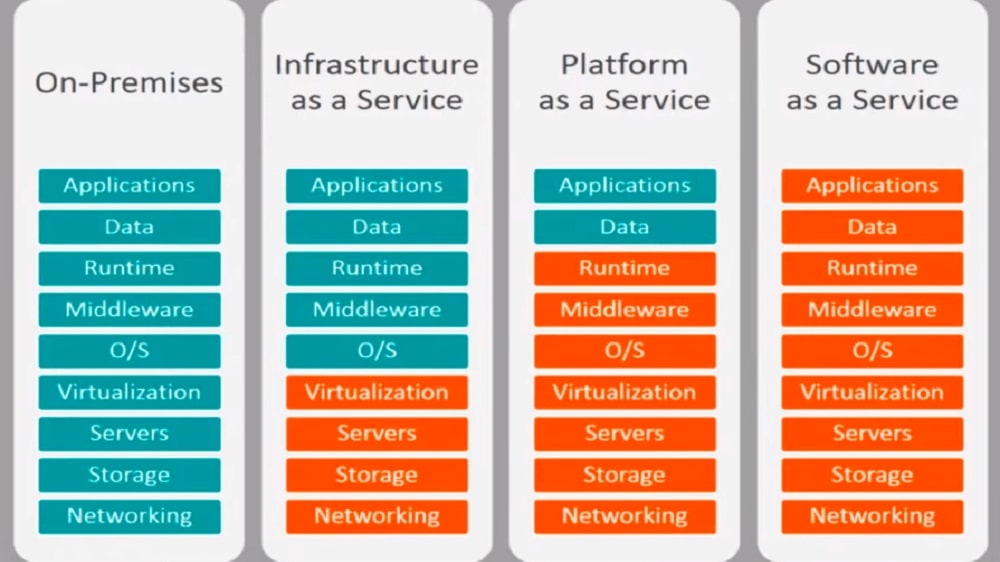
IBM Cloud places a strong emphasis on bolstering data and cloud resource security, offering robust encryption, identity and access management (IAM) tools, and compliance certifications such as SOC 2 and GDPR.
IBM Cloud places a strong emphasis on bolstering data and cloud resource security, offering robust encryption, identity and access management (IAM) tools, and compliance certifications such as SOC 2 and GDPR. For instance, IBM Cloud Key Protect provides encryption key management to safeguard sensitive data.
Conversely, while AWS prioritizes security, its focus may not be as pronounced as IBM Cloud's. AWS offers a range of security features such as AWS IAM and AWS Key Management Service (KMS) but lacks the explicit emphasis on security seen in IBM Cloud. For businesses prioritizing data security above all else, IBM Cloud's dedicated focus on security gives it a notable edge.
AWS Surpasses IBM Cloud for Seamless Navigation

For instance, AWS's intuitive dashboard and streamlined navigation make it simpler for users to navigate through various services and manage their resources effectively.
When it comes to the user experience, both IBM Cloud and AWS offer a wide range of functionalities geared to ensure smooth operations for your business. However, upon closer examination, AWS emerges as the frontrunner in terms of ease-of-use. For instance, AWS's intuitive dashboard and streamlined navigation make it simpler for users to navigate through various services and manage their resources effectively.
Additionally, AWS offers extensive documentation, tutorials, and community forums, empowering users to troubleshoot issues and optimize their workflows effortlessly. While IBM Cloud offers robust functionalities, AWS's user-friendly interface sets it apart, enhancing overall usability and productivity for businesses of all sizes.
AWS's Agile Approach to Data Management Edges Out IBM Cloud

AWS prioritizes not only storage, migration, and backup but also emphasizes easy access and in-depth analysis of data.
While IBM Cloud provides efficient cloud storage capabilities facilitating seamless data storage, migration, and backup processes, AWS distinguishes itself with its agile data management platform. AWS prioritizes not only storage, migration, and backup but also emphasizes easy access and in-depth analysis of data.
For instance, AWS offers a variety of analytics tools such as Amazon Redshift and Amazon Athena, enabling businesses to derive valuable insights from their data. This emphasis on comprehensive data management solutions gives AWS a slight edge over IBM Cloud in the competitive landscape of cloud services.
IBM Cloud's Automation Edge in Streamlining Operations Over AWS

For instance, IBM Cloud offers services like IBM Automation Platform for Digital Business, which enables organizations to automate repetitive tasks, orchestrate complex workflows, and optimize resource allocation.
IBM Cloud's dedication to automation offers businesses a pathway to enhanced efficiency by automating workflows and internal processes. Unlike AWS, which primarily offers infrastructure services, IBM Cloud places a specific emphasis on automation tools, providing businesses with tailored solutions to streamline their operations.
For instance, IBM Cloud offers services like IBM Automation Platform for Digital Business, which enables organizations to automate repetitive tasks, orchestrate complex workflows, and optimize resource allocation. This focus on automation equips businesses with the tools needed to boost productivity and reduce manual intervention, giving IBM Cloud a distinct advantage in optimizing operational efficiency.
IBM Cloud and AWS Offer Similar Quality Developer Tools
IBM Cloud empowers users with tools to build and manage infrastructure, development environments, and production deployments seamlessly.
Both IBM Cloud and AWS provide comprehensive suites tailored to facilitate application development and deployment. IBM Cloud empowers users with tools to build and manage infrastructure, development environments, and production deployments seamlessly. For instance, IBM Cloud offers services like IBM Cloud Pak for Applications, providing a containerized environment for developing and deploying cloud-native applications.
On the other hand, AWS Activate program extends support to startups, offering access to a plethora of developer tools such as SDKs and APIs. These resources enable startups to innovate and build complex applications efficiently, leveraging AWS's robust infrastructure and scalability.
AWS Surpasses IBM Cloud in AI and Machine Learning Capabilities

AWS stands out for its robust capabilities in machine learning, enabling businesses to develop, train, and deploy sophisticated algorithms with ease.
AWS stands out for its robust capabilities in machine learning, enabling businesses to develop, train, and deploy sophisticated algorithms with ease. Unlike IBM Cloud, AWS offers a comprehensive suite of machine learning services, including Amazon SageMaker, which provides tools for building, training, and deploying ML models at scale.
Additionally, AWS offers pre-trained AI services like Amazon Rekognition for image analysis and Amazon Polly for text-to-speech conversion, empowering businesses to harness the power of AI in diverse applications. As machine learning continues to shape the tech landscape, AWS's superior offerings in this area make it an attractive choice for businesses seeking innovation and competitive advantage.
AWS Leads Over IBM Cloud for Integration Versatility

AWS boasts an extensive array of integrations with a diverse range of third-party applications and enterprise systems
While assessing integration capabilities, AWS edges slightly ahead of IBM Cloud. AWS boasts an extensive array of integrations with a diverse range of third-party applications and enterprise systems, exemplified by its seamless compatibility with popular tools like Salesforce, Slack, and Microsoft Office 365. This versatility makes AWS a compelling choice for businesses seeking seamless interoperability across their tech stack. Moreover, the prevalence of AWS in the tech industry facilitates easier access to developers proficient in integrating tools with the platform, enhancing accessibility and support for businesses.
While IBM Cloud offers notable integrations, its offerings pale in comparison to AWS's comprehensive list. Nonetheless, IBM Cloud's expertise in enterprise IT equips it with unique niche integration capabilities, catering to specific industry needs. Despite IBM Cloud's strengths, businesses prioritizing extensive integration capacity may find AWS to be the superior choice.
08 IBM Cloud vs AWS Activate: Which is the best for your business?
IBM Cloud is the best tool for you if:
- Your organization requires advanced hybrid cloud solutions that seamlessly integrate your on-premises infrastructure with cloud services, ensuring a smooth transition and operation across diverse IT environments.
- You prioritize security and compliance in your cloud operations, seeking a platform with a strong emphasis on protecting data and adhering to regulatory standards across industries.
- Your business strategy leverages cutting-edge technologies such as AI, blockchain, and data analytics, and you need a cloud provider that offers specialized services in these areas.
- You value enterprise-grade support and are looking for a cloud provider that offers comprehensive technical and customer support, tailored to meet the needs of large organizations.
- Cost predictability is crucial for your budgeting processes, and you prefer a pricing model that offers transparent costs and the potential for discounts with long-term commitments.
 Your organization requires advanced hybrid cloud solutions that seamlessly integrate your on-premises infrastructure with cloud services, ensuring a smooth transition and operation across diverse IT environments.
AWS Activate is the best tool for you if:
- You require a broad range of services and a global infrastructure that supports scalability, flexibility, and innovation across a wide array of computing, storage, and networking needs.
- Your projects demand the flexibility to scale rapidly in response to changing business needs, making use of AWS's vast offerings to easily adjust resources and manage costs.
- You seek a rich ecosystem of third-party integrations and a marketplace offering a multitude of software and services that enhance and extend your cloud capabilities.
- Innovation is at the core of your business, and you need access to the latest in cloud technology, including machine learning, artificial intelligence, and IoT services.
- You value a competitive pricing model that allows for cost optimization through various purchasing options, such as spot instances and reserved capacity, to efficiently manage your cloud expenses.
AWS Activate
Amazon's cloud services platform
Up to $100,000 in credits or 20-50% off your monthly spend through an AWS partner (must be spending $100+/month)
Save up to $300,000
09 Alternatives to IBM Cloud & AWS Activate

Google Cloud (GCP)
Used by 11960 members
$2,000 in credits for 1 year if you never raised funds // $350,000 in credits for 2 years if you did
Save up to $350,000

Google Workspace
Used by 10482 members
20% off Standard plans for 1 year
Save up to $3,460

DigitalOcean
Used by 7570 members

Slack
Used by 4003 members
25% off new plan purchases
Save up to $9,000
10 Promotions on Cloud Storage software
IBM Cloud and AWS Activate are great tools, but Secret offers promo codes with discounts on over 2250+ different SaaS solutions. New deals are added regularly, helping you save money on your online subscriptions. Get access to codes for other Cloud Storage software you might want to purchase
Google Cloud (GCP) promotion
$2,000 in credits for 1 year if you never raised funds // $350,000 in credits for 2 years if you did

Code for Cloudflare
$10,000 in credits for self-funded startups // $350,000 in credits funded startups

OVHcloud promotion
€10,000 in credits for 1 year

Galaxy (ex. Meteor Cloud) coupon
$600 in credits for 1 year

Hostinger discounts
Additional 10% off on all 12/24/48-monthly plan purchases

Amazon EC2 discount code
Up to $100,000 in credits or 20-50% off your monthly spend through an AWS partner (must be spending $100+/month)

Discount for Cloudways
30% off for 3 months

Mux promo
$500 credits on Mux

GoDaddy discount
1st year .com domain purchase for $11.99

CloudTalk offer
50% off the first month
Start saving on the best SaaS
Secret has already helped tens of thousands of startups save millions on the best SaaS like Microsoft Teams, Google Workspace & many more. Join Secret now to buy software the smart way.