


To support the growth of your start-up, you need to pay particular attention to customer service. Consumers are hungry for personalisation and responsiveness. To provide the best possible customer experience, it's essential to opt for a reputable, high-performance customer service software package.
With so many platforms available, it can be hard to choose, but two tools stand out from the crowd: Zendesk and ServiceNow. To help you decide which one is best for your business, we've put together a Zendesk vs ServiceNow comparison, in which we look at the differences and features of the two software packages.
- 01 Zendesk vs ServiceNow: overview
- 02 What's the difference between Zendesk and ServiceNow?
- 03 Zendesk pros and cons
- 04 ServiceNow pros and cons
- 05 Zendesk compared to ServiceNow
- 06 ServiceNow compared to Zendesk
- 07 Features comparison
- 08 Zendesk vs ServiceNow: Which is the best for your business?
- 09 Alternatives to Zendesk & ServiceNow
- 10 Promotions on Customer Support software
Start saving on the best SaaS
Secret has already helped tens of thousands of startups save millions on the best SaaS like Microsoft Teams, Google Workspace & many more. Join Secret now to buy software the smart way.

01 Zendesk vs ServiceNow: overview
Zendesk and ServiceNow are two prominent players in the realm of customer service and IT service management platforms, each offering its own unique strengths to cater to specific user requirements.
Zendesk is known for its user-friendly interface and ease of use. It provides a streamlined platform for customer support, helpdesk ticketing, and knowledge base management. In contrast, ServiceNow offers a comprehensive suite of IT service management features, including ITIL-based processes, automation, and extensive integrations.
Now, let's delve into the Zendesk vs. ServiceNow comparison to assist you in making an informed decision when choosing the right customer service and IT service management platform for your specific needs.

Customer account management
Each tool allows you to monitor customer accounts, manage contacts and centralise essential information.

Zendesk
ServiceNow
Communication channels
Zendesk allows you to interact across all channels, including social networks, which is something ServiceNow lacks.
Zendesk
ServiceNow
Employee experience
ServiceNow is much more effective in this respect, creating preventive workflows and guiding employees to answer common questions.
Zendesk
ServiceNow
Customer support
Zendesk offers support options depending on the price plan. The most expensive plans benefit from 24/7 support by email, chat and telephone. ServiceNow offers a community support portal.
Zendesk
ServiceNow
Ease of use
ServiceNow has a longer learning curve than Zendesk, not least because of its less ergonomic user interface.
Zendesk
ServiceNow
Exporting data
ServiceNow offers the option of importing and exporting data via an Excel sheet and exporting as a PDF. Zendesk only offers XML export and import via the API.
Zendesk
ServiceNow
Ticket management
Both platforms are relevant and allow you to see tickets, allocations and routing.
Zendesk
ServiceNow
Positive reviews
While the two platforms score similarly, Zendesk has more customer reviews. What's more, it is better rated in terms of ease of use.
Zendesk
ServiceNow
Pricing plans
ServiceNow offers a free plan, but you need to request a personalised quote for the paid plans. Zendesk clearly offers 3 paid price plans.
Zendesk
ServiceNow
Integrations
Zendesk offers more than 1,300 integrations, including Salesforce and Slack, and ServiceNow more than 300 connections, including Adobe and Tenfold.
Zendesk
ServiceNow
02 What's the difference between Zendesk and ServiceNow?
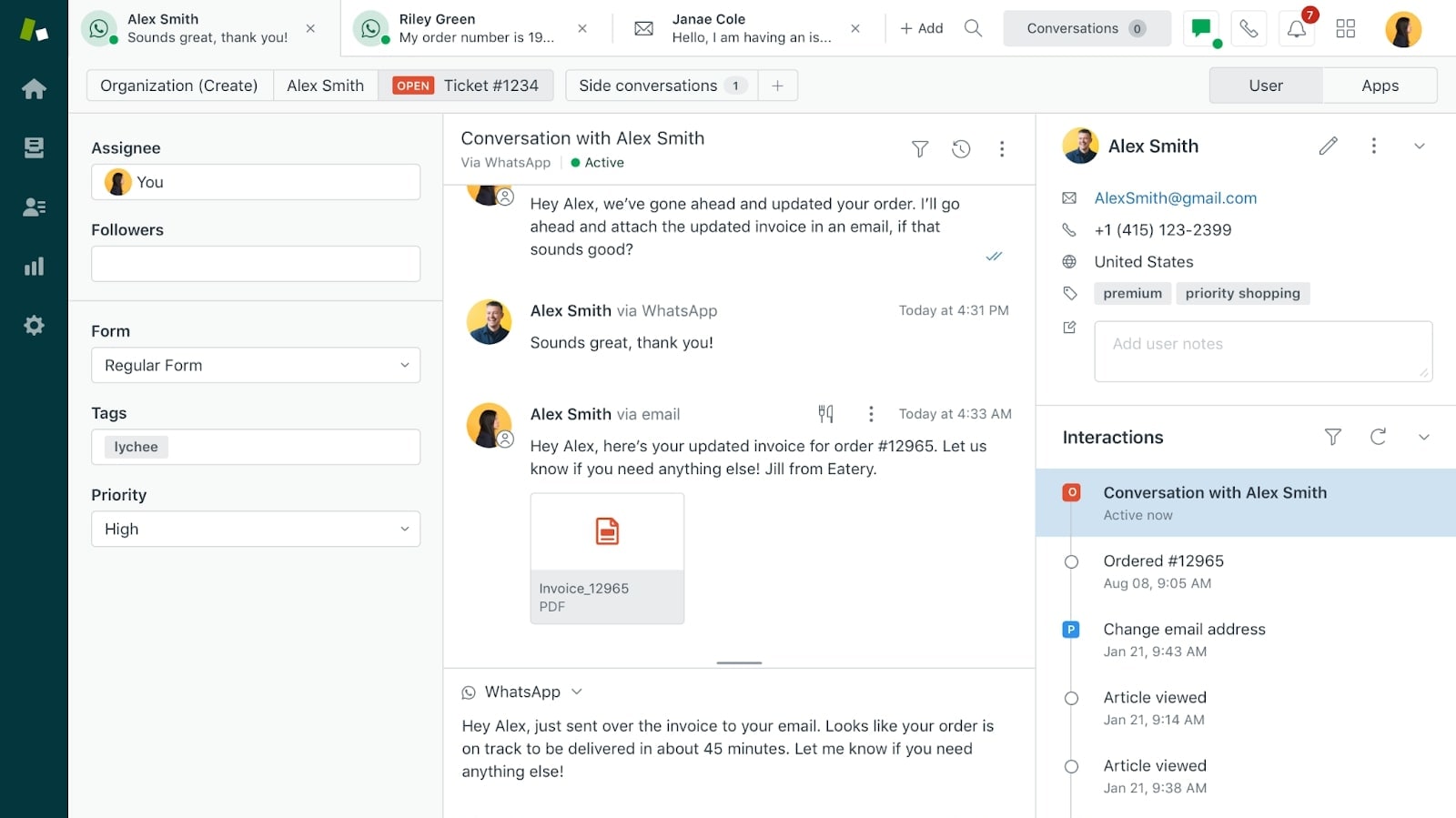
Zendesk's Agent Workspace to Communicate with Customers Across Different Channels
Zendesk
Create a customer success support suite that is accessible and available to your customers at all times.

ServiceNow's Configurable Workspace for Comprehensive, Real-Time Information on Each Customer
ServiceNow
ServiceNow offers a comprehensive platform that serves as a single solution for your enterprise service management needs. Whether you're a large corporation or a growing business, ServiceNow has the tools to streamline and optimize your daily operations.
The two customer relationship management tools, Zendesk and ServiceNow, are highly relevant. Each has its own strengths and weaknesses, but both are highly effective at tracking and managing different customer requests. However, we can identify not one, but two main differences between these platforms. The first difference is the target audience. Each tool is designed for a different type of business. The other difference lies in the main objective of the software. For example, ServiceNow's approach is that of an ITSM tool, whereas Zendesk is geared towards an ITIL approach.
Firstly, it all depends on the size of your business. Start-ups or medium-sized businesses looking above all to rapidly improve their customer service are well advised to choose Zendesk. The software solution offers flexible pricing plans that can be adapted to your needs and the growth of your business. ServiceNow, on the other hand, prefers to target medium-sized and large businesses. They will be able to take full advantage of business automation features and artificial intelligence, and can design custom applications to suit their needs.
ServiceNow is based on an ITSM (Information Technology Service Management) approach, and while it does offer customer service functionalities, it is primarily designed to manage product and asset processes. It specialises in IT management, application development and workflow automation. Zendesk, on the other hand, is an ITIL (Information Technology Infrastructure Library) tool that focuses on customer relationship management via multi-channel ticket tracking and self-service. It is excellent for delivering very high quality customer service, but is less comprehensive than ServiceNow.

Zendesk
Create a customer success support suite that is accessible and available to your customers at all times.
6 months free (with AI Agents and Copilot)
Save up to $50,000
03 Zendesk pros and cons
What are the advantages of Zendesk?
- User-friendly interface: Zendesk offers an intuitive and user-friendly interface, making it easy for customer support agents to navigate and use the platform effectively. This reduces the learning curve for new users.

- Multi-channel support: Zendesk allows businesses to manage customer inquiries from various channels, including email, chat, social media, and phone, all within a single unified dashboard. This streamlines communication and ensures a consistent customer experience.
- Robust ticketing system: Zendesk's ticketing system is highly efficient for tracking and managing customer issues and inquiries. It offers automation, ticket routing, and prioritization features to enhance agent productivity.
- Extensive app marketplace: Zendesk has a wide range of integrations and apps available in its marketplace, allowing businesses to extend its functionality and integrate with other tools they use, such as CRMs or analytics platforms.
- Powerful reporting and analytics: Zendesk provides robust reporting and analytics capabilities, helping organizations gain insights into customer support performance, identify trends, and make data-driven decisions.
What are the disadvantages of Zendesk?
- Cost: Zendesk can become expensive, especially for larger organizations or those with high support volumes. The cost may increase as additional features or user licenses are required.

- Complexity for advanced features: While Zendesk is user-friendly, some of its more advanced features, such as complex automations or customizations, may require technical expertise to set up and maintain.
- Limited built-in features: Some users find that Zendesk's built-in features may not cover all their specific needs, requiring them to rely on third-party integrations, which can add complexity and cost.
- Ticket volume pricing: Zendesk's pricing is often based on the number of tickets generated, which can be challenging for businesses with fluctuating support volumes.
- Steep learning curve for admins: Administrators who want to set up and customize Zendesk to meet their organization's specific requirements may face a learning curve, particularly if they are not experienced with similar platforms.
Compare Zendesk to other tools


Zendesk vs Intercom


Salesforce Service Cloud vs Zendesk

Zoho Desk vs Zendesk

Zendesk vs Gorgias

Zendesk vs Salesforce

Help Scout vs Zendesk
04 ServiceNow pros and cons
What are the advantages of ServiceNow?
- Comprehensive ITSM suite: ServiceNow offers a robust and comprehensive suite of IT Service Management (ITSM) tools, including incident management, problem management, change management, and more. This can help IT departments streamline their processes and improve efficiency.
- Automation and workflow: ServiceNow provides powerful automation and workflow capabilities, allowing organizations to automate repetitive tasks, workflows, and approvals. This can lead to significant time savings and improved productivity.
- Customization and flexibility: ServiceNow is highly customizable, allowing organizations to tailor the platform to their specific needs and workflows. This flexibility is valuable for businesses with unique requirements.
- Service portal: The ServiceNow Service Portal offers a user-friendly interface for end-users to request services and support. It enhances the user experience by providing a self-service portal for common IT requests.
- Integration capabilities: ServiceNow offers extensive integration options, allowing businesses to connect with a wide range of third-party tools and systems, including popular CRMs, HR software, and more.
What are the disadvantages of ServiceNow?
- Cost: ServiceNow is known for being a relatively expensive solution, especially for smaller organizations. Licensing fees, implementation costs, and ongoing maintenance expenses can add up.
- Complexity: ServiceNow's power and flexibility come at the cost of complexity. Implementing and configuring the platform can be challenging, requiring skilled administrators and developers.
- Steep learning curve: Users, particularly administrators and developers, may experience a steep learning curve when getting started with ServiceNow due to its extensive feature set.
- Resource intensive: Implementing and maintaining ServiceNow can be resource-intensive, requiring dedicated IT staff and infrastructure to support the platform effectively.
- Vendor lock-in: Some organizations may feel locked into the ServiceNow ecosystem due to the complexity of migrating away from the platform. This can limit flexibility and choice in the long term.
Compare ServiceNow to other tools


Freshservice vs ServiceNow
05 Zendesk compared to ServiceNow
When comparing Zendesk and ServiceNow, Zendesk stands out with its simplicity and cost-effectiveness, making it an appealing choice for businesses looking for a straightforward yet robust customer support and service management solution. Zendesk offers competitive pricing, including affordable plans suitable for small and medium-sized businesses, while also accommodating larger enterprises.
While both Zendesk and ServiceNow excel in service management, the choice between the two hinges on your specific needs and the scale of your organization. Zendesk offers a cost-effective and user-friendly solution, making it ideal for businesses looking to enhance their customer support capabilities without incurring significant costs.
Is Zendesk better than ServiceNow?
 Is Zendesk better than ServiceNow?
Determining whether Zendesk is better than ServiceNow depends on your specific needs and the scope of your organization. Zendesk excels in providing a user-friendly and cost-effective customer support and service management solution. Its ease of implementation and straightforward interface make it an ideal choice for smaller to medium-sized businesses looking to enhance their support capabilities without significant complexities.
Your choice between Zendesk and ServiceNow should align with your specific requirements and the scale of your organization. If simplicity, cost-effectiveness, and user-friendliness are your priorities, Zendesk may be the better fit. However, if you require a comprehensive service management platform with advanced capabilities and scalability for a large enterprise, ServiceNow could be the preferred choice.
What is Zendesk best used for?
Zendesk is a versatile customer service and support platform designed to enhance customer interactions and streamline support processes. It is best used for managing customer inquiries, resolving issues, and providing exceptional customer service across various channels.
Zendesk's key strengths lie in its ability to centralize customer support interactions, ticket management, and self-service options. It allows businesses to create a unified helpdesk where customer inquiries from email, chat, social media, and phone calls can be efficiently tracked and resolved. For instance, support teams can manage and prioritize tickets, access customer information, and collaborate internally to deliver prompt and effective solutions.
Can Zendesk replace ServiceNow?
Replacing ServiceNow with Zendesk depends on the specific needs and requirements of your organization. Zendesk is a powerful customer service and support platform that excels in managing customer inquiries, providing self-service options, and centralizing support operations.
However, it's essential to consider that ServiceNow is a broader IT service management (ITSM) platform that extends beyond customer support to include IT operations and other enterprise-level functions. If your organization relies heavily on ServiceNow's ITSM features, replacing it entirely with Zendesk may require additional evaluation and customization to address those specific needs.
Is Zendesk cheaper than ServiceNow?
Comparing the cost of Zendesk to ServiceNow, it's important to note that Zendesk often presents a more budget-friendly option for organizations, particularly those focused on customer support and service management. Zendesk’s pricing plans cater to businesses of varying sizes, including startups and small to medium-sized enterprises, making it accessible to a broader range of users.
ServiceNow, on the other hand, is a comprehensive IT service management (ITSM) platform that typically comes with a higher price tag. The choice between Zendesk and ServiceNow should consider factors like your organization's specific needs, budget constraints, and the range of functionalities required to meet your service management objectives.
Is there a better Customer Support software than Zendesk?
When considering customer support and service management solutions, it's essential to explore whether there might be a better fit for your specific needs.
Some notable alternatives to Zendesk in the customer support and service management space include Freshdesk, Intercom, Zoho Desk, and Help Scout.
The choice of customer support software depends on your organization's unique requirements, the complexity of your support operations, and your budget. While Zendesk offers a comprehensive set of features and is widely recognized, other tools may provide more specialized solutions, better integrations, or specific industry-focused features that align better with your customer support strategy.
Zendesk
Create a customer success support suite that is accessible and available to your customers at all times.
6 months free (with AI Agents and Copilot)
Save up to $50,000
06 ServiceNow compared to Zendesk
When it comes to customer support and service management, comparing Zendesk and ServiceNow reveals distinct strengths tailored to different organizational needs.
ServiceNow is a robust and comprehensive service management platform designed to meet the needs of larger enterprises and organizations with complex support operations. It offers extensive features, including IT service management (ITSM), customer service management (CSM), and field service management (FSM). ServiceNow's pricing is typically tailored to the specific requirements of each enterprise, and it shines when it comes to scalability and integration capabilities.
The choice between Zendesk and ServiceNow depends on your organization's size, complexity, and specific customer support needs. While Zendesk offers simplicity and cost-effectiveness, ServiceNow provides the scalability and depth required for managing complex support operations and aligning customer support with broader IT functions.
Is ServiceNow better than Zendesk?
Determining whether ServiceNow is better than Zendesk hinges on your organization's specific customer support and service management needs. ServiceNow is a comprehensive and enterprise-level service management platform designed to handle complex support operations, making it ideal for larger organizations with intricate processes and a need for integrated IT service management (ITSM), customer service management (CSM), and field service management (FSM). It excels in scalability and customization.
The choice between ServiceNow and Zendesk depends on the size, complexity, and specific requirements of your organization. While ServiceNow offers unparalleled depth and scalability, Zendesk shines in providing an accessible and streamlined customer support solution. Your decision should align with the unique demands and goals of your customer service strategy.
What is ServiceNow best used for?
ServiceNow is best known for its robust capabilities in IT service management (ITSM), making it a powerful tool for organizations looking to streamline their IT operations and provide efficient support to both internal and external customers. It excels in handling complex service workflows, incident management, problem management, change management, and asset management, among others.
ServiceNow's versatility extends beyond ITSM, as it also offers modules for customer service management (CSM), human resources service delivery (HRSD), and field service management (FSM). This makes it suitable for businesses looking to integrate various service functions into a unified platform.
Can ServiceNow replace Zendesk?
Determining whether ServiceNow can replace Zendesk depends on your organization's specific service management and customer support needs. ServiceNow offers a comprehensive platform for IT service management (ITSM) and extends its capabilities to various service areas, including customer service management (CSM) and field service management (FSM). It excels in handling complex service workflows, incident management, and automation of service processes.
While ServiceNow can cover customer support functions, it may introduce complexity and cost that might not be necessary for organizations primarily seeking a customer support solution like Zendesk. Therefore, the choice depends on your organization's broader service management needs and the extent of customization and scalability required.
Is ServiceNow cheaper than Zendesk?
When evaluating the cost-effectiveness of ServiceNow’s pricing compared to Zendesk, it's important to note that ServiceNow is often considered a more comprehensive and feature-rich solution, which can come with a higher price tag. ServiceNow offers a wide range of capabilities beyond traditional customer support, including IT service management (ITSM), customer service management (CSM), and field service management (FSM).
On the other hand, Zendesk primarily focuses on customer support and engagement, offering a more streamlined and cost-effective solution for organizations seeking dedicated customer support features. While ServiceNow can be a powerful choice for organizations requiring extensive service management capabilities, it may be more costly than Zendesk, which is a specialized and budget-friendly option for customer support needs.
Is there a better IT Management software than ServiceNow?
When evaluating service management software, it's essential to consider whether there might be a better-suited solution for your specific needs.
Some notable alternatives to ServiceNow in the service management space include Zendesk, Freshservice, Jira Service Management, and BMC Helix.
The choice of service management software depends on your organization's distinct service management requirements, scale, and industry. While ServiceNow offers a wide range of capabilities and customization options, other tools may provide more streamlined and cost-effective solutions for specific service management needs or industries.
07 Features comparison
Zendesk’s Multi Channel Support Excels Over ServiceNow’s Service Catalog

It empowers businesses to engage with customers through their preferred communication channels, including email, chat, social media, phone, and web forms, offering a versatile and customer-centric approach
When comparing Zendesk and ServiceNow, Zendesk's multichannel support feature is a standout. It empowers businesses to engage with customers through their preferred communication channels, including email, chat, social media, phone, and web forms, offering a versatile and customer-centric approach. This flexibility contributes to higher customer satisfaction rates as clients can effortlessly connect via their preferred means.
In contrast, ServiceNow's service catalog primarily centers around IT and business services, offering a more specialized approach. While this is valuable for managing internal processes, it may limit the range of channels available for customer interactions. This distinction emphasizes Zendesk's superiority in providing a comprehensive multichannel support solution for businesses of all sizes.
ServiceNow Offers Superior IT Asset Management than Zendesk
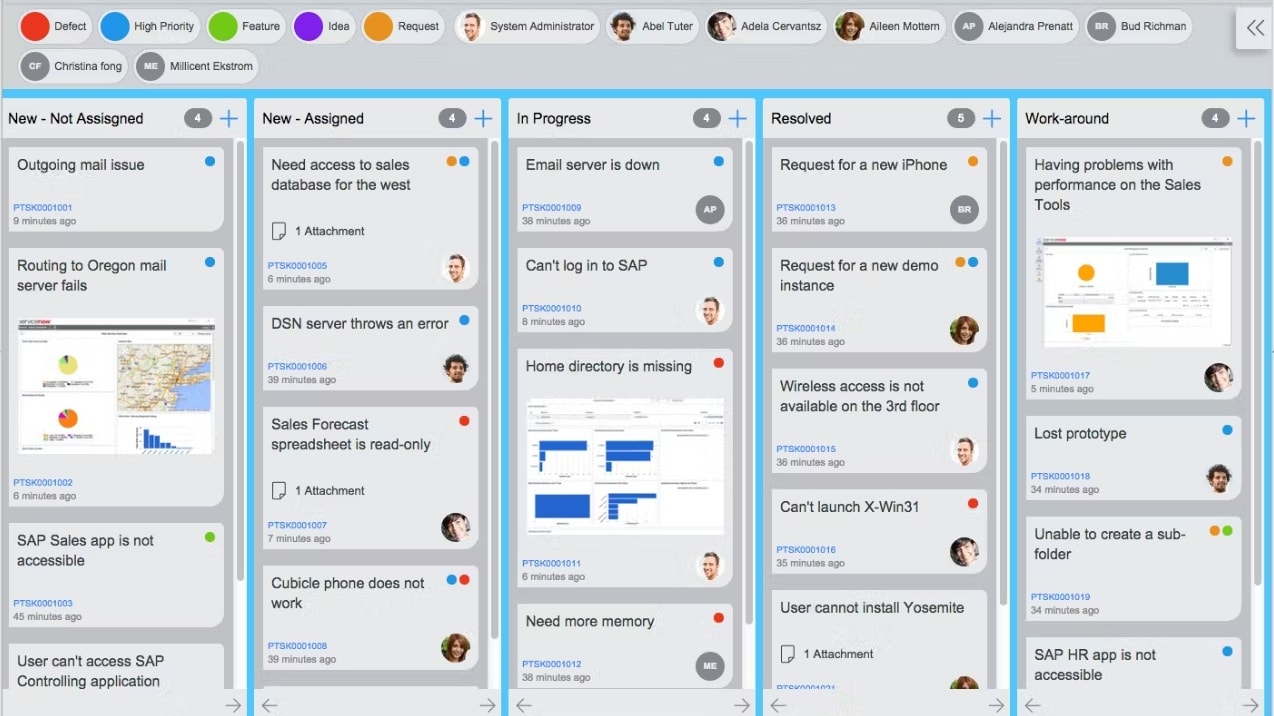
With ServiceNow, businesses can gain granular insights into asset usage, track any changes or updates, and ensure strict compliance with software licensing agreements.
ServiceNow's IT asset management feature offers organizations an extensive asset tracking solution that surpasses Zendesk. With ServiceNow, businesses can gain granular insights into asset usage, track any changes or updates, and ensure strict compliance with software licensing agreements. This level of detail and control is invaluable for organizations aiming to optimize their asset management processes.
For instance, ServiceNow can help companies identify underutilized assets, preventing unnecessary expenses on software licenses. Additionally, it enables proactive maintenance and reduces the risk of compliance violations, potentially resulting in substantial cost savings and improved operational efficiency. In contrast, Zendesk primarily focuses on customer support and service management, lacking the depth of asset management capabilities offered by ServiceNow.
Zendesk’s Knowledge Base Proves More User-Friendly than ServiceNow’s Service Level Management

Zendesk's knowledge base empowers businesses to create comprehensive FAQs, articles, and self-help resources.
Zendesk's knowledge base empowers businesses to create comprehensive FAQs, articles, and self-help resources. Customers can easily access this wealth of information, enabling them to find answers to common questions and troubleshoot issues independently. For instance, an e-commerce company using Zendesk's knowledge base can provide step-by-step guides on order tracking or return procedures.
In contrast, while ServiceNow's service level management feature excels in real-time monitoring of SLA compliance and ensures efficient service delivery, it doesn't offer direct self-service options for customers. This makes Zendesk's knowledge base a more user-friendly and customer-centric feature, as it directly addresses the need for customers to access information and resolve queries on their own.
Zendesk Pulls Ahead of ServiceNow for User-Friendliness

Zendesk further simplifies the onboarding process with well-crafted templates and detailed guides.
Zendesk outshines ServiceNow in terms of user-friendliness. Its intuitive interface, coupled with straightforward features, ensures effortless navigation, even for tech novices. Zendesk further simplifies the onboarding process with well-crafted templates and detailed guides. These resources empower new users to establish customer service workflows without extensive training.
On the contrary, ServiceNow, while robust, suffers from a reputation for complexity. Its intricate interface and steep learning curve demand considerable time and resources. This can deter startups and teams seeking swift implementation. Although powerful, ServiceNow might not suit those prioritizing ease of use and rapid deployment.
Reporting and Analytics in Zendesk Provide More Customer-Centric Insights Compared to ServiceNow

Zendesk's robust reporting and analytics feature offer businesses comprehensive insights into crucial support metrics.
Zendesk's robust reporting and analytics feature offer businesses comprehensive insights into crucial support metrics. For example, an e-commerce company can utilize Zendesk to track response times, monitor ticket volumes during peak seasons, gauge customer satisfaction through surveys, and evaluate agent performance based on resolved cases.
Conversely, while ServiceNow excels in effective change management, ensuring smooth transitions and minimal disruptions in IT and business services, it doesn't provide the same level of customer-centric insights as Zendesk. ServiceNow's reporting primarily focuses on IT service management and operational data, lacking the depth of customer-specific metrics that Zendesk's reporting and analytics feature offers to enhance support operations and customer satisfaction.
Zendesk and ServiceNow Offer Comparable Automation Incident Management Features
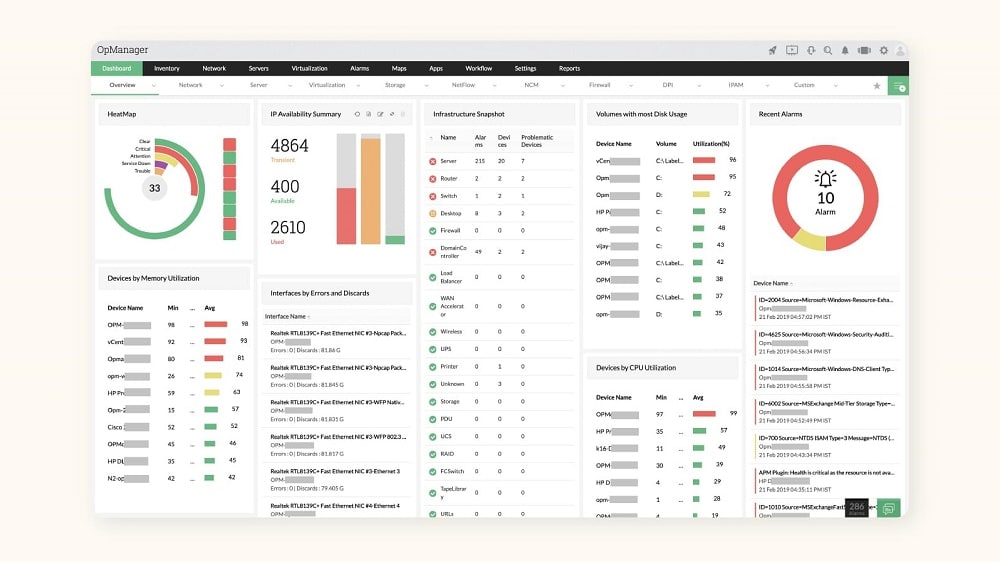
Zendesk's automation and workflow capabilities focus on streamlining customer support processes.
Zendesk's automation and workflow capabilities focus on streamlining customer support processes. For instance, it can automatically assign incoming support tickets to the most appropriate agents, send automated responses to common queries, and escalate issues when necessary. This helps customer support teams manage their workload efficiently and deliver timely assistance to customers.
On the other hand, ServiceNow's incident management feature is tailored to address and resolve incidents like IT service disruptions promptly. It enables IT teams to classify and prioritize incidents, assign them to relevant personnel, and track their resolution progress. This ensures that critical IT issues are addressed swiftly, minimizing downtime and maintaining business continuity.
Zendesk’s App Directory Triumphs Over ServiceNow

These integrations span a wide spectrum, encompassing customer relationship management (CRM) systems like Salesforce, marketing automation platforms such as HubSpot, and e-commerce solutions like Shopify.
When considering SaaS software, its integration capabilities with various systems are pivotal. Zendesk outshines ServiceNow in this regard, boasting compatibility with over 1,300 tools. These integrations span a wide spectrum, encompassing customer relationship management (CRM) systems like Salesforce, marketing automation platforms such as HubSpot, and e-commerce solutions like Shopify. This expansive ecosystem allows businesses to tailor their software stack precisely to their needs, enhancing efficiency and productivity.
In contrast, while ServiceNow offers integration options, its scope is comparatively limited, potentially restricting adaptability and hindering businesses looking to create a well-integrated digital environment.
08 Zendesk vs ServiceNow: Which is the best for your business?
Zendesk is the best tool for you if:
- You require a versatile customer support solution with robust ticketing and multi-channel communication capabilities
- Automation and AI-driven features are important for efficient support operations
- In-depth reporting and analytics are vital for monitoring and enhancing customer service performance
- Scalability is essential as your business grows, accommodating increased support needs
- Integration options with other business tools and platforms are a priority for streamlined workflows
 You require a versatile customer support solution with robust ticketing and multi-channel communication capabilities
ServiceNow is the best tool for you if:
- You need a comprehensive IT service management (ITSM) solution with robust incident, problem, and change management capabilities
- Automation and workflow orchestration are essential for efficient IT operations and service delivery
- Enterprise-level scalability is a priority to handle complex and growing IT environments
- Integration with various IT tools, systems, and applications is crucial for seamless IT management
- In-depth analytics and reporting capabilities are required to monitor and optimize IT service performance and compliance
Zendesk
Create a customer success support suite that is accessible and available to your customers at all times.
6 months free (with AI Agents and Copilot)
Save up to $50,000
09 Alternatives to Zendesk & ServiceNow

Manychat
Used by 4291 members
First month free on Pro plan
Save up to $14

Slack
Used by 3739 members
25% off new plan purchases
Save up to $9,000

Intercom
Used by 3213 members
1 year free on the Advanced plan (300 monthly Fin resolutions included)
Save up to $3,108

HubSpot
Used by 2775 members
90% off the Professional and Enterprise plans for 1 year
Save up to $7,000
10 Promotions on Customer Support and IT Management software
Zendesk and ServiceNow are great tools, but Secret offers promo codes with discounts on over 2190+ different SaaS solutions. New deals are added regularly, helping you save money on your online subscriptions. Get access to codes for other Customer Support and IT Management software you might want to purchase
Intercom coupon
1 year free on the Advanced plan (300 monthly Fin resolutions included)

CCleaner coupon
20% off for 1 year

Freshdesk promo code 2026
14 days free

GitHub promo code 2026
$10,000 in credits for 12 months

LiveChat coupon code 2026
$150 credits (Team, Business and Enterprise Plans)

Asana coupon code 2026
75% off the annual Starter and Advanced plans for 1 year
Promo code for Manychat
First month free on Pro plan

Promo code GitLab
12 months free on the Ultimate license

LiveAgent discounts
$120 credits on any plan

Discount for Freshservice
14 days free
Start saving on the best SaaS
Secret has already helped tens of thousands of startups save millions on the best SaaS like Microsoft Teams, Google Workspace & many more. Join Secret now to buy software the smart way.