


Cloud hosting platforms are essential for deploying, managing, and scaling applications with ease. With robust infrastructure, intuitive interfaces, and scalable resources, these platforms support the growth of your online ventures, ensuring optimal performance. Given the myriad of options available, making a choice can sometimes be daunting.
To guide you, we compare two of the renowned cloud hosting platforms: DigitalOcean and Linode. In this article, we delve into their features, user-friendliness, and pricing structures. While both platforms offer a comprehensive set of cloud computing solutions, they each bring unique offerings to the table. Gaining insight into these nuances can aid you in determining which platform is the most suited for your specific requirements.
- 01 DigitalOcean vs Linode: overview
- 02 What's the difference between DigitalOcean and Linode?
- 03 DigitalOcean pros and cons
- 04 Linode pros and cons
- 05 DigitalOcean compared to Linode
- 06 Linode compared to DigitalOcean
- 07 Features comparison
- 08 DigitalOcean vs Linode: Which is the best for your business?
- 09 Alternatives to DigitalOcean & Linode
- 10 Promotions on Cloud Storage software
Start saving on the best SaaS
Secret has already helped tens of thousands of startups save millions on the best SaaS like Microsoft Teams, Google Workspace & many more. Join Secret now to buy software the smart way.

01 DigitalOcean vs Linode: overview
DigitalOcean and Linode are front-runners in the domain of cloud hosting platforms, each presenting unique features and benefits tailored to various user preferences.
DigitalOcean is recognized for its simplicity and user-friendly interface. It offers an intuitive platform for deploying and managing cloud infrastructures with a focus on developer-friendly tools and straightforward pricing. Conversely, Linode is known for its comprehensive range of virtual servers and robust technical capabilities. With a wide array of configurations, detailed documentation, and extensive integrations, it serves businesses and developers of all expertise levels, ensuring adaptability and growth potential.
Now, let's dive into the DigitalOcean vs. Linode comparison to help you make a knowledgeable decision regarding the optimal cloud hosting platform for your particular needs.

Integrations
DigitalOcean integrates seamlessly with tools like Kubernetes and Terraform. Linode offers integrations like cPanel and Plesk, but has a slightly narrower range than DigitalOcean.

DigitalOcean
Linode
Security
Both platforms expect you to handle security on your own. DigitalOcean offers a cloud firewall service, while Linode offers DDoS protection and a cloud firewall that is still in Beta.
DigitalOcean
Linode
Scalability
Both provide seamless scalability with vertical and horizontal scaling. This is done by providing load balancers and managed Kubernetes services.
DigitalOcean
Linode
Customer Reviews
Both platforms are highly regarded on Captera, with users singing their praises for high performance and constant uptime.
DigitalOcean
Linode
Performance
Both providers offer robust and powerful infrastructure equipped with SSD storage. Linode does offer slightly better performance, but DigitalOcean is right next to it.
DigitalOcean
Linode
Professional services
Linode offers professional services related to migrations, optimization, deployment and availability. DigitalOcean on the other hand, offers professional services via a partner network.
DigitalOcean
Linode
Customer service
DigitalOcean focuses on extensive documentation, while Linode more on the human touch of customer support, thus offering a better service.
DigitalOcean
Linode
Ease of use
Both platforms feature modern designs with simple UI/UX. The learning curve is very low, and if you’ve used any cloud provider solution, you will fit right in with either platform.
DigitalOcean
Linode
Developer tools
Robust APIs are what you will get with either platform, with DigitalOcean focusing more on documentation compared to Linode. Either solution offers a smooth application for deployment and development.
DigitalOcean
Linode
Value for money
Price-wise, Linode offers a much better option as they’re the smaller, less established player. Yet, DigitalOcean’s offering is not to be scoffed at.
DigitalOcean
Linode
02 What's the difference between DigitalOcean and Linode?

DigitalOcean offers an integrated CDN for its "Spaces" object storage service
DigitalOcean
Take AI agents from development to production

Linode triples Cloud Data Center Capacity
Linode
Linode is your comprehensive cloud hosting solution crafted to demystify the complexities of the cloud. With user-friendly interfaces, powerful infrastructure, and cost-effective plans, Linode equips you to launch, scale, and manage your online projects seamlessly.
Both DigitalOcean and Linode provide infrastructure services for web hosting. As a result, their Cloud VPS plans don't come with built-in features. When you sign up with either provider, you receive a server that you need to customize according to your requirements. For example, neither host includes a web hosting control panel or an SSL certificate. You're expected to obtain these from sources and then install them on your server and website. However, DigitalOcean does offer an integrated CDN for its object storage service called "Spaces." This feature is particularly useful for websites because it allows you to store assets and cache them appropriately. Keep in mind, though, that this optional service comes at a cost.
On the other hand, Linode doesn't offer much in terms of CDNs. However, they do provide a premium migration service that DigitalOcean lacks. The cost of this service varies based on the complexity of your site. Having the option can be advantageous. Both hosts also offer backup services, which once again come at an extra expense. Considering all these factors, it can be said that DigitalOcean has more to offer in terms of web hosting.
In the context of deciding between DigitalOcean and Linode for web hosting, it's crucial to take into account the features and services provided by each provider. Although both expect you to bring your essentials, like control panels and SSL certificates, DigitalOcean offers the added benefit of an integrated CDN through its simple object storage service. In contrast, if migration assistance holds importance for you, Linode offers a premium migration service. Ultimately, your choice should be guided by your needs and priorities as a website owner. Just keep in mind that both platforms have their unique strengths and weaknesses. DigitalOcean focuses on usability and documentation, while Linode on high-performance and reliable infrastructure.

DigitalOcean
Premium
Take AI agents from development to production
$100 in credits
Save up to $100
03 DigitalOcean pros and cons
What are the advantages of DigitalOcean?
- User-friendly interface: DigitalOcean's Dashboard and Control Panel are designed for simplicity, making it easy for users, especially beginners, to deploy and manage cloud infrastructures.

- Developer-focused features: DigitalOcean provides tools like Droplets, Spaces, and Kubernetes that are tailored to developers' needs, streamlining the app deployment process.
- Transparent pricing: The platform offers straightforward and predictable pricing with flat-rate billing. This ensures that users know exactly what they're paying for without any hidden costs.
- Community and documentation: DigitalOcean has a vast, active community and provides extensive documentation, tutorials, and guides that are beneficial for both beginners and seasoned developers.
- Performance: DigitalOcean data centers are strategically located worldwide, ensuring reliable uptime and good server response times.
What are the disadvantages of DigitalOcean?
- Limited advanced features: Compared to some of its competitors, DigitalOcean might lack certain advanced features or configurations, especially those needed by large enterprises.

- No Windows server option: DigitalOcean primarily focuses on Linux distributions, and there's no native support for Windows-based servers.
- Backup pricing: While DigitalOcean does offer backups, they come at an additional cost, which might not be appealing for users on a tight budget.
- Limited managed services: DigitalOcean is more of an Infrastructure as a Service (IaaS) provider, meaning users might need to manage more aspects of their cloud environment than they would with platforms offering more managed services.
- Support: While DigitalOcean does provide support, it's often criticized for not being as quick or comprehensive as some of the bigger cloud service providers. Premium support comes at an additional cost.
Compare DigitalOcean to other tools


DigitalOcean vs Google Cloud (GCP)


DigitalOcean vs Cloudways

OVHcloud vs DigitalOcean

DigitalOcean vs Microsoft Azure

DigitalOcean vs AWS Activate

Heroku vs DigitalOcean
04 Linode pros and cons
What are the advantages of Linode?
- Competitive pricing: Linode is known for offering powerful virtual servers at competitive prices, making it appealing to both individual developers and small to medium businesses.
- Comprehensive documentation: Linode provides extensive guides, tutorials, and documentation that help users at all levels set up and manage their servers efficiently.
- Multiple data centers: Linode has data centers in several locations worldwide, allowing users to deploy servers close to their target audience for better performance.
- Simplified interface: Linode's Cloud Manager interface is user-friendly and intuitive, making it easier for users to manage and deploy their virtual servers.
- Long-standing reputation: Established in 2003, Linode is one of the oldest cloud hosting providers, and it has built a strong reputation for reliability over the years.
What are the disadvantages of Linode?
- Lacks advanced features: While Linode is excellent for standard cloud hosting needs, it might lack some of the advanced features and services provided by bigger cloud platforms.
- Primarily unmanaged: Linode focuses on giving users full control, which means users are mostly responsible for server management. Those seeking managed solutions might need to look elsewhere or hire third-party services.
- No native Windows support: Like DigitalOcean, Linode primarily offers Linux distributions, and users seeking Windows servers might need to set it up manually, which can be more cumbersome.
- Limited additional services: Compared to some other cloud providers, Linode has fewer additional services like advanced machine learning tools, IoT services, etc.
- Support structure: While Linode offers 24/7 support, premium support levels come at an extra cost, and some users might find the response times or resolution not as swift as they'd like.
05 DigitalOcean compared to Linode
DigitalOcean and Linode are both reputable cloud hosting platforms catering to developers and businesses alike. DigitalOcean is celebrated for its user-centric design and straightforward pricing, often appealing to beginners and startups.
On the other hand, Linode, with its longstanding presence in the market, is known for its robust technical capabilities and a wide array of configurations. While both platforms offer competitive pricing and global data centers for optimized performance, the choice often hinges on specific needs, with DigitalOcean being favored for simplicity and Linode for its comprehensive server offerings.
Is DigitalOcean better than Linode?
 Is DigitalOcean better than Linode?
Determining whether DigitalOcean is better than Linode depends largely on specific user requirements. DigitalOcean is praised for its user-friendly interface and developer-centric tools, making it a popular choice for startups and individual developers.
Linode, with its longstanding reputation, offers a robust set of features and detailed configurations that appeal to both novice and seasoned tech professionals. While both platforms excel in terms of performance, global data center presence, and competitive pricing, the preference often boils down to a balance between simplicity, as seen with DigitalOcean, and comprehensive server options, as provided by Linode.
What is DigitalOcean best used for?
DigitalOcean is best known for offering cloud hosting solutions tailored for developers. With its user-friendly interface, it's ideal for deploying single or multiple virtual private servers, known as "Droplets." Developers often use it to quickly launch and scale applications, websites, and databases.
Its simplicity and developer-focused tools make it a preferred choice for startups and individual developers seeking hassle-free cloud infrastructure. Additionally, with features like Spaces and Kubernetes, DigitalOcean is also suitable for hosting scalable web applications, managing containerized applications, and storing large amounts of unstructured data.
Can DigitalOcean replace Linode?
Whether DigitalOcean can replace Linode hinges on the specific needs of a user or organization. Both platforms offer cloud hosting solutions tailored for developers, with virtual private servers, global data centers, and competitive pricing. DigitalOcean stands out with its intuitive interface and developer-centric tools, making it a go-to for those prioritizing ease of use.
Linode, with its robust features and long-standing reputation, caters to a wide range of technical requirements. While both have overlapping functionalities, the choice between them often boils down to preferences in user experience, specific toolsets, and project needs.
Is DigitalOcean cheaper than Linode?
DigitalOcean's pricing model is designed with simplicity in mind. Their virtual servers, called "Droplets", start at just a few dollars per month, with higher-tiered plans for more demanding projects. The Kubernetes offering allows container orchestration at varying prices, while the App Platform targets seamless app deployment with tiered pricing based on usage. Their "Functions" enable serverless computing, and "Databases" offer managed database solutions with costs varying based on storage and performance needs.
While DigitalOcean offers competitive pricing for these solutions, comparing it to Linode requires a nuanced look at specific features and services, as exact costs depend on individual requirements.
Is there a better Cloud Storage software than DigitalOcean?
While DigitalOcean is a favored choice for its developer-friendly cloud hosting solutions, it's worth exploring whether there might be a better-suited cloud hosting software for your specific needs.
Some notable alternatives to DigitalOcean in the cloud hosting space include Linode, AWS, Google Cloud Platform, and Microsoft Azure.
The choice of cloud hosting software depends on your organization's unique hosting requirements, infrastructure complexity, and feature preferences. While DigitalOcean excels in its simplicity and straightforward interface, other platforms may offer more advanced computational resources, integrations, or scalability options that better align with your infrastructure strategy and objectives.
DigitalOcean
Premium
Take AI agents from development to production
$100 in credits
Save up to $100
06 Linode compared to DigitalOcean
Linode and DigitalOcean are prominent players in the cloud hosting arena, both catering to developers with a range of virtual server offerings. Linode, established earlier, has built a reputation for its robust technical features and reliable performance.
DigitalOcean, on the other hand, has gained traction for its user-friendly interface and emphasis on community engagement, often resonating with startups and individual developers. While both providers offer similar basic functionalities and competitive pricing, the nuances in their features, support, and user experience can make one more appealing than the other depending on the user's specific needs and preferences.
Is Linode better than DigitalOcean?
Determining if Linode is better than DigitalOcean largely depends on individual and organizational preferences. Linode, with its longer tenure in the market, offers a robust set of features, reliable performance, and a reputation built over years. DigitalOcean, conversely, has won hearts with its intuitive interface, developer-friendly tools, and vibrant community resources.
While both platforms provide competitive pricing and similar functionalities, the choice often stems from subtle distinctions in user experience, customer support, and additional features. In essence, the "better" platform is contingent upon specific requirements and the nuances that resonate most with the user.
What is Linode best used for?
Linode excels as a cloud hosting provider, offering virtual private servers tailored for developers, businesses, and tech enthusiasts. It's particularly known for its reliable performance, scalability, and comprehensive configurations.
Users often opt for Linode when deploying websites, applications, databases, or even gaming servers. Its granular control over server settings and robust technical features make it suitable for both novice and advanced users. Additionally, with tools like StackScripts and integrations with popular applications, Linode stands out as a choice for those seeking flexibility and efficiency in managing cloud-based infrastructure.
Can Linode replace DigitalOcean?
Whether Linode can replace DigitalOcean is subjective to the user's specific needs. Both are esteemed cloud hosting platforms, offering a suite of virtual server configurations. Linode, with its detailed server settings and longstanding reputation, can serve those looking for fine-tuned control and consistent performance. DigitalOcean, praised for its simplicity and community-driven resources, offers a more streamlined approach.
While they share overlapping functionalities, nuances in user experience, toolsets, and customer support can influence the decision. Essentially, Linode can be a suitable replacement for some DigitalOcean users, but the best fit hinges on individual project requirements and personal preferences.
Is Linode cheaper than DigitalOcean?
Linode positions itself as a cost-effective cloud hosting solution. With its comprehensive cloud computing calculator, users can get tailored price estimates based on specific requirements, be it dedicated CPUs, shared CPUs, memory, storage, or services like NodeBalancers and DNS Manager. This granularity allows for precise budgeting.
In direct comparison to DigitalOcean, Linode's offerings can sometimes be more competitively priced, especially when considering specific configurations. However, the true cost-effectiveness emerges from a detailed comparison using Linode's calculator against DigitalOcean's offerings, ensuring that the configurations and services align with the user's project needs.
Is there a better Cloud Computing software than Linode?
Linode is a renowned and robust cloud hosting provider, but it's essential to explore whether there might be a more suitable option for your specific hosting needs.
Some notable alternatives to Linode in the cloud hosting space include DigitalOcean, AWS, Google Cloud Platform, and Microsoft Azure.
The choice of cloud hosting software hinges on your specific infrastructure requirements, projected scalability, budget considerations, and the features that best match your infrastructure strategy and objectives.
07 Features comparison
DigitalOcean's Interface Outshines Linode's for Beginner Accessibility
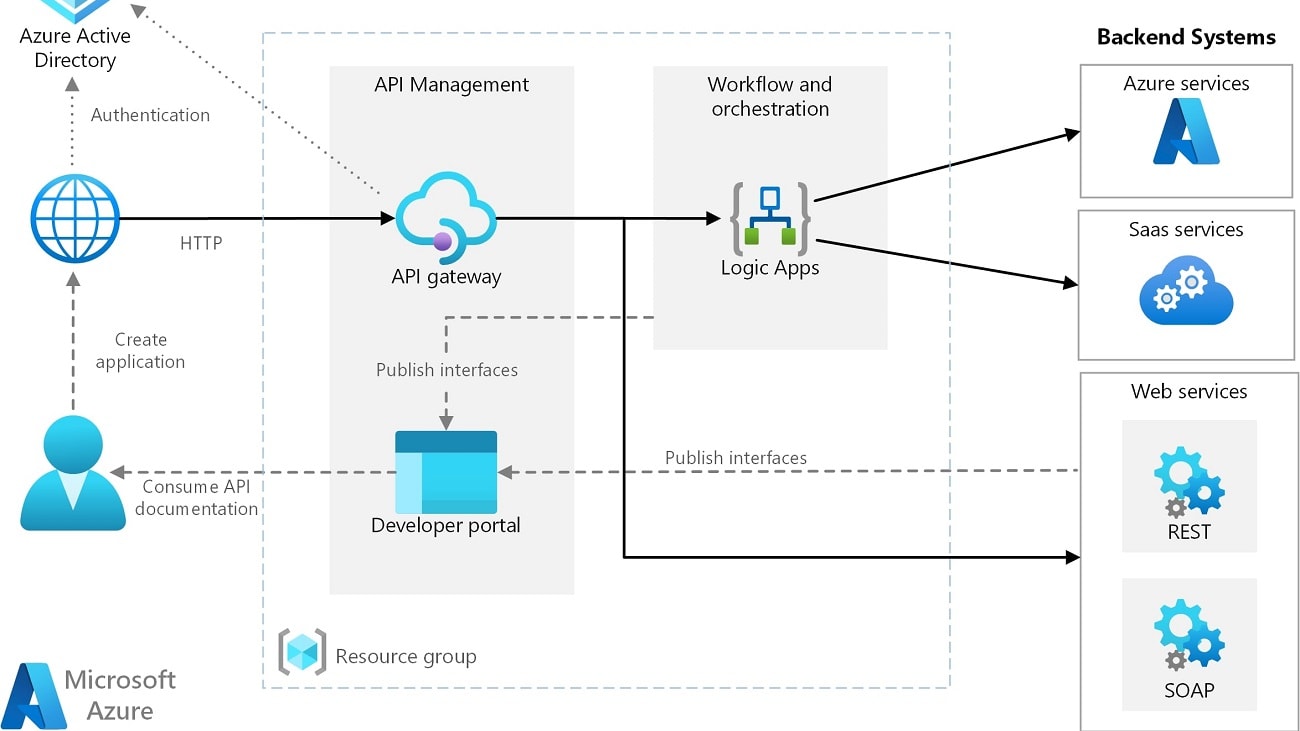
DigitalOcean's interface, meticulously designed with the user's perspective in mind, is clean and intuitive.
When it comes to ease-of-use, DigitalOcean stands out in this respect, outpacing Linode slightly. DigitalOcean's interface, meticulously crafted with the user's perspective at its core, is both clean and intuitive. Its one-click apps and the concept of "droplets" make setting up web applications or servers a breeze. For instance, deploying WordPress or a LAMP stack becomes a straightforward task with DigitalOcean. To support newcomers, they've furnished an extensive library of tutorials.
While Linode has diligently refined its platform's user-friendliness, some beginners might still find its landscape a tad more challenging to navigate.
DigitalOcean Offers Better Hosting and Storing than Linode
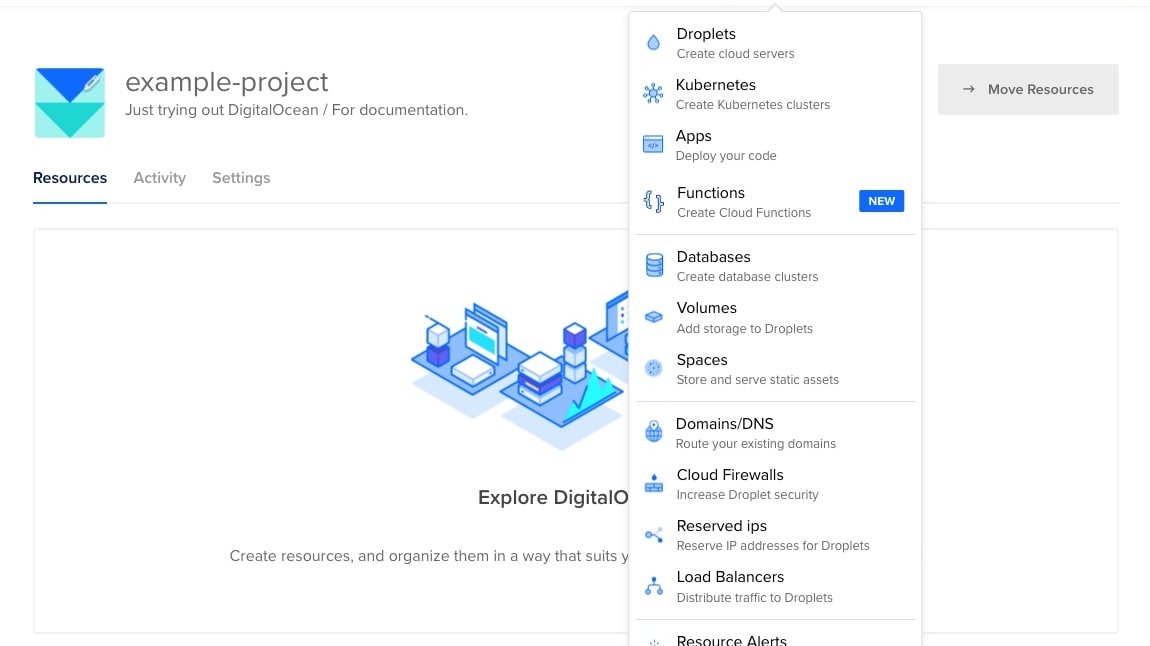
DigitalOcean's "Hosting and Storage" feature shines brightly due to its ease of use and outstanding security.
Cloud hosting services are fundamental to modern web infrastructure. Both DigitalOcean and Linode are at the forefront of this domain, but they have distinct focal points. DigitalOcean's "Hosting and storing" feature shines brilliantly due to its effortless usability and paramount security. With DigitalOcean, users experience a unified platform, enabling them to access, manage, and safeguard their data with commendable ease. Take, for instance, the Spaces feature, providing simple object storage with security measures.
Linode, on the other hand, centers its strengths around "Scalable virtual servers", emphasizing the versatility of server deployment. While this ensures adaptability in scaling, it doesn't inherently spotlight streamlined data management and fortified storage.
Linode Surpasses DigitalOcean in Advanced Networking
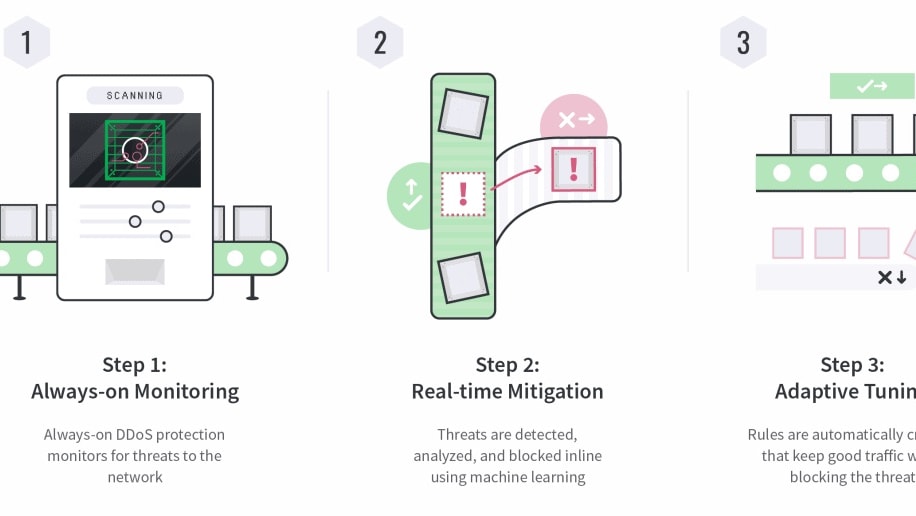
Linode's "Advanced networking" feature encompasses a comprehensive set of tools, including sophisticated elements such as virtual LAN capabilities.
In the vast landscape of cloud computing, networking remains pivotal. While DigitalOcean delivers noteworthy networking features, such as VPC and managed databases, Linode's "Advanced networking" emerges as a standout. This feature encompasses an all-encompassing toolset, which includes sophisticated elements like virtual LAN capabilities. For instance, users can segregate network traffic or securely link multiple data centers.
Furthermore, Linode's provision for the allocation of floating IPs ensures uninterrupted service during server failures. These intricate offerings not only ensure heightened control and adaptability but also lead to optimization of networked assets. It's evident, in the networking sphere, Linode holds a competitive edge over DigitalOcean.
DigitalOcean and Linode are Equally Robust for Kubernetes Management

Linode's "Managed Kubernetes" offers a zero-touch experience, ensuring infrastructure maintenance and upgrades
Kubernetes has become an indispensable tool for containerized application management, and leading cloud providers like DigitalOcean and Linode have thrown their hats into the ring with distinctive offerings. DigitalOcean's "Kubernetes" solution emphasizes a user-friendly interface and smooth integration with their other services, such as Droplet and Spaces.
Meanwhile, Linode's "Managed Kubernetes" brings forth a hands-off experience, ensuring infrastructure maintenance and updates are handled, allowing developers to focus solely on application development. Although both platforms are geared towards streamlining application orchestration, scaling, and deployment, the subtle differences in their approaches cater to varied developer preferences and operational requirements.
DigitalOcean's Object Storage Outshines Linode's Block and Object Storage

DigitalOcean addresses this with its "Object Storage" feature, which excels in its ability to effortlessly manage vast amounts of unstructured data, from images to logs to backups.
Storing vast volumes of data reliably and efficiently is a critical concern for many businesses today. DigitalOcean addresses this with its "Object Storage" feature, which stands out for its capacity to effortlessly manage vast amounts of unstructured data, from images to logs and backups. Moreover, its integration capability with other cloud services, be it compute or database services, ensures that scalability and performance remain at the forefront.
Linode, on the other hand, offers "Block and object storage," which while robust, does not elaborate on synergies with other cloud services as DigitalOcean does. For businesses looking for seamless integrations and efficient data management, DigitalOcean's offering may hold a slight edge.
Linode Takes the Lead with One-Click Apps over DigitalOcean’s Dev Tools

Linode's "One-click apps" stands out in this context, offering an intuitive platform that facilitates quick project initiation.
In today's fast-paced development environment, streamlined setups can be a game-changer. Linode's "One-click apps" stands out in this context, offering an intuitive platform that facilitates quick project initiation. Imagine deploying WordPress, Drupal, or even a full-stack application without the usual setup hurdles - Linode makes this feasible. However, when contrasting this with DigitalOcean's "Tools for devs," the focus shifts.
While DigitalOcean emphasizes a comprehensive resource management toolkit, offering capabilities like monitoring, scaling, and database handling, it doesn't necessarily match Linode's rapid deployment advantage. Essentially, while both platforms cater to developers, Linode takes the crown for swift application launches.
DigitalOcean’s Integration Capabilities Triumph Over Linode

DigitalOcean's support for Kubernetes and partnerships with pivotal platforms like GitHub, GitLab, and Slack facilitates smoother workflow integration for development teams.
Integration is the bridge that ties various software tools together, and when looking at cloud service providers, both DigitalOcean and Linode offer commendable features. They both provide API access, enabling developers to create seamless connections with other applications. However, DigitalOcean seems to have a slight advantage. Its support for Kubernetes and partnerships with pivotal platforms like GitHub, GitLab, and Slack facilitates smoother workflow integration for development teams.
Conversely, Linode, despite having a strong API foundation, doesn't boast the same breadth in third-party alliances. However, Linode's unique offering, StackScripts, presents an inventive solution, allowing users to script and tailor deployments with precision.
08 DigitalOcean vs Linode: Which is the best for your business?
DigitalOcean is the best tool for you if:
- You're seeking an intuitive platform that simplifies cloud computing with user-friendly interfaces and one-click installations.
- You value a rich library of community-driven tutorials, guiding even novices through complex cloud-based tasks and deployments.
- Your team prioritizes seamless integrations, as DigitalOcean boasts partnerships with popular platforms like GitHub and Slack.
- You're aiming for transparent pricing models, with predictable monthly costs and no hidden fees, ensuring budget management ease.
- You desire robust Kubernetes support for containerized applications, emphasizing automated orchestration, deployment, and scaling.
 You're seeking an intuitive platform that simplifies cloud computing with user-friendly interfaces and one-click installations.
Linode is the best tool for you if:
- You prioritize advanced networking features, including virtual LAN capabilities and the allocation of flexible floating IPs for optimized configurations.
- Rapid deployment matters, with their "One-click apps" feature offering a vast library of applications for instantaneous project setup.
- You appreciate hands-on customer support, as Linode is renowned for its responsive and knowledgeable 24/7 customer service.
- You're looking for a customizable platform, as Linode's StackScripts allow tailored scripting and deployment adjustments to suit specific needs.
- Budget transparency is crucial, with Linode offering straightforward pricing and regular promotional credits for both new and existing users.
DigitalOcean
Premium
Take AI agents from development to production
$100 in credits
Save up to $100
09 Alternatives to DigitalOcean & Linode

Google Cloud (GCP)
Used by 12,042 members
$2,000 in credits for 1 year if you never raised funds // $350,000 in credits for 2 years if you did
Save up to $350,000

AWS Activate
Used by 6,291 members
Up to $100,000 in credits or 20-50% off your monthly spend through an AWS partner (must be spending $100+/month)
Save up to $300,000

Microsoft Azure
Used by 2,884 members
$5,000 in credits for 6 months if you didn't raise funds // Up to $150,000 in credits for 2 years if you did
Save up to $150,000

Hostinger
Used by 1,953 members
Additional 10% off on all 12/24/48-monthly plan purchases
Save up to $144
10 Promotions on Cloud Storage software
DigitalOcean and Linode are great tools, but Secret offers promo codes with discounts on over 2250+ different SaaS solutions. New deals are added regularly, helping you save money on your online subscriptions. Get access to codes for other Cloud Storage software you might want to purchase
Credits for AWS Activate
Up to $100,000 in credits or 20-50% off your monthly spend through an AWS partner (must be spending $100+/month)

Cloudflare promo code
$10,000 in credits for self-funded startups // $350,000 in credits funded startups
Discount for Google Cloud (GCP)
$2,000 in credits for 1 year if you never raised funds // $350,000 in credits for 2 years if you did

Galaxy (ex. Meteor Cloud) promotion
$600 in credits for 1 year

Discount for OVHcloud
€10,000 in credits for 1 year

Promo code Amazon EC2
Up to $100,000 in credits or 20-50% off your monthly spend through an AWS partner (must be spending $100+/month)
Promo codes for Hostinger
Additional 10% off on all 12/24/48-monthly plan purchases

Promo code for Mux
$500 credits on Mux

Cloudways deal
30% off for 3 months

CloudTalk promo
50% off the first month
Start saving on the best SaaS
Secret has already helped tens of thousands of startups save millions on the best SaaS like Microsoft Teams, Google Workspace & many more. Join Secret now to buy software the smart way.