


If your business relies on cloud data warehousing, you need a robust platform to manage and analyze your data efficiently. With several options available, selecting the right solution can be a challenging task.
To assist you in making an informed decision, we'll be comparing two prominent choices—Snowflake and AWS (Amazon Web Services). Snowflake has gained recognition for its specialized cloud data warehousing capabilities, while AWS, a cloud computing giant, offers its own data warehousing solutions like Amazon Redshift. In this comparison, we'll delve into their features, pricing structures, advantages, and disadvantages to help you evaluate the most suitable option for your business's data management and analytics requirements.
- 01 Snowflake vs AWS Activate: overview
- 02 What's the difference between Snowflake and AWS Activate?
- 03 Snowflake pros and cons
- 04 AWS Activate pros and cons
- 05 Snowflake compared to AWS Activate
- 06 AWS Activate compared to Snowflake
- 07 Features comparison
- 08 Snowflake vs AWS Activate: Which is the best for your business?
- 09 Alternatives to Snowflake & AWS Activate
- 10 Promotions on Cloud Storage software
Start saving on the best SaaS
Secret has already helped tens of thousands of startups save millions on the best SaaS like Microsoft Teams, Google Workspace & many more. Join Secret now to buy software the smart way.

01 Snowflake vs AWS Activate: overview
Snowflake and AWS (Amazon Web Services) are two dominant players in the realm of cloud data warehousing and analytics, each with its own distinct strengths tailored to address specific business data needs.
Snowflake is renowned for its robust feature set in the domain of cloud data warehousing. It provides a comprehensive data warehousing platform encompassing data storage, processing, and analytics capabilities, all within a scalable and flexible cloud environment. In contrast, AWS offers a wide array of cloud computing services, including its data warehousing solution, Amazon Redshift.
To help you make an informed decision when selecting the right cloud data warehousing solution for your organization, we will explore the Snowflake vs. AWS comparison, examining their features, performance, scalability, pricing, and other key factors that can influence your choice.

Performance & scalability
Snowflake's architecture allows for near-instantaneous scaling without downtime. AWS's global infrastructure and auto-scaling capabilities ensure performance can meet demand at any scale.

Snowflake
AWS Activate
Integrations
Snowflake integrates seamlessly with popular BI tools. AWS boasts a vast array of integrations with its extensive service offerings, including IoT, AI, and machine learning services.
Snowflake
AWS Activate
Customer Reviews
Both services are praised for their performance and scalability. Snowflake is lauded for its ease of use, while AWS is recognized for its comprehensive suite of services.
Snowflake
AWS Activate
Customer Support
Snowflake provides dedicated support and a robust community. AWS excels with its extensive documentation, active community, and premium support options.
Snowflake
AWS Activate
Data management & analytics
Snowflake's environment is specifically tailored for data warehousing and analytics, offering features like data sharing. AWS, while powerful, requires more setup and management for similar tasks.
Snowflake
AWS Activate
Ease of Use
Snowflake's interface is considered more user-friendly for data warehousing tasks, whereas AWS offers a wide range of services that can require a steeper learning curve.
Snowflake
AWS Activate
Compliance & certifications
Snowflake meets key industry standards, but AWS's compliance certifications are more extensive, covering more regions and specific industry requirements.
Snowflake
AWS Activate
Pricing Plan
Snowflake offers transparent usage-based pricing, which can be cost-effective for on-demand analytics. AWS has more flexible pricing options across its various services, which might be more appealing for a broader range of use cases.
Snowflake
AWS Activate
Security features
Both platforms offer robust security features, including at-rest and in-transit encryption, but AWS provides a more comprehensive set of compliance certifications which can be critical for certain industries.
Snowflake
AWS Activate
Data storage options
Snowflake specializes in columnar storage which is optimized for analytics. AWS provides a broader range of storage solutions, like S3 for object storage and EBS for block storage, catering to diverse needs.
Snowflake
AWS Activate
02 What's the difference between Snowflake and AWS Activate?

Snowflake's architecture is designed with a multi-cluster, multi-cloud approach, offering unique features such as data sharing and a separation of storage and compute resources.
Snowflake
One cloud platform for analytics, AI, and applications

AWS caters to businesses seeking not only data warehousing but also compute, storage, machine learning, IoT, and various other cloud services.
AWS Activate
Efficiently develop, deploy and maintain high-performance and scalable applications.
Snowflake and AWS (Amazon Web Services) are both formidable players in the world of cloud data warehousing and analytics. While they share common ground in providing data solutions, they have distinct differences that make them suitable for various business needs.
One fundamental difference lies in their offerings. Snowflake is renowned for its specialization in cloud data warehousing. It provides a comprehensive platform solely focused on data storage, processing, and analytics. Snowflake's architecture is designed with a multi-cluster, multi-cloud approach, offering unique features such as data sharing and a separation of storage and compute resources.
On the other hand, AWS is a comprehensive cloud computing provider that encompasses a vast array of services beyond data warehousing. Amazon Redshift, AWS's data warehousing solution, is just one piece of its extensive cloud ecosystem. AWS caters to businesses seeking not only data warehousing but also compute, storage, machine learning, IoT, and various other cloud services. This versatility allows users to build and scale applications using a broad range of cloud resources.
Another crucial distinction is pricing. Snowflake offers a pricing model based on data storage and compute usage, allowing for more granular control over costs. AWS, on the other hand, offers a complex pricing structure with various pricing models for Amazon Redshift, including on-demand pricing, reserved instances, and concurrency scaling.
Scalability is yet another differentiator. Snowflake excels in automatic scaling, enabling users to handle variable workloads seamlessly without manual intervention. AWS provides scalability through Amazon Redshift's concurrency scaling feature but requires more hands-on management.

Snowflake
Used by 275 members
$1,250 in credits
Save up to $1,250

AWS Activate
Used by 6248 members
Up to $100,000 in credits or 20-50% off your monthly spend through an AWS partner (must be spending $100+/month)
Save up to $300,000
03 Snowflake pros and cons
What are the advantages of Snowflake?
- Scalability: Snowflake offers automatic and near-infinite scalability. It can handle large volumes of data and complex queries with ease, making it suitable for businesses of all sizes.

- Data sharing: Snowflake's unique data-sharing feature allows organizations to securely share data with external parties, such as partners or customers, without the need for complex data exports or transfers.
- Separation of storage and compute: Snowflake separates data storage from compute resources. This architecture enables organizations to scale compute independently, optimizing cost and performance.
- Zero maintenance: Snowflake manages the infrastructure and handles routine maintenance tasks, reducing the burden on IT teams and allowing them to focus on data analytics and insights.
- Data integration: Snowflake offers robust data integration capabilities, allowing users to easily connect and integrate data from various sources, including cloud-based and on-premises systems.
What are the disadvantages of Snowflake?
- Cost: Snowflake's pricing can be on the higher side, especially for organizations with extensive data usage. Costs can add up quickly, particularly if data storage and query usage are not optimized.

- Learning curve: While Snowflake is user-friendly, transitioning from traditional data warehousing systems may require some learning for IT teams and analysts.
- Dependency on the cloud: Snowflake operates exclusively in the cloud, which may not be suitable for organizations with strict on-premises data requirements or regulations.
- Data movement: Data may need to be migrated to Snowflake's cloud environment, which can be time-consuming and involve data transfer costs, especially for businesses with large datasets.
- Limited offline access: Snowflake primarily operates online, which means that users may face challenges if they need to access data or perform tasks offline in situations with limited or no internet connectivity.
Compare Snowflake to other tools


Confluent vs Snowflake

Databricks vs Snowflake

Snowflake vs Microsoft Azure
04 AWS Activate pros and cons
What are the advantages of AWS Activate?
- Vast service portfolio: AWS offers a comprehensive range of cloud services, including computing, storage, databases, analytics, machine learning, IoT, and more. This diversity allows businesses to build and scale applications with ease.
- Scalability: AWS provides on-demand scalability, allowing organizations to adjust resources up or down as needed to handle varying workloads efficiently.
- Global reach: AWS has data centers in multiple regions around the world, enabling businesses to deploy applications and data closer to their target audience for reduced latency and improved performance.
- Security and compliance: AWS places a strong emphasis on security and compliance. It provides robust security features and compliance certifications, making it suitable for organizations with strict regulatory requirements.
- Ecosystem and community: AWS has a vast ecosystem of partners, third-party tools, and a large community of users. This ecosystem offers extensive support, resources, and integration options for businesses.
What are the disadvantages of AWS Activate?
- Complex pricing: AWS's pricing can be complex, with various pricing models, add-ons, and potential hidden costs. Managing costs effectively can be challenging, particularly for organizations with dynamic workloads.
- Learning curve: While AWS offers extensive documentation and training, learning to navigate and configure its services effectively can be time-consuming, especially for those new to cloud computing.
- Vendor lock-in: As an organization becomes more reliant on AWS services, it can become challenging to migrate away from the platform, leading to potential vendor lock-in.
- Support costs: While AWS provides several support tiers, premium support can be costly for businesses requiring high levels of technical assistance.
- Downtime and outages: Although AWS aims for high availability, occasional service outages have occurred in the past, affecting businesses' operations and potentially causing disruptions.
Compare AWS Activate to other tools


Cloudflare vs AWS Activate

Google Cloud (GCP) vs AWS Activate
Microsoft Azure vs AWS Activate

DigitalOcean vs AWS Activate

Scaleway vs AWS Activate

Vercel vs AWS Activate
05 Snowflake compared to AWS Activate
Snowflake and AWS represent two distinct approaches to data management and analytics in the cloud. Snowflake is a specialized cloud-native data warehousing platform known for its ease of use, automatic scaling, and data-sharing capabilities.
In contrast, AWS (Amazon Web Services) offers a comprehensive cloud ecosystem with a broad range of services, including data warehousing through Amazon Redshift. While Snowflake excels in data-focused simplicity and scalability, AWS caters to diverse cloud computing needs beyond data warehousing. The choice between them depends on specific business requirements, with Snowflake offering specialized data warehousing and AWS providing a broader cloud infrastructure.
Is Snowflake better than AWS Activate?
 Is Snowflake better than AWS Activate?
Determining whether Snowflake is superior to AWS hinges on the user's specific needs. Snowflake's strong suit lies in its focus on data warehousing, making it a go-to for businesses seeking a dedicated solution for data storage, processing, and analytics. Its automatic scalability and ease of data sharing make it ideal for those prioritizing data management.
On the other hand, AWS shines as a versatile cloud platform, offering a wide range of services including but not limited to data warehousing. Its strength lies in its ability to cater to a variety of cloud computing requirements. Therefore, businesses with a broader need for cloud services might find AWS more aligned with their objectives. The choice essentially boils down to the specific requirement for specialized data warehousing versus a comprehensive cloud solution.
What is Snowflake best used for?
Snowflake is best used as a cloud data warehousing platform for organizations seeking a modern and scalable solution to store, manage, and analyze large volumes of data. It excels in data analytics, data sharing, and performance optimization.
Snowflake is well-suited for businesses that require real-time data insights, support for semi-structured and structured data, and seamless integration with various data sources. It is particularly valuable for industries like retail, e-commerce, finance, healthcare, and marketing, where data-driven decision-making and efficient data management are paramount. Snowflake's flexibility and ease of use make it an ideal choice for organizations looking to leverage cloud-native data solutions.
Can Snowflake replace AWS Activate?
Snowflake and AWS serve different primary purposes, so it's not a matter of one replacing the other. Snowflake specializes in cloud data warehousing and analytics, offering scalable and efficient data management. On the other hand, AWS (Amazon Web Services) is a comprehensive cloud computing platform with a wide range of services beyond data warehousing, including computing, storage, machine learning, and more.
While Snowflake can complement AWS by providing a specialized data warehousing solution, it doesn't replace AWS entirely. Organizations often use both services together to build robust, end-to-end cloud solutions that meet their diverse computing and data management needs.
Is Snowflake cheaper than AWS Activate?
Determining whether Snowflake is cheaper than AWS depends on several factors, including usage patterns and requirements. Snowflake’s pricing structure offers simplified pricing based on data storage and compute usage, providing more cost predictability. AWS, however, offers a broader range of services, which can make cost estimation more complex.
While Snowflake can be cost-effective for specialized data warehousing needs, AWS may offer flexibility and cost advantages for organizations leveraging multiple cloud services. Ultimately, cost comparisons should consider specific use cases, data volumes, and resource optimization strategies to determine which platform aligns better with an organization's budget and requirements.
Is there a better Cloud Storage software than Snowflake?
While Snowflake offers robust data warehousing capabilities, it's essential to explore other cloud data warehousing solutions that might better suit your specific needs.
Several noteworthy alternatives to Snowflake in the realm of cloud data warehousing include Amazon Redshift, Google BigQuery, Microsoft Azure, IBM Cloud, Synapse Analytics, and Snowflake's own competitors like Google Snowflake and AWS Snowflake.
The choice between these platforms depends on factors such as your organization's data volume, budget, integration requirements, and scalability needs. However, if you prioritize a data warehouse known for its scalability, ease of use, and data-sharing capabilities, Snowflake may be the ideal choice for your cloud data management needs.

Snowflake
Premium
One cloud platform for analytics, AI, and applications
$1,250 in credits
Save up to $1,250
06 AWS Activate compared to Snowflake
AWS (Amazon Web Services) and Snowflake are both prominent players in the cloud computing and data management arena. AWS offers a comprehensive cloud platform with a wide array of services, including Amazon Redshift for data warehousing.
In contrast, Snowflake is a specialized cloud data warehousing platform known for its ease of use, scalability, and data-sharing capabilities. AWS caters to diverse cloud computing needs, while Snowflake focuses on efficient data warehousing and analytics. The choice between them depends on an organization's specific requirements, with AWS providing a broader cloud ecosystem and Snowflake excelling in streamlined data warehousing and analytics.
Is AWS Activate better than Snowflake?
The superiority of AWS over Snowflake largely rests on the scope and diversity of cloud computing needs of an organization. AWS's advantage lies in its extensive array of cloud services, making it a one-stop solution for businesses that require more than just data warehousing. Its versatility and breadth in cloud computing, encompassing storage, computing power, machine learning, and more, make it ideal for companies seeking an integrated cloud infrastructure.
While Snowflake specializes in data warehousing, AWS offers a holistic approach to cloud computing, appealing to a broader range of business needs. Therefore, organizations seeking a comprehensive cloud platform with a multitude of services might find AWS more beneficial, depending on their diverse cloud requirements.
What is AWS Activate best used for?
Amazon Web Services (AWS) is best used for a wide range of cloud computing needs. It's particularly valuable for organizations seeking flexible and scalable cloud infrastructure, offering services for computing, storage, databases, machine learning, IoT, and more.
AWS is ideal for businesses looking to build, deploy, and manage applications efficiently in a cost-effective manner. It's commonly used for web hosting, content delivery, data storage and analytics, artificial intelligence, and DevOps, among many other applications. AWS's global reach, security features, and extensive ecosystem make it a top choice for businesses looking to harness the power of cloud computing for various purposes.
Can AWS Activate replace Snowflake?
AWS (Amazon Web Services) and Snowflake serve distinct purposes, and the question of whether AWS can replace Snowflake depends on specific data warehousing and analytics needs. While AWS offers data warehousing solutions like Amazon Redshift, Snowflake specializes in cloud data warehousing, excelling in simplicity, scalability, and data sharing.
AWS is a comprehensive cloud computing platform with a broader array of services. Organizations often use Snowflake alongside AWS for specialized data warehousing, but AWS doesn't fully replace Snowflake's unique capabilities. The choice depends on the complexity of data management, integration requirements, and preference for specialized data warehousing features.
Is AWS Activate cheaper than Snowflake?
Determining whether AWS (Amazon Web Services) is cheaper than Snowflake depends on several factors. AWS’ pricing structure is complex, offering a wide range of services with varying costs. Snowflake, on the other hand, provides simplified pricing based on data storage and compute usage, which can offer cost predictability.
The cost-effectiveness of each platform relies on specific usage patterns, data volume, and optimization strategies. Snowflake may be cost-effective for focused data warehousing needs, while AWS could be advantageous for organizations utilizing multiple cloud services. The decision should consider individual use cases, budget constraints, and the ability to optimize resource utilization effectively.
Is there a better Cloud Computing software than AWS Activate?
While AWS (Amazon Web Services) offers a wide array of cloud computing services, it's prudent to explore other potential alternatives that may better align with your specific requirements, such as scalability, integration capabilities, and feature sets.
Several notable alternatives to AWS in the cloud computing arena include Microsoft Azure, Google Cloud Platform (GCP), IBM Cloud, and Oracle Cloud. These platforms offer distinct features, pricing structures, and services that cater to various business needs.
The selection among these options hinges on your organization's unique demands, preferences, and goals. However, if you prioritize a comprehensive cloud computing provider with a vast ecosystem, robust security, and a wide range of services, AWS may well be the ideal choice for your cloud infrastructure needs.

AWS Activate
Amazon's cloud services platform
Up to $100,000 in credits or 20-50% off your monthly spend through an AWS partner (must be spending $100+/month)
Save up to $300,000
07 Features comparison
Both Snowflake and AWS Deliver Robust, Secure Data Storage Solutions with Unique Strengths

Snowflake, known for its cutting-edge security features, employs advanced encryption, access controls, and multi-factor authentication to safeguard data.
Both Snowflake and AWS offer secure and scalable data storage solutions. These platforms equip businesses with agile solutions for data management, seamless migration, convenient access, in-depth analysis, and robust backup mechanisms.
Snowflake, known for its cutting-edge security features, employs advanced encryption, access controls, and multi-factor authentication to safeguard data. For example, Snowflake's "Time Travel" feature enables users to recover data from specific points in time, adding an extra layer of data protection.
AWS, on the other hand, offers a flexible infrastructure and a wide range of storage options, such as Amazon S3 for object storage and Amazon EBS for block storage. AWS emphasizes data durability, with services designed to replicate data across multiple Availability Zones, ensuring high availability and disaster recovery.
AWS Leads with Unmatched Integration Capabilities Compared to Snowflake

AWS seamlessly integrates with an extensive range of third-party applications, databases, and various cloud services, creating a highly versatile environment for data management and operations.
Analyzing the integration potentials, AWS emerges as the frontrunner, thanks to its expansive array of integration possibilities. AWS seamlessly integrates with an extensive range of third-party applications, databases, and various cloud services, creating a highly versatile environment for data management and operations. Its ecosystem benefits from a vast developer community, continuously expanding the pool of integratable services and tools.
On the other hand, Snowflake offers robust integration options, but its scope is comparatively narrower when placed alongside AWS. While Snowflake effectively integrates with most data tools, AWS's sheer volume of integration possibilities affords it unmatched flexibility. Whether it's connecting with popular marketing platforms, CRM systems, or IoT devices, AWS's rich integration ecosystem makes it the superior choice in this comparison.
Snowflake Offers Enhanced Partnership Support for Startups

For example, Snowflake's data sharing and analytics expertise can assist startups in leveraging their data effectively for business growth.
While both AWS and Snowflake cater to startups, Snowflake distinguishes itself by offering superior partnership support aimed at product development success. Snowflake's team of seasoned engineers stands ready to deliver high-quality support and valuable guidance throughout the product design journey. This hands-on approach enables startups to make informed decisions and build products that thrive in the medium and long term.
For example, Snowflake's data sharing and analytics expertise can assist startups in leveraging their data effectively for business growth. In contrast, while AWS provides extensive resources, Snowflake's specialized focus on data warehousing and analytics, coupled with dedicated support, positions it as an ideal choice for startups seeking tailored guidance and partnership support.
Snowflake Outshines AWS in User-Friendliness and Ease-of-Use for Data Warehousing

Snowflake's platform prioritizes simplicity, facilitating effortless navigation of its functions and features.
When it comes to ease-of-use, Snowflake and AWS exhibit distinct characteristics. Snowflake gains a slight advantage with its user-friendly interface and straightforward approach to data warehousing. Snowflake's platform prioritizes simplicity, facilitating effortless navigation of its functions and features. Its SQL-based approach reduces the need for intricate scripting, streamlining data queries and analytics tasks.
In contrast, AWS, while exceptionally robust and functional, presents a multitude of tools and services that can overwhelm beginners. The extensive AWS ecosystem may require a steeper learning curve for those unfamiliar with its intricacies. Consequently, Snowflake stands out as the more intuitive and beginner-friendly choice in this comparison.
AWS Provides More Accessible Developer Tools than Snowflake
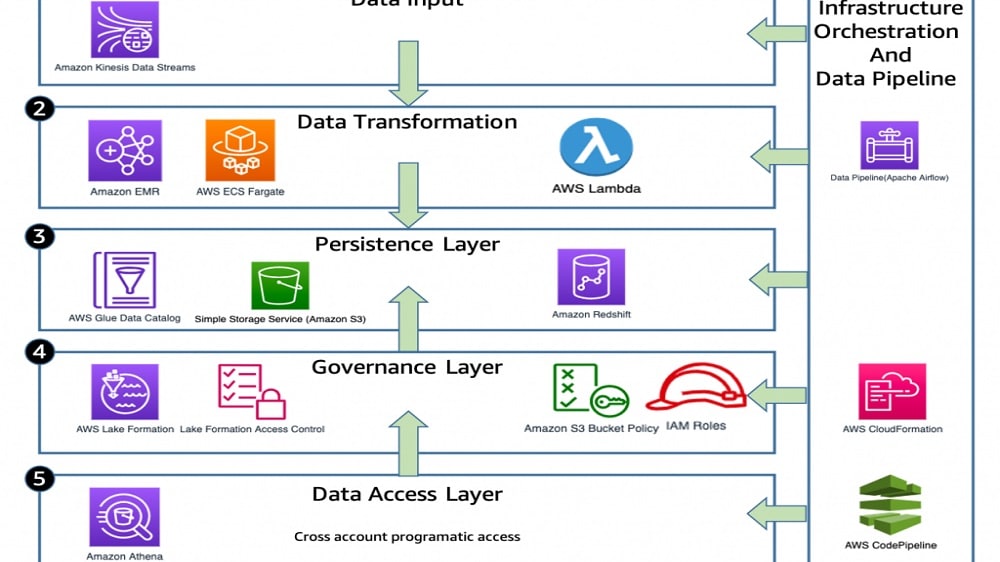
For instance, AWS offers AWS Amplify, a development platform that simplifies the creation of full-stack web and mobile apps.
AWS Activate stands out as a comprehensive platform for startups. It provides access to a wide array of developer resources, including software development kits (SDKs) and application programming interfaces (APIs). These tools empower startups to build intricate applications seamlessly and efficiently. For instance, AWS offers AWS Amplify, a development platform that simplifies the creation of full-stack web and mobile apps.
While Snowflake excels in supporting data integration across various sources, cloud platforms, and analytical tools, its primary focus is on data warehousing and analytics. AWS, with its extensive suite of developer tools and resources, caters directly to developers, making it the preferred choice for startups seeking robust developer support and integration capabilities.
Snowflake Surpasses AWS in User-Friendly AI and Data Management Capabilities
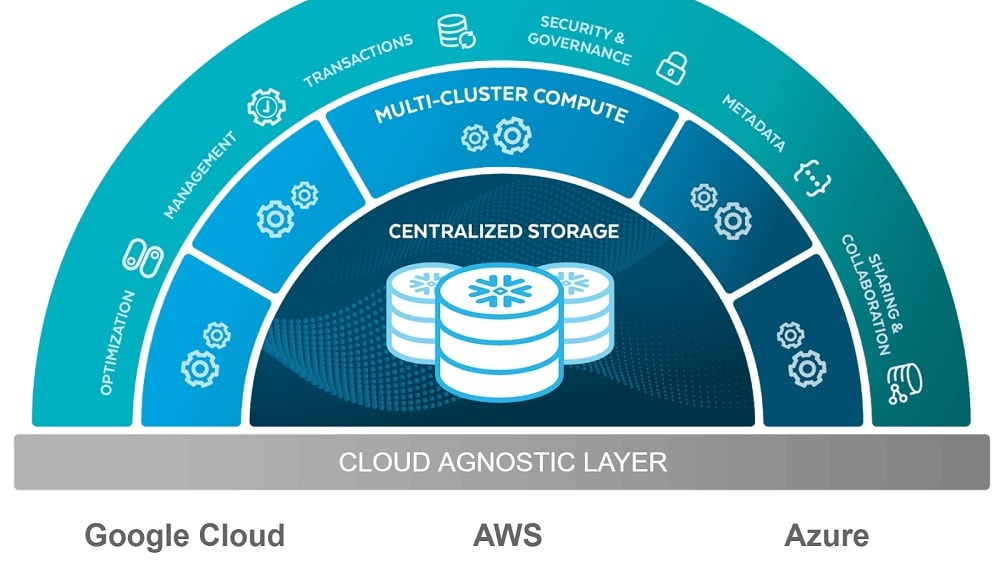
Snowflake's advanced AI features empower organizations to optimize workflows, automatically classify data, and extract valuable insights at an accelerated pace.
While both Snowflake and AWS provide high-quality data management solutions and machine learning capabilities, Snowflake takes the upper hand when it comes to the use of AI. Snowflake's advanced AI features empower organizations to optimize workflows, automatically classify data, and extract valuable insights at an accelerated pace. For instance, Snowflake's AI-driven data classification helps identify sensitive information for compliance purposes, enhancing data security.
While AWS boasts robust machine learning capabilities, Snowflake's emphasis on user-friendly AI tools simplifies the process of harnessing AI for data-driven decision-making. With Snowflake's AI-driven analytics, organizations can unlock the full potential of their data, making it a superior choice for those seeking a seamless integration of AI into their data management processes.
AWS Dominates in Mobile Services Over Snowflake with Comprehensive App Development Tools
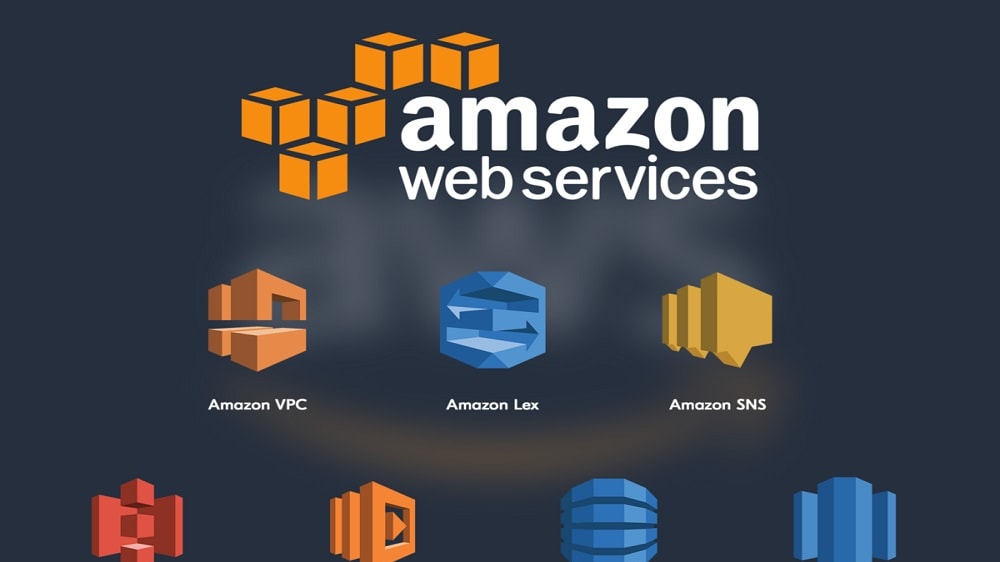
For instance, AWS Mobile Hub streamlines the process of building and scaling mobile apps, simplifying the development lifecycle.
When it comes to mobile services, AWS undeniably surpasses Snowflake, offering a comprehensive suite of tools under AWS Activate. These powerful mobile services include robust app development tools, efficient push notifications, and advanced analytics. For instance, AWS Mobile Hub streamlines the process of building and scaling mobile apps, simplifying the development lifecycle.
On the contrary, mobile services are not a core strength of Snowflake, as its primary focus lies in cloud data warehousing and analytics. Snowflake's expertise lies in efficiently managing and analyzing data in the cloud rather than providing mobile app development and support services.
08 Snowflake vs AWS Activate: Which is the best for your business?
Snowflake is the best tool for you if:
- Your primary focus is on data warehousing and analytics, and you require a platform that excels in these areas with superior ease of use and scalability.
- You need a cloud-native solution that offers seamless data sharing capabilities across various platforms, ensuring efficient collaboration and data exchange.
- Automatic scalability is crucial for your business, requiring a system that effortlessly adjusts to varying data workloads without manual intervention.
- Your organization prioritizes a simplified user experience in data management, benefiting from Snowflake's intuitive interface and minimal maintenance requirements.
- You seek a specialized tool for advanced analytics and secure data storage, where Snowflake's dedicated features outperform more generalized cloud service platforms.
 Your primary focus is on data warehousing and analytics, and you require a platform that excels in these areas with superior ease of use and scalability.
AWS Activate is the best tool for you if:
- You require a broad range of cloud services beyond data warehousing, including computing power, storage, machine learning, and more, in a single integrated platform.
- Flexibility and customization are key for your business needs, and you value the ability to tailor services and infrastructure to specific requirements.
- Your organization has a diverse set of cloud computing needs, necessitating a platform that offers solutions across various domains like IoT, AI, and application development.
- You prefer a well-established cloud service provider with a global network of data centers, ensuring high availability and reliability for your cloud computing needs.
- Scalability across a wide spectrum of services is crucial for your business, and you seek a cloud provider that can scale resources efficiently and cost-effectively.
Snowflake
Used by 275 members
$1,250 in credits
Save up to $1,250
AWS Activate
Used by 6248 members
Up to $100,000 in credits or 20-50% off your monthly spend through an AWS partner (must be spending $100+/month)
Save up to $300,000
09 Alternatives to Snowflake & AWS Activate

Google Cloud (GCP)
Used by 11902 members
$2,000 in credits for 1 year if you never raised funds // $350,000 in credits for 2 years if you did
Save up to $350,000

DigitalOcean
Used by 7570 members

mongoDB
Used by 905 members
$500 in credits for 1 year
Save up to $500

Microsoft for Startups
Used by 698 members
$5,000 credit for 6 months
Save up to $5,000
10 Promotions on Cloud Storage software
Snowflake and AWS Activate are great tools, but Secret offers promo codes with discounts on over 2240+ different SaaS solutions. New deals are added regularly, helping you save money on your online subscriptions. Get access to codes for other Cloud Storage software you might want to purchase
Google Cloud (GCP) free credits
$2,000 in credits for 1 year if you never raised funds // $350,000 in credits for 2 years if you did

Credits for Cloudflare
$10,000 in credits for self-funded startups // $350,000 in credits funded startups

OVHcloud free credits
€10,000 in credits for 1 year

Galaxy (ex. Meteor Cloud) discount
$600 in credits for 1 year

Hostinger promotion
Additional 10% off on all 12/24/48-monthly plan purchases

Code for Amazon EC2
Up to $100,000 in credits or 20-50% off your monthly spend through an AWS partner (must be spending $100+/month)

Cloudways offer
30% off for 3 months

Mux coupon code 2026
$500 credits on Mux

GoDaddy discount code
1st year .com domain purchase for $11.99

Deal for CloudTalk
50% off the first month
Start saving on the best SaaS
Secret has already helped tens of thousands of startups save millions on the best SaaS like Microsoft Teams, Google Workspace & many more. Join Secret now to buy software the smart way.